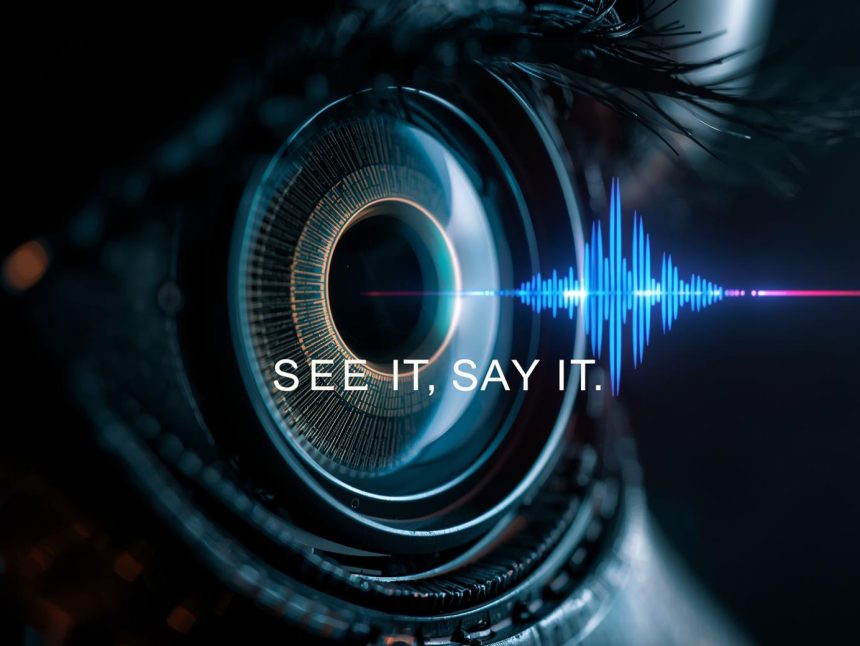
The way people search for information has changed forever. In 2025, voice assistants like Siri, Alexa, and Google Assistant, combined with visual search tools such as Google Lens, TikTok image search, and Pinterest Lens, are reshaping how consumers discover products and services.
- Why Voice and Visual Search Matter in 2025
- What Is Voice Search Optimization?
- What Is Visual Search Optimization?
- Benefits of Voice and Visual Search for Brands
- Data Supporting the Shift
- Real-World Examples
- Challenges in Voice and Visual Search Optimization
- How Businesses Can Optimize in 2025
- SEO & GEO Implications
- The Future of Voice and Visual Search
- References
Instead of typing text queries, users are now asking questions out loud or pointing their cameras at objects. This shift means businesses must optimize for discovery in new ways: voice search optimization (VSO) and visual search optimization (ViSO).
“The future of search is not about typing — it’s about speaking and seeing. Brands that adapt to voice and visual discovery will lead the next era of digital marketing.” — Mr. Phalla Plang, Digital Marketing Specialist
Why Voice and Visual Search Matter in 2025
Voice Search
Smart speakers and mobile assistants have made voice queries mainstream. Statista estimates that over 8.4 billion voice-enabled devices are in use globally in 2025 (Statista, 2024). Consumers use them for everything from checking the weather to ordering groceries.
Visual Search
Visual search is equally transformative. Google reported that Google Lens processes 12 billion searches per month (Google, 2024). Pinterest has highlighted that 10% of its searches are now visual-first (Pinterest, 2023).
Together, voice and visual search are ushering in a multimodal search era, where typing is no longer the default.
What Is Voice Search Optimization?
Voice Search Optimization (VSO) is the process of structuring content so that it appears as answers to spoken queries. Unlike typed searches, voice queries are more:
- Conversational (“What’s the best Italian restaurant near me?”)
- Question-driven (who, what, where, how)
- Local-focused (restaurants, shops, directions)
Optimizing for voice means writing in natural language, targeting long-tail keywords, and structuring content for answer engines.
Key tactics for VSO:
- Use conversational keywords.
- Create FAQ-style content.
- Optimize for featured snippets and answer boxes.
- Strengthen local SEO signals via Google Business Profile.
- Implement structured data (schema markup).
What Is Visual Search Optimization?
Visual Search Optimization (ViSO) ensures that product and brand images are discoverable by AI-powered search tools. Instead of typing queries, consumers search with photos, screenshots, or camera scans.
For example, a shopper might take a photo of sneakers and use Google Lens to find cheaper alternatives online.
Key tactics for ViSO:
- Use high-resolution, descriptive product images.
- Add descriptive alt text and filenames.
- Implement image schema markup.
- Optimize e-commerce product feeds for Google Merchant Center.
- Maintain consistent branding in imagery.
Benefits of Voice and Visual Search for Brands
- Improved discoverability: Meet customers where they search most.
- Stronger local presence: Voice search drives foot traffic for local businesses.
- Faster conversions: Visual search supports instant product identification and purchase.
- Competitive advantage: Few businesses fully optimize for these channels yet.
- Enhanced customer experience: Creates seamless, intuitive search journeys.
Data Supporting the Shift
- By 2025, 50% of all searches are voice or visual, according to Gartner (2024).
- 65% of consumers aged 25–40 use voice assistants daily (PwC, 2023).
- 36% of U.S. consumers have used visual search for shopping, with Gen Z leading adoption (eMarketer, 2024).
- Retailers using visual search tools report an average 30% increase in online revenue (McKinsey & Company, 2023).
The evidence is clear: optimizing for these formats is no longer optional.
Real-World Examples
Amazon Alexa
Amazon integrates Alexa with e-commerce, enabling consumers to reorder essentials or discover new products through voice commands. Brands that optimize product descriptions for voice queries gain visibility in this ecosystem.
Google Lens
Google Lens enables users to scan objects and instantly locate product pages. Retailers with optimized, properly tagged images benefit from higher visibility and CTRs.
Pinterest Lens
Pinterest Lens allows users to identify fashion, home décor, and food items. Businesses that align with Pinterest’s visual-first algorithms drive more traffic and conversions.
Challenges in Voice and Visual Search Optimization
- Accuracy of AI results: Misidentifications in visual search can lead to frustration.
- Privacy concerns: Consumers are cautious about devices “listening in.”
- Language and dialect limitations: Voice assistants still vary in accuracy.
- Content readiness: Many businesses lack properly tagged images or conversational content.
- Constant tech updates: Platforms like Google and Amazon frequently change algorithms.
How Businesses Can Optimize in 2025
Voice Search Optimization Checklist
- Use natural language and long-tail phrases.
- Create Q&A content to align with spoken queries.
- Strengthen local SEO with accurate business listings.
- Apply schema markup for rich snippets.
- Ensure mobile-first, fast-loading websites.
Visual Search Optimization Checklist
- Publish high-quality images on all product pages.
- Add descriptive alt text and filenames.
- Implement structured data (Product schema).
- Submit optimized product feeds to Google Merchant Center.
- Keep branding consistent across imagery.
SEO & GEO Implications
Voice and visual search connect directly to Answer Engine Optimization (AEO) and Generative Engine Optimization (GEO):
- Voice queries often surface direct, conversational answers.
- Visual queries prioritize AI-friendly, tagged, and structured images.
- Both require content that is structured, crawlable, and context-rich.
Brands that adapt to these requirements will gain higher visibility not just on Google, but also in AI-driven search engines and assistants.
The Future of Voice and Visual Search
By 2030, analysts predict:
- Multimodal search dominance: Blending text, voice, and images in one query.
- AI-powered personal shopping assistants: Offering proactive recommendations via smart devices.
- AR/VR search integration: Consumers scanning environments for instant product matches.
- Standardized frameworks: Clearer optimization guidelines for marketers.
Ultimately, voice and visual search are moving search toward being more human — conversational, intuitive, and visual.
Note
In 2025, typing is no longer the only way to search. Voice and visual discovery are transforming how consumers interact with brands.
Voice Search Optimization ensures your brand is heard. Visual Search Optimization ensures your brand is seen. Together, they define the future of digital visibility.
As Mr. Phalla Plang emphasizes: “The future of search is not about typing — it’s about speaking and seeing. Brands that adapt to voice and visual discovery will lead the next era of digital marketing.”
For marketers, the time to act is now — before competitors leave them behind.
More Read

References
eMarketer. (2024). Visual search adoption among U.S. consumers. Insider Intelligence/eMarketer. https://www.emarketer.com
Gartner. (2024). Future of search: Voice and visual queries forecast. Gartner Research. https://www.gartner.com
Google. (2024). Google Lens usage statistics. Google AI Blog. https://ai.googleblog.com
McKinsey & Company. (2023). How visual search boosts e-commerce revenue. McKinsey & Company. https://www.mckinsey.com
Pinterest. (2023). Visual search trends on Pinterest. Pinterest Business. https://business.pinterest.com
PwC. (2023). Consumer intelligence series: Voice assistants survey. PwC. https://www.pwc.com
Statista. (2024). Number of voice assistants in use worldwide 2019–2025. Statista. https://www.statista.com