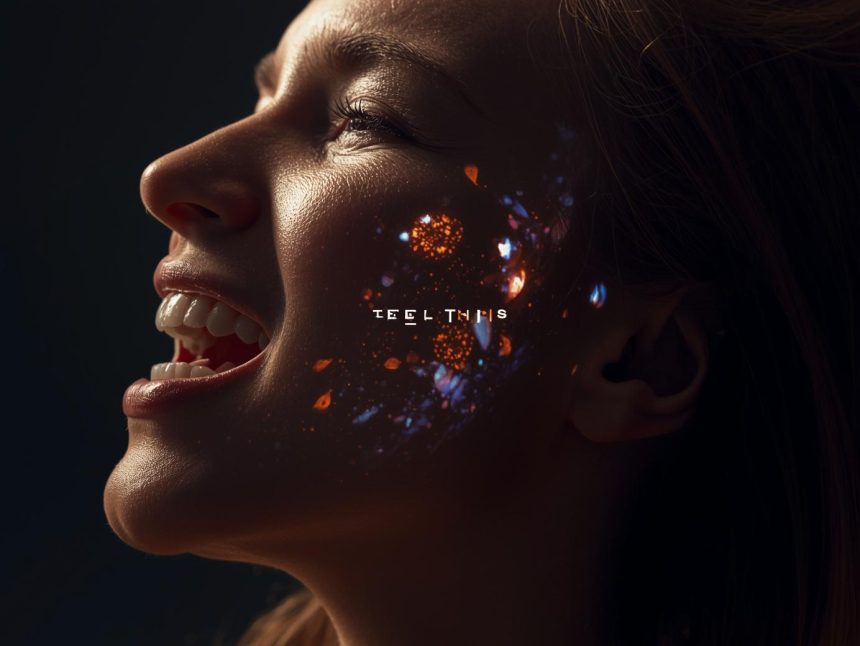
In today’s fast-moving digital world, brands no longer rely only on written ads or long commercials. Visual storytelling and short-form video have become the most powerful tools for digital branding and reputation building in 2025. From TikTok to Instagram Reels and YouTube Shorts, brands now use visual-first content to connect with people in real time. This shift has transformed how consumers engage with businesses and how companies present their stories to the world.
- What Is Visual Storytelling in Digital Branding?
- Why Short-Form Video Dominates in 2025
- The Connection Between Storytelling and Reputation
- Key Benefits of Visual Storytelling in Branding
- Strategies for Effective Visual Storytelling
- Case Studies of Visual Storytelling Success
- Challenges in Visual Storytelling
- The Future of Visual Storytelling in Branding
- References
What Is Visual Storytelling in Digital Branding?
Visual storytelling is the practice of using images, videos, and design to share a message that connects emotionally with people. In digital branding, this means going beyond just product features—it’s about telling a meaningful story. Instead of saying, “Our product is good,” brands now show behind-the-scenes videos, customer stories, or creative visuals that make audiences feel part of the brand. Short-form video platforms have made this form of storytelling more effective because people naturally pay more attention to videos than static ads.
Why Short-Form Video Dominates in 2025
According to HubSpot’s 2025 Marketing Trends Report, short-form video remains the most effective content type for brand awareness campaigns, with 33% of marketers reporting the highest ROI from short-form video compared to any other format (HubSpot, 2025). People consume these videos in less than a minute, making them ideal for today’s limited attention spans. TikTok, Instagram, and YouTube Shorts together reach billions of active users monthly, giving brands an unmatched opportunity to grow.
Another important factor is algorithm preference. Social media platforms push short videos to more people because they keep users engaged. This means even small businesses can go viral if their storytelling is authentic and creative.
The Connection Between Storytelling and Reputation
A brand’s reputation is shaped by what people see and feel about it. Visual storytelling creates stronger emotional bonds than plain advertising. For example, when a brand shares a customer success story in video format, it builds trust. Studies show that people remember 95% of a message when it is delivered through video, compared to only 10% when reading text (Forbes, 2024). This memory advantage gives visual storytelling a direct impact on reputation management.
Key Benefits of Visual Storytelling in Branding
1. Higher Engagement Rates
Short-form video has the highest engagement rate across social media platforms. According to Hootsuite’s Social Media Trends report, videos under 60 seconds generate 120% more shares than other types of content (Hootsuite, 2025). This means stories spread faster, helping brands reach new audiences.
2. Stronger Emotional Connection
Visuals help brands create emotions that text alone cannot. For instance, a brand campaign that shows behind-the-scenes teamwork or highlights social causes can instantly connect with viewers who share the same values.
3. Improved Brand Recall
A strong reputation depends on being remembered. A Nielsen study found that ads with strong storytelling elements improve brand recall by up to 22% compared to standard product ads (Nielsen, 2024). This proves that visual storytelling not only entertains but also strengthens memory and brand association.
4. SEO and GEO Advantages
Videos improve search visibility. Google now prioritizes video content in search results, and with the rise of Generative Engine Optimization (GEO), AI-driven tools like ChatGPT and Google’s SGE (Search Generative Experience) increasingly recommend video-based answers. This makes short-form video critical not only for human discovery but also for AI-driven discoverability (Economic Times, 2025).
Strategies for Effective Visual Storytelling
1. Know Your Audience Deeply
Great storytelling starts with understanding the audience. Use tools like SEMrush or Ahrefs to research what people are searching for, what trends they follow, and what type of video content works best in your industry.
2. Focus on Authenticity
Consumers are tired of over-polished ads. Authentic, raw, and behind-the-scenes content builds more trust. According to a survey by Axios, micro-influencers and authentic creators now drive stronger engagement than large celebrities (Axios, 2025). This means brands should focus on real stories and relatable faces.
3. Keep It Short and Snackable
Videos between 15 to 60 seconds perform best. In this time frame, brands should hook the audience in the first three seconds, tell a clear story, and finish with a call to action.
4. Use Subtitles and Accessibility Tools
More than 85% of videos on Facebook are watched without sound (Digiday, 2024). Adding subtitles and captions ensures accessibility and keeps the audience engaged even if they watch silently.
5. Integrate Brand Values
Visual storytelling should reflect what the brand stands for. Ethical branding and activism are now key factors in consumer trust. Gen Z buyers, in particular, support brands that are clear about their values (FT, 2025).
6. Leverage AI for Personalization
AI-driven tools can analyze data and create personalized video recommendations for different audience segments. Platforms like Canva Pro and Pictory allow brands to create AI-assisted short-form videos at scale.
Case Studies of Visual Storytelling Success
Nike’s Short-Form Campaigns
Nike continues to master storytelling by focusing on athletes’ personal struggles and victories. Their TikTok campaigns featuring micro-influencers led to a 40% higher engagement rate compared to traditional sports ads (Adweek, 2024).
Duolingo’s TikTok Success
The language-learning app Duolingo grew massively on TikTok by using humorous short videos featuring its green owl mascot. This strategy not only boosted app downloads but also positioned Duolingo as a fun and relatable brand.
Local Small Business Growth
Even small businesses benefit. A bakery in New York gained over 100,000 followers in less than six months by posting short, behind-the-scenes videos of bread-making (Hootsuite, 2025). This demonstrates how storytelling is not limited to global giants.
Challenges in Visual Storytelling
While the opportunities are huge, challenges exist. High competition means brands need unique creativity to stand out. Content fatigue is another risk—people scroll through hundreds of videos daily, so low-quality or repetitive storytelling can damage brand reputation. Finally, maintaining consistency across platforms is difficult but necessary for long-term trust.
The Future of Visual Storytelling in Branding
The next stage of visual storytelling will combine AI, AR, and interactive experiences. Brands will not only tell stories but also invite audiences to co-create them. With AI tools generating personalized storylines, people will see themselves as part of the brand journey. This evolution will make brand reputation even more dependent on how engaging and authentic a story feels.
As Mr. Phalla Plang, Digital Marketing Specialist, explains:
“In 2025, the brands that win are not the ones with the biggest budgets, but the ones with the strongest stories. Short-form video is not just content—it’s the bridge between trust, reputation, and customer loyalty.”
Note
Visual storytelling through short-form video is the heartbeat of digital branding in 2025. It is no longer optional—it is the foundation for building reputation, trust, and long-term customer relationships. Brands that invest in authentic, value-driven, and AI-supported storytelling will not only capture attention but also earn loyalty in an increasingly competitive world.
More Read

References
Adweek. (2024). Nike’s short-form video campaigns continue to outperform traditional ads. Retrieved from https://www.adweek.com
Axios. (2025, June 18). Micro-influencers and authenticity driving audience engagement at Cannes. Retrieved from https://www.axios.com/2025/06/18/axios-cannes-event-influencers-audience-brand-authenticity
Digiday. (2024). Silent video consumption trends. Retrieved from https://digiday.com
Economic Times. (2025, March 10). Rise of Generative Engine Optimization in digital marketing. Retrieved from https://economictimes.indiatimes.com
Forbes. (2024). The power of video in brand communication. Retrieved from https://www.forbes.com
FT. (2025). Gen Z expectations of brand values. Retrieved from https://www.ft.com
Hootsuite. (2025). Social media trends report. Retrieved from https://www.hootsuite.com/research/social-trends
HubSpot. (2025). State of Marketing Trends Report. Retrieved from https://blog.hubspot.com/marketing/marketing-trends
Nielsen. (2024). The effectiveness of storytelling in advertising. Retrieved from https://www.nielsen.com