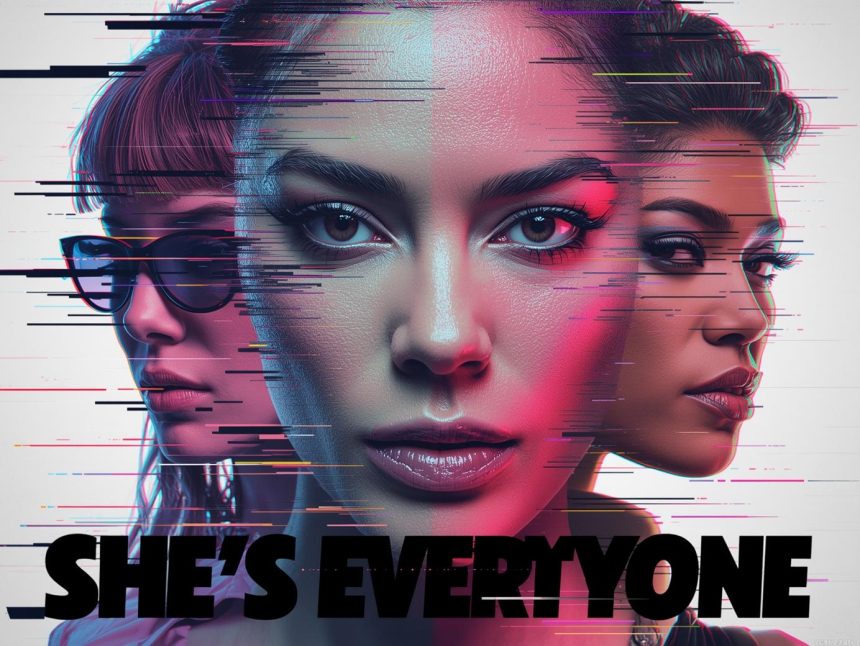
Influencer marketing has exploded in the last decade, with social media personalities driving billions in sales across industries. But in 2025, the game is evolving once again. A new class of influencers—virtual influencers and AI-generated characters—is transforming how brands connect with audiences.
- What Are Virtual Influencers?
- Why Virtual Influencers Are Gaining Popularity
- Examples of Virtual Influencers in 2025
- Tools and Platforms for Creating Virtual Influencers
- Benefits of Using Virtual Influencers
- Risks and Challenges
- How Brands Can Integrate Virtual Influencers into Strategy
- Case Study: Prada and Lil Miquela
- The Future of Virtual Influencers
- References
Unlike human influencers, virtual influencers are computer-generated personas powered by artificial intelligence (AI). They can be styled, scripted, and deployed across multiple platforms without the risks of scandals, scheduling conflicts, or human limitations. From Lil Miquela to Noonoouri, these digital personalities already command millions of followers and lucrative brand deals.
As Mr. Phalla Plang, Digital Marketing Specialist, notes: “AI influencers represent the perfect mix of creativity and control. They give brands influence without unpredictability, and audiences engagement without fatigue.”
This article explores what virtual influencers are, why they matter in 2025, examples of successful campaigns, the benefits and risks for brands, and practical steps to integrate them into your marketing strategy.
What Are Virtual Influencers?
Virtual influencers are digitally created characters designed to act like human influencers on social media platforms. Some are entirely fictional, while others are AI-powered avatars modeled after real people.
Key characteristics:
- AI-driven personalities: They can interact with followers using natural language processing (NLP).
- Customizable looks and lifestyles: Brands can design their appearance, values, and storylines.
- Scalable presence: Unlike human influencers, they can operate 24/7 across global markets.
Some are fully AI-generated, while others are a blend of human control (teams of designers and copywriters) and AI automation.
Why Virtual Influencers Are Gaining Popularity
- Cost-Effective and Scalable
Virtual influencers can be reused across campaigns without renegotiating contracts, making them cost-effective for long-term strategies (Financial Times, 2024). - Global Appeal
Brands can design influencers to resonate with diverse cultures and languages. - No Human Risk Factors
There’s no risk of scandals, unprofessional behavior, or burnout. - High Engagement Rates
Studies show that virtual influencers can generate up to 3x higher engagement than human influencers in certain niches (HypeAuditor, 2023). - Novelty and Curiosity
Audiences are intrigued by the blending of reality and AI, driving curiosity and shares.
Examples of Virtual Influencers in 2025
- Lil Miquela
Created by Brud, Lil Miquela is a Brazilian-American virtual influencer with over 2.5 million Instagram followers. She has worked with Prada, Calvin Klein, and Samsung. - Noonoouri
A German-designed virtual influencer, Noonoouri campaigns for sustainability and fashion, collaborating with Dior and Valentino. - Shudu
Dubbed the world’s first digital supermodel, Shudu has featured in Vogue and campaigns for Balmain. - Lu do Magalu
Brazil’s biggest virtual influencer, Lu represents Magazine Luiza, a retail giant, and has over 32 million followers across platforms. - AI-driven Brand Bots
Brands like KFC and Puma are experimenting with AI-generated mascots acting as influencers in regional campaigns.
Tools and Platforms for Creating Virtual Influencers
- Soul Machines – Creates hyper-realistic AI avatars with emotions and conversational AI.
- Replika – AI companions that can be adapted into influencer-style personas.
- Synthesia – Video AI tool for generating digital personas in multiple languages.
- D-ID – Generates talking avatars from static photos.
- Hour One – AI platform that creates virtual presenters for businesses.
Benefits of Using Virtual Influencers
- Brand Control
Every aspect—appearance, tone, and storyline—is customizable. - Consistency
They never age, take breaks, or lose relevance unless redesigned intentionally. - Lower Long-Term Cost
While initial creation may be expensive, maintenance is cheaper than ongoing human influencer contracts. - Innovation Edge
Brands that adopt virtual influencers are seen as forward-thinking and tech-savvy. - Data-Driven Optimization
AI systems track and adapt to engagement data in real time.
Risks and Challenges
- Authenticity Concerns
Some consumers may view AI influencers as inauthentic or manipulative. - Ethical and Legal Issues
Transparency around AI use is crucial to maintain trust and comply with regulations. - Cultural Missteps
Designing characters that misrepresent cultures or identities can backfire. - Over-Saturation
If too many brands jump in, audiences may tire of artificial personas.
How Brands Can Integrate Virtual Influencers into Strategy
- Define Purpose and Role
Will the influencer represent brand values (like sustainability) or act as a product ambassador? - Design with Storytelling in Mind
Audiences connect with narratives, not just visuals. Build a backstory. - Blend with Human Influencers
A mix of real and virtual personalities often feels more authentic. - Use Across Channels
Deploy them in TikTok challenges, Instagram Reels, YouTube Shorts, and even AR experiences. - Track Engagement Metrics
Measure impressions, comments, brand sentiment, and conversions.
Case Study: Prada and Lil Miquela
Prada partnered with Lil Miquela during Milan Fashion Week. She live-streamed backstage experiences, interacted with fans in real time, and boosted Prada’s Instagram engagement by over 40% (Vogue Business, 2023). This demonstrates how virtual influencers can extend reach while providing innovative storytelling.
The Future of Virtual Influencers
- AI Agents with Full Autonomy: By 2026, many virtual influencers will be fully autonomous, generating posts, engaging with comments, and negotiating collaborations without human input.
- Metaverse Integration: As AR and VR spaces grow, brands will deploy virtual influencers as hosts, guides, and even sales assistants.
- Personalized Influencers: AI could create custom influencers for individual consumers, based on their tastes and behaviors.
Note
In 2025, virtual influencers and AI-generated personas are not just futuristic experiments—they are mainstream marketing assets. With their ability to scale, adapt, and engage audiences in novel ways, they represent a powerful opportunity for brands to stay relevant.
But success requires balance: authenticity, transparency, and ethical AI practices are essential to avoid backlash. Brands that embrace virtual influencers strategically will gain not just visibility but also cultural credibility in the era of AI-driven marketing.
More Read

References
Financial Times. (2024). Virtual influencers: The next frontier of digital marketing. Retrieved from https://www.ft.com/
Gartner. (2024). AI trends in marketing and customer engagement. Retrieved from https://www.gartner.com/
HypeAuditor. (2023). Virtual influencer marketing performance report. Retrieved from https://hypeauditor.com/
Salesforce. (2024). State of marketing report. Retrieved from https://www.salesforce.com/
Vogue Business. (2023). Prada’s Milan Fashion Week goes digital with Lil Miquela. Retrieved from https://www.voguebusiness.com/