In today’s digital world, where algorithms decide what content we see, businesses face a new challenge: connecting with audiences on a deeply emotional level. Traditional performance-driven ads may still deliver clicks, but they often fail to build trust, loyalty, and long-term relationships. Enter Vibe Marketing—a fresh approach that uses emotion-driven, intuitive AI creative to resonate with people’s feelings rather than just their demographics or behaviors.
- What Is Vibe Marketing?
- Why Vibe Matters in the AI Era
- The Core Elements of Vibe Marketing
- AI Technologies Powering Vibe Marketing
- Case Studies of Vibe Marketing in Action
- Benefits of Vibe Marketing
- Challenges of Vibe Marketing
- The Future of Vibe Marketing
- Expert Insight
- How Businesses Can Start with Vibe Marketing
- References
This article explores what vibe marketing is, how AI enhances it, and why it is becoming one of the most powerful strategies for brands worldwide.
What Is Vibe Marketing?
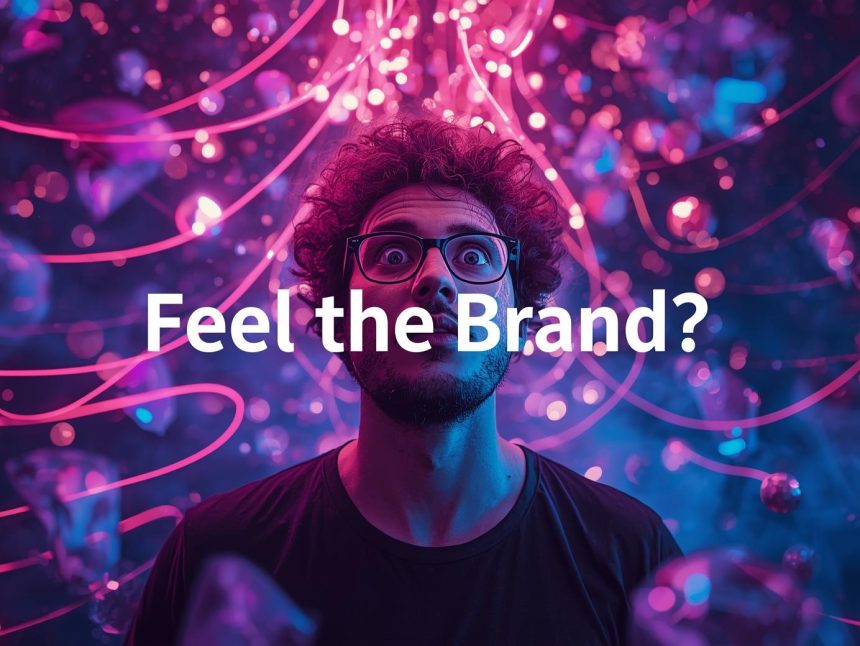
Vibe marketing is a creative strategy focused on capturing the “feeling” behind a brand message. Instead of relying solely on data-driven targeting (age, gender, income, location), it uses emotional signals, cultural context, and intuitive design to craft experiences that align with the mood and energy of the audience.
For example, instead of showing a sneaker ad to a 25-year-old male because of demographics, vibe marketing uses AI to analyze music preferences, trending TikTok aesthetics, and emotional tone in comments, then delivers a campaign that “feels right” in the moment.
Research shows that up to 95% of purchasing decisions are driven by subconscious emotions rather than rational analysis (Zaltman, 2003). When brands capture the right vibe, they aren’t just selling products—they’re creating emotional anchors that last.
Why Vibe Matters in the AI Era
Traditional digital marketing has often focused on metrics like CTR (click-through rate) and CPA (cost per acquisition). While these are important, they don’t capture the full picture of why consumers engage with brands. People are influenced by mood, aesthetics, and subconscious associations.
AI makes vibe marketing possible at scale. By combining sentiment analysis, natural language processing, computer vision, and predictive models, AI can identify emotional signals in real time. This enables marketers to adjust campaigns instantly to align with cultural energy, whether that’s optimism during holiday seasons or solidarity during social movements.
According to Deloitte (2024), 62% of Gen Z and Millennials expect brands to understand their emotions and values before they make a purchase.
In short, vibe marketing connects data with empathy—something AI can finally deliver with precision.
The Core Elements of Vibe Marketing
To understand vibe marketing, let’s break down its key components:
1. Emotion-Centered Creative
Emotion is the foundation. Campaigns are designed to spark joy, nostalgia, excitement, or even calmness, depending on brand goals. AI helps identify which emotions resonate most with target groups by analyzing social conversations, emoji usage, and tone of voice in digital content.
2. Intuitive AI Tools
AI-powered creative platforms like Runway, Synthesia, and ChatGPT allow marketers to generate videos, images, and copy that match a specific emotional tone. Instead of guessing what might “feel right,” brands can test multiple variations instantly.
3. Cultural Context Awareness
What works in Cambodia may not resonate in the U.S. or Europe. Vibe marketing requires geo-optimized campaigns that understand local culture, humor, and aesthetics. For example, music-driven campaigns resonate strongly in Southeast Asia, while story-driven content might connect more deeply in Western markets.
4. Real-Time Adaptability
Unlike traditional campaigns that stay fixed for months, vibe marketing uses AI to adjust creatives in real-time. If sentiment on social media shifts overnight, campaigns can pivot instantly to stay relevant.
5. Storytelling Over Selling
Instead of pushing a product, vibe marketing tells a story that fits the moment. This story often places the consumer at the center—how they feel, how they aspire to live, and how the brand becomes part of that narrative.
AI Technologies Powering Vibe Marketing
Several AI technologies make vibe marketing possible:
- Sentiment Analysis: AI tools like MonkeyLearn and Clarabridge analyze conversations, reviews, and comments to detect emotional tones.
- Generative AI for Creative Assets: Platforms such as MidJourney and DALL·E create images that capture cultural aesthetics and emotions.
- Predictive Analytics: AI predicts future consumer moods by analyzing search trends, seasonal behaviors, and cultural signals.
- Neuro-marketing Data Integration: Tools like Neuro-Insight study brain responses to creative content, helping refine campaigns based on subconscious reactions.
Case Studies of Vibe Marketing in Action
1. Nike’s “Play New” Campaign
Nike’s 2021 “Play New” campaign highlighted the joy of playing sports regardless of skill level. By focusing on fun, inclusivity, and vibe over performance, Nike tapped into younger audiences who value self-expression. Social listening revealed strong emotional responses tied to “joy in imperfection,” which helped scale the campaign globally (Nike, 2021).
2. Spotify Wrapped
Every December, Spotify Wrapped delivers personalized playlists and stats. This campaign goes beyond data—it captures the emotional vibe of nostalgia and self-identity. AI enables Spotify to personalize at scale, making users feel seen and celebrated (Spotify, 2023).
3. Coca-Cola’s “Create Real Magic”
Using AI tools like DALL·E, Coca-Cola launched a campaign where fans could co-create digital artwork. This not only tapped into the creative vibe of AI culture but also fostered emotional connection through participation (Coca-Cola, 2023).
Benefits of Vibe Marketing
- Deeper Emotional Loyalty – Consumers remember how brands make them feel, not just what they sell.
- Higher Engagement Rates – Emotion-driven campaigns generate significantly more shares on social media (HBR, 2015).
- Cross-Cultural Flexibility – By reading local moods, campaigns become globally adaptable.
- Stronger Brand Identity – Vibe-based storytelling makes brands culturally relevant.
- Long-Term ROI – While clicks may fluctuate, emotional resonance builds lifetime customer value.
Challenges of Vibe Marketing
Despite its potential, vibe marketing also faces challenges:
- Risk of Misinterpretation: AI may misread cultural nuance, leading to campaigns that feel tone-deaf.
- Over-Reliance on Data: Too much automation can make campaigns feel generic if not balanced with human intuition.
- Privacy Concerns: Emotional tracking requires analyzing conversations, raising ethical questions.
- Scalability in Small Markets: Emerging economies like Cambodia may lack enough localized data for precise vibe campaigns.
Brands must balance AI-driven insights with authentic human creativity.
The Future of Vibe Marketing
Looking ahead, vibe marketing will grow more powerful as AI emotional intelligence improves. Imagine ads that adapt in real time to your facial expression, or branded experiences that change music, visuals, and tone based on your current mood.
Already, Meta is testing emotion-driven AI ads in Instagram and Facebook feeds, while TikTok’s algorithm fine-tunes For You Page recommendations by analyzing emotional engagement patterns.
By 2030, vibe marketing may become the default approach, where brands no longer ask, “Who is our customer?” but instead, “What vibe are they in right now?”
Expert Insight
As I often remind clients, “Data tells you what people do, but vibes tell you why they do it. In the AI era, winning brands will be the ones that can merge analytics with authentic emotional storytelling.” — Mr. Phalla Plang, Digital Marketing Specialist
How Businesses Can Start with Vibe Marketing
Here’s a practical roadmap:
- Audit Your Brand Vibe – Identify your current emotional footprint. What feelings do people associate with your brand?
- Adopt AI Creative Tools – Use platforms like Runway for video or Canva AI for design personalization.
- Experiment with Sentiment Listening – Monitor emotional trends with tools like Brandwatch.
- Test Multiple Vibes – Create campaigns across different moods (joy, empowerment, calm) and track emotional engagement.
- Prioritize Ethical Use – Be transparent about AI use and respect consumer privacy.
- Localize with Cultural Sensitivity – Partner with local creators to ensure your vibe matches cultural context.
Note
Vibe marketing is not just a passing trend. It represents the future of brand storytelling in an AI-driven world. By focusing on emotions, cultural signals, and intuitive AI creative, brands can connect more authentically with audiences across the globe.
In a digital landscape crowded with ads, the brands that succeed will not be the ones with the loudest message, but the ones with the right vibe.
More Read

References
Coca-Cola. (2023). Create Real Magic: Coca-Cola launches AI-powered consumer experience. The Coca-Cola Company. https://www.coca-colacompany.com
Deloitte. (2024). Digital media trends: 18th edition. Deloitte Insights. https://www2.deloitte.com
Harvard Business Review (HBR). (2015). The new science of customer emotions. Harvard Business Publishing. https://hbr.org
Nike. (2021). Play New campaign: Celebrating the joy of play. Nike News. https://news.nike.com
Spotify. (2023). Spotify Wrapped: Celebrating the year in music. Spotify Newsroom. https://newsroom.spotify.com
Zaltman, G. (2003). How customers think: Essential insights into the mind of the market. Harvard Business School Press.