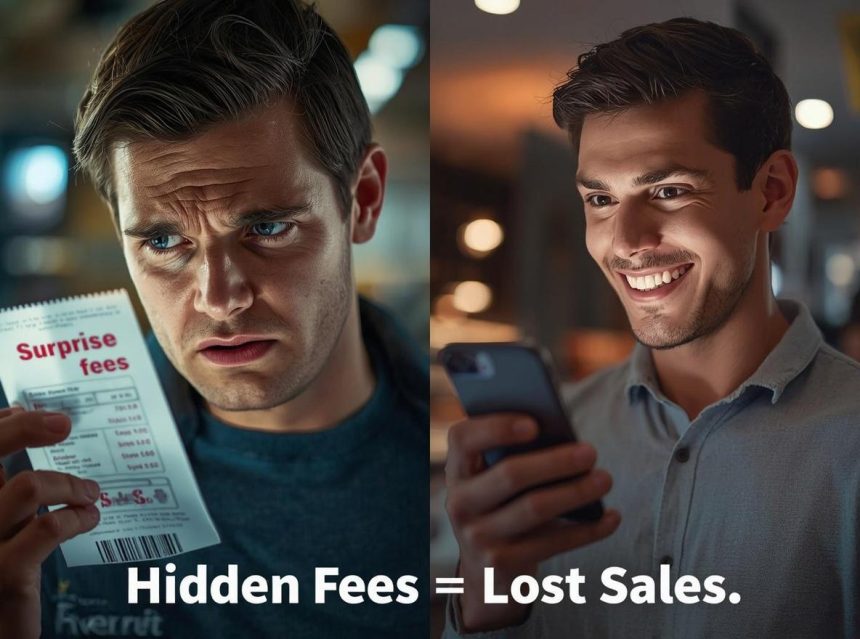
Cart abandonment is one of the most significant challenges in eCommerce. In 2025, the global average abandonment rate is 70.19% (Baymard Institute, 2025). That means for every 10 shoppers who add items to their cart, 7 leave without completing the purchase. Among the many reasons, the most important factor is unexpected extra costs.
According to Baymard Institute (2025), 48% of shoppers abandon their carts when faced with hidden fees such as shipping, taxes, or handling charges. This makes transparency in costs, shipping, and payment options one of the most effective strategies to reduce abandonment and recover lost sales.
As Mr. Phalla Plang, Digital Marketing Specialist, explains:
“Shoppers hate surprises at checkout. If you are transparent with pricing and flexible with payments, you turn hesitation into trust—and trust drives sales.”
Why Transparency Matters
Transparency creates trust. When customers clearly see what they will pay, how their order will be shipped, and which payment options are available, they feel more confident completing the transaction. Conversely, hidden charges and unclear policies erode confidence and drive abandonment.
Key stats underline this:
- 48% abandon due to unexpected extra costs (Baymard Institute, 2025).
- 17% abandon because of slow delivery or limited shipping choices (Cropink, 2025).
- 8% abandon when their preferred payment option is unavailable (Statista, 2025).
These figures prove that transparency is not just customer-friendly—it directly impacts revenue.
Transparent Pricing
Hidden Fees = Lost Customers
Shoppers often browse with an expected budget. When they discover shipping or taxes added only at checkout, it creates frustration. This is the single biggest driver of abandonment (Baymard Institute, 2025).
Upfront Pricing Builds Trust
Retailers like Amazon and Best Buy clearly display costs, taxes, and delivery fees before checkout. This level of upfront transparency reduces abandonment by up to 20% (Hotjar, 2024).
Best Practices for Transparent Pricing
- Display shipping fees and taxes on product or cart pages.
- Use all-inclusive pricing where possible.
- Provide free shipping thresholds (e.g., “Free shipping on orders over $50”).
Shipping Transparency
1. Show Costs Early
Do not wait until the last step. Display estimated shipping fees before checkout. This removes doubt and improves trust.
2. Provide Multiple Delivery Options
Shoppers value flexibility. Offering standard, express, and eco-friendly options caters to different needs.
3. Free Shipping Encourages Purchases
Free shipping is one of the strongest motivators. Nine in 10 shoppers say free shipping is their top reason to buy online (Statista, 2025). If full free shipping isn’t possible, offer it above a set order threshold.
4. Accurate Delivery Times
Unclear promises like “3–10 business days” frustrate buyers. Instead, provide specific delivery estimates, such as “Arrives by Friday, Aug 22.”
Payment Transparency and Flexibility
1. Multiple Payment Methods
In 2025, customers expect diverse options:
- Credit/debit cards
- Digital wallets (PayPal, Apple Pay, Google Pay)
- Buy Now, Pay Later services (Klarna, Afterpay)
Not offering the right payment choice leads to 8% of shoppers abandoning their cart (Statista, 2025).
2. Security Transparency
18% of shoppers abandon due to payment security concerns (Baymard Institute, 2025). Adding SSL certificates, PCI compliance logos, and secure payment badges reduces hesitation.
3. Show Final Cost Breakdown
Always display a clear summary before payment: product cost + shipping + taxes. This prevents last-minute abandonment due to price shock.
Tools to Enhance Transparency
Several platforms help businesses add transparency in checkout:
- Shopify – Built-in tax and shipping calculators.
- BigCommerce – Multi-currency and regional shipping options.
- Stripe – Trusted global payment gateway.
- Klarna – Buy Now, Pay Later solutions.
- ShipperHQ – Real-time shipping rates and delivery estimates.
Best Practices for Transparency
- Show all costs upfront on product or cart pages.
- Offer free shipping thresholds to encourage higher spending.
- Provide multiple shipping options (standard, express, eco).
- Add diverse payment methods to suit customer preferences.
- Highlight trust signals for secure payments.
- Always display a final cost breakdown before purchase.
- Localize options (currency, taxes, payments) for international shoppers.
The Future of Transparent Checkout
Looking ahead, transparency will evolve with:
- AI-driven cost calculators that personalize taxes and shipping in real time.
- Sustainable delivery options with carbon-neutral tracking.
- Cryptocurrency and alternative payment methods entering mainstream checkouts.
- Social commerce integration, where total costs and payment methods are shown directly inside platforms like TikTok and Instagram.
Note
In 2025, the leading cause of cart abandonment remains unexpected extra costs. By being transparent about prices, shipping, and payment options, businesses can reduce abandonment, build trust, and recover lost revenue.
As Mr. Phalla Plang emphasizes:
“Checkout transparency builds trust. When shoppers see honest pricing and flexible payment options, they are far more likely to finish the purchase.”
Transparency is not just about avoiding cart abandonment—it’s about creating a trustworthy, customer-first shopping experience that drives long-term loyalty.
More Read

References
- Baymard Institute. (2025). Cart abandonment rate statistics. Retrieved from https://baymard.com/lists/cart-abandonment-rate
- Cropink. (2025). Cart abandonment statistics [2025 update]. Retrieved from https://cropink.com/cart-abandonment-statistics
- Hotjar. (2024). Cart abandonment stats and strategies. Retrieved from https://www.hotjar.com/blog/cart-abandonment-stats/
- Statista. (2025). Online shopping behavior and payment preferences. Retrieved from https://www.statista.com/