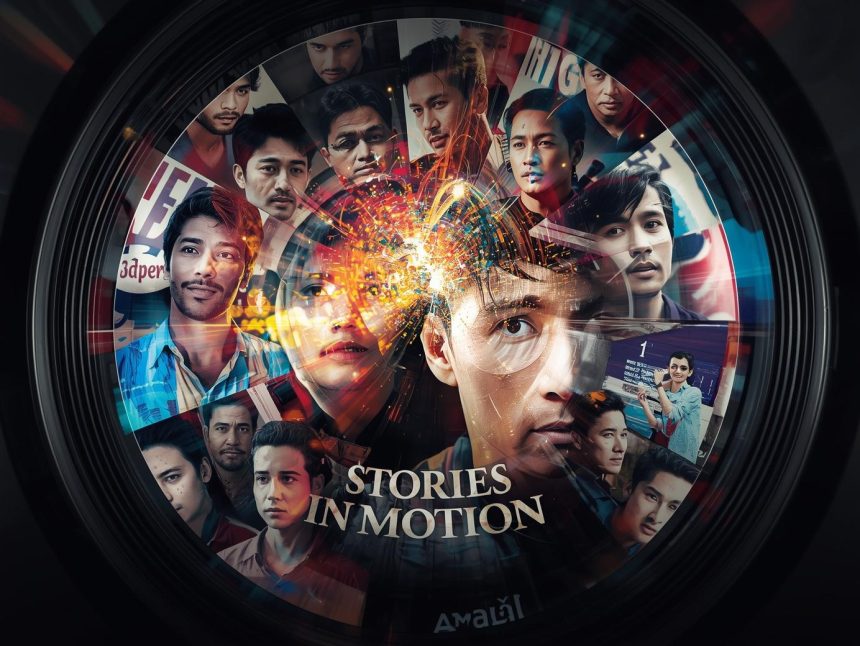
In today’s digital landscape, grabbing attention isn’t just a challenge—it’s a competition. With millions of blog posts, social media updates, and emails sent daily, marketers must find ways to stand out. One of the most effective strategies is visual storytelling—using images, videos, and graphics to communicate ideas and emotions quickly and memorably.
- Why Visual Content Matters
- The Psychology Behind Visuals
- Top Visual Content Formats for Engagement
- Essential Elements of Visual Storytelling
- Channel-Based Visual Storytelling
- Websites and Blogs
- Real-World Brand Examples
- Visual SEO: Optimising Your Visuals for Search
- Future of Visual Storytelling
- Actionable Tips for Marketers
- References
Why Visual Content Matters
Humans process visual information faster than text. Research shows that the brain processes images up to 60,000 times faster than written words (Thermopylae Sciences + Technology, 2013). Moreover, people remember 80% of what they see, compared to only 20% of what they read and 10% of what they hear (Medina, 2014).
According to HubSpot’s marketing statistics, content with relevant images gets 94% more views than content without them (HubSpot, 2023). In email marketing, adding visuals such as preview images or GIFs can improve click-through rates by up to 42% (Campaign Monitor, 2023).
The Psychology Behind Visuals
Visual storytelling appeals to emotion and cognition. Well-chosen visuals:
- Trigger emotions that influence buying decisions
- Clarify complex concepts that words alone cannot express
- Reinforce memory, helping people retain information longer
This is why visuals are not just decorative—they are strategic assets in communication.
Top Visual Content Formats for Engagement
1. Photography and Images
Photographs evoke instant emotional responses. Authentic photos of real people and scenarios tend to outperform generic stock imagery. Platforms like Unsplash and Pexels offer free high-quality images, while tools like Canva let users design custom branded visuals.
2. Videos
Video is the most engaging type of visual content. According to Wyzowl’s 2024 Video Marketing Report, 91% of businesses use video as a marketing tool, and 89% report positive ROI (Wyzowl, 2024). Whether it’s a product demo, customer testimonial, or brand story, videos captivate attention and encourage sharing.
Helpful tools include:
3. Infographics
Infographics are ideal for visualising data, comparisons, or step-by-step processes. A well-designed infographic can increase web traffic by up to 12% (Demand Gen Report, 2023). Tools like Venngage and Piktochart are perfect for non-designers.
4. GIFs and Memes
Short-form visual content like GIFs and memes are powerful for humour and relatability—especially on platforms like X (formerly Twitter) and Instagram. Tools like Kapwing and Giphy allow brands to create shareable, brand-relevant memes and motion graphics.
5. Data Visualisation
Visualising numbers through charts, graphs, and dashboards turns raw data into persuasive stories. Interactive tools like Flourish and Tableau help communicate insights more clearly.
Essential Elements of Visual Storytelling
- A Clear Narrative: Define what message you want your audience to walk away with.
- Emotional Appeal: Use visuals that resonate emotionally with your target audience.
- Consistency: Maintain visual branding (colours, fonts, styles) across all content.
- Simplicity: Avoid clutter. Focus on one key idea per visual.
- Strong Call-to-Action: Always guide viewers on what to do next—watch more, share, or subscribe.
Channel-Based Visual Storytelling
Social Media
Platforms like Instagram, TikTok, and LinkedIn are visual-first. For example:
- Instagram Stories increase engagement by up to 33% compared to regular posts (Socialinsider, 2024).
- TikTok videos with a strong narrative get 1.6x more views (TikTok For Business, 2024).
Websites and Blogs
Adding visuals every 75–100 words can double social shares and reduce bounce rates (BuzzSumo, 2023).
Emails
Emails with videos or visual previews increase open rates by 19% and click-through rates by 65% (Campaign Monitor, 2023).
Presentations
Adding visuals to presentations can increase audience retention by 42% (Prezi, 2023).
Real-World Brand Examples
Airbnb
Airbnb’s visual content focuses on storytelling through hosts’ lives, travellers’ experiences, and local cultures, which builds emotional trust and user engagement.
Apple
Apple’s product videos, clean photography, and minimalist branding show how design consistency and high-quality visuals make a powerful brand story.
National Geographic
Their Instagram account is a storytelling masterclass, combining professional photography with short educational captions. It’s why they have over 285 million followers (Instagram, 2024).
Visual SEO: Optimising Your Visuals for Search
To ensure visual content helps your SEO, follow these best practices:
- Alt text: Write descriptive text for each image to improve accessibility and ranking.
- Filename: Use keyword-friendly file names (e.g., “visual-storytelling-infographic.png”).
- Compress images: Use TinyPNG to reduce file size and improve load speed.
- Use structured data: Implement schema markup for videos and images.
- Transcribe videos: Add captions and transcripts for both accessibility and SEO.
Future of Visual Storytelling
- AI-Generated Visuals: AI tools like DALL·E and Midjourney are reshaping how content is created.
- Augmented Reality (AR): AR try-ons, filters, and product demos will become more mainstream.
- Interactive Content: Scroll-based stories, clickable graphics, and user-driven animations increase time-on-page.
- Vertical Video: Optimised for mobile, vertical video is now essential for Reels, Shorts, and TikTok.
Actionable Tips for Marketers
- Always use high-resolution, brand-consistent visuals.
- Focus on one core message per image or video.
- Include a visual CTA like a button, arrow, or icon to drive clicks.
- Test content formats using A/B testing tools like Google Optimize or VWO.
- Reuse visuals across formats—convert videos to GIFs, infographics to carousels, or photos to memes.
Note
Visual storytelling is one of the most effective ways to connect, inform, and convert. By leveraging formats like videos, infographics, and images, marketers can create deeper emotional connections and drive more engagement. Whether you’re a small business owner or a global brand, investing in visual storytelling is no longer optional—it’s essential for standing out in a crowded digital world.
Use the tools and principles shared in this article to build your brand’s story visually, and you’ll create content that’s not just seen—but remembered.
More Read

References
BuzzSumo. (2023). The most shared content of 2023. Retrieved from https://buzzsumo.com
Campaign Monitor. (2023). Ultimate email benchmarks for 2023. Retrieved from https://www.campaignmonitor.com/
Demand Gen Report. (2023). Visual content marketing statistics and trends. Retrieved from https://www.demandgenreport.com/
HubSpot. (2023). The ultimate list of marketing statistics for 2023. Retrieved from https://www.hubspot.com/
Medina, J. (2014). Brain Rules: 12 Principles for Surviving and Thriving at Work, Home, and School. Pear Press.
Prezi. (2023). Visual engagement and retention stats. Retrieved from https://prezi.com/
Socialinsider. (2024). Instagram Story performance benchmark report. Retrieved from https://www.socialinsider.io/
Thermopylae Sciences + Technology. (2013). Visual communication statistics. Retrieved from https://www.t-sciences.com/newsroom
TikTok For Business. (2024). Creative best practices. Retrieved from https://www.tiktok.com/business/
Wyzowl. (2024). State of video marketing report. Retrieved from https://www.wyzowl.com/video-marketing-statistics/