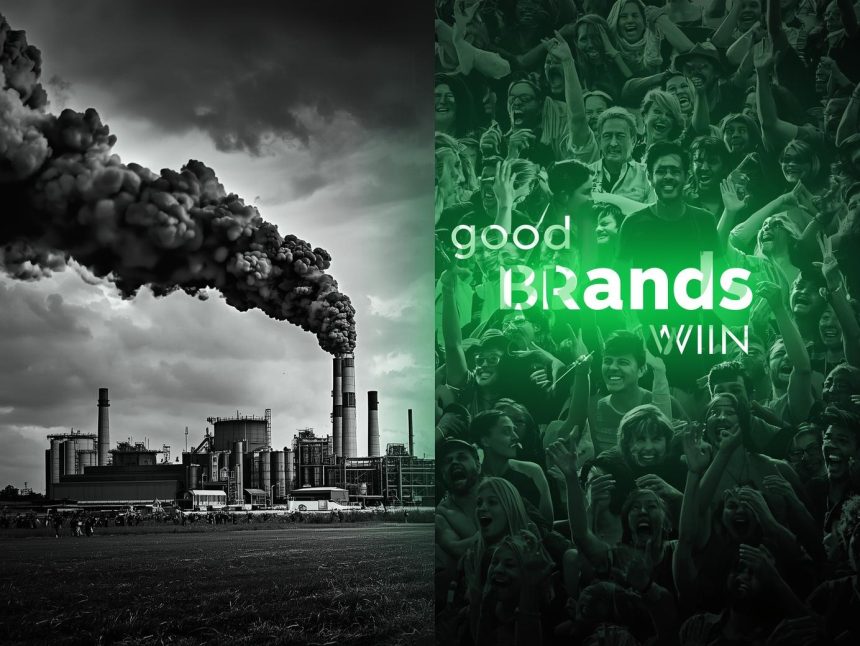
In 2025, sustainability and ethics have become central to brand positioning. Customers today expect brands to do more than sell products—they want them to demonstrate environmental responsibility, social fairness, and transparency. Positioning your brand as sustainable and ethical is not just about reputation—it’s about survival in a market where trust and values drive decisions.
According to PwC’s 2024 Voice of the Consumer Survey, 85% of consumers experienced the effects of climate change firsthand, and buyers are willing to pay an average 9.7% more for sustainable goods (PwC, 2024). This shows that ethical brand positioning is no longer optional—it is a growth driver.
What Is Sustainability & Ethical Brand Positioning?
- Sustainability positioning: Showing customers that your brand reduces environmental harm—using renewable resources, eco-friendly packaging, or reducing emissions.
- Ethical positioning: Demonstrating fairness, inclusivity, and honesty—such as ensuring safe labor, practicing transparency, and promoting social justice.
Together, these create a powerful positioning strategy that builds long-term loyalty and sets a brand apart.
Why It Matters in 2025
- Consumer demand is rising. NielsenIQ reported that 78% of global consumers view living sustainably as important, and Gen Z and millennials are leading this demand (NielsenIQ, 2025).
- Trust equals loyalty. Deloitte found that brands with strong purpose grow two times faster than competitors (Deloitte, 2023).
- Global regulations are expanding. Supply chain transparency and environmental reporting are increasingly required, making sustainability a compliance necessity.
Key Types of Sustainability and Ethical Brand Positioning
1. Eco-Friendly Positioning
- Example: IKEA plans to be climate positive by 2030.
- Application for SMEs: Use recyclable packaging, reduce energy waste, or source local eco-materials.
2. Fair Trade & Ethical Labor Positioning
- Example: Ben & Jerry’s ensures ingredients are sourced under Fair Trade standards.
- Application for SMEs: Choose ethical suppliers and highlight fair sourcing practices in marketing.
3. Cause-Driven Positioning
- Example: Patagonia actively campaigns for environmental protection and donates profits to green causes.
- Application for SMEs: Support a local cause and link it to your brand story.
4. Transparency-First Positioning
- Example: Everlane uses “Radical Transparency,” showing costs and supply chains openly.
- Application for SMEs: Share behind-the-scenes stories, sourcing details, or sustainability progress reports.
Benefits of Ethical & Sustainable Positioning
- Customer Loyalty: 73% of millennials are willing to pay more for sustainable products (NielsenIQ, 2025).
- Competitive Advantage: Strong positioning creates differentiation in crowded markets.
- Employee Engagement: Workers are more motivated in organizations aligned with ethical values.
- Risk Reduction: Clear sustainability practices reduce reputational risks like greenwashing scandals.
Challenges to Consider
- Greenwashing concerns: Misleading claims can damage trust.
- Higher upfront costs: Eco-friendly sourcing or certifications may increase short-term expenses.
- Proof is essential: Customers demand evidence such as certifications, audits, or case studies.
How to Position Your Brand as Sustainable & Ethical
- Audit your impact. Map your supply chain, packaging, and energy use.
- Pick your focus. Decide whether your position will emphasize eco-friendliness, ethics, or transparency.
- Communicate honestly. Back claims with certifications (e.g., Fair Trade, B Corp).
- Educate customers. Use blogs or campaigns to explain how their purchase helps the planet or society.
- Engage your employees. Involve teams in sustainability programs to make your positioning authentic.
Expert Insight
As Mr. Phalla Plang, Digital Marketing Specialist, puts it:
“Sustainability is not a marketing trick—it’s a brand promise. Customers can tell the difference between companies that truly care and those that only pretend. The future belongs to brands that are ethical, authentic, and consistent.”
Note
In 2025, sustainability and ethical positioning define brand relevance. Consumers demand responsibility, and brands that meet these expectations not only gain loyalty but also achieve long-term growth.
Whether you’re a global leader or a local startup, the message is clear: brands that embrace sustainability and ethics today will own the customer relationships of tomorrow.
More Read

References
Deloitte. (2023). Purpose-driven consumer trends report. Deloitte Insights. Retrieved from https://www.deloitte.com
NielsenIQ. (2025, May 21). Sustainability statistics: The ultimate global list. NielsenIQ. Retrieved from https://nielseniq.com
PwC. (2024, May 15). Consumers willing to pay 9.7% sustainability premium, even as cost-of-living and inflationary concerns weigh: PwC 2024 Voice of the Consumer Survey. PwC. Retrieved from https://www.pwc.com