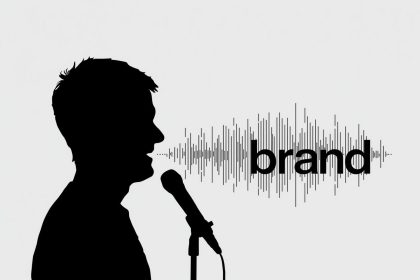
In today’s digital world, businesses compete for attention across websites, apps, and social platforms. But now, it’s not just about what a brand looks like—it’s also about how it sounds. This is where voice branding comes in. It’s a way for businesses to shape their identity through sound, tone, and spoken interaction.
From smart assistants like Alexa and Siri to audio ads and branded podcasts, sound has become a vital part of digital marketing. This article explores the rise of voice branding, its importance, and how companies can use it to create a deeper connection with customers.
What is Voice Branding?
Voice branding (or sonic branding) is the process of using voice, sound, and audio style to represent a brand. Just as a logo creates a visual identity, a brand’s voice creates a sonic identity—how it “speaks” to people across platforms.
It can include:
- The voice tone used in ads or customer service
- A brand’s spoken personality on podcasts or YouTube
- Sound logos or jingles
- AI voice assistants or smart device skills
A strong voice brand ensures that when customers hear your brand, they recognise it instantly—just like they would if they saw your logo.
Why Voice Branding Matters
📈 Voice Technology is Growing
With the rise of voice assistants like Amazon Alexa, Google Assistant, and Apple’s Siri, more people are searching, shopping, and asking questions using voice. Statista (2024) reported that over 50% of U.S. consumers now use voice assistants regularly. This means brands must speak the language of their customers—literally (Statista, 2024).
🏠 Smart Devices Are Everywhere
Smart speaker shipments are expected to exceed 320 million units globally by 2025 (Canalys, 2023). This trend opens huge opportunities for brands to connect with users in new, natural ways—from smart home commands to in-car voice experiences.
🎧 Audio Content Is Booming
More than 64% of Americans aged 12 and older now listen to online audio every week, according to Edison Research (2024). Podcasts, voice ads, and voice search are all becoming normal parts of the digital experience. Brands that sound right stand out in this growing space.
Benefits of Voice Branding
✅ Instant Recognition
Just like a visual logo, a consistent brand voice helps users remember your brand. A familiar voice can trigger recognition even if no name is mentioned.
✅ Builds Trust and Connection
Human-sounding voices make brands feel warm and approachable. A well-designed voice builds emotional engagement and customer loyalty.
✅ Increases Accessibility
Voice branding supports users with visual impairments or reading difficulties. It also serves busy users who prefer listening over reading.
✅ Enhances Performance on Voice Platforms
When your brand has a clear, consistent voice, it performs better on voice-activated devices, including smart speakers and mobile apps.
Real-World Examples of Voice Branding
Amazon Alexa
Alexa’s voice is soft, neutral, and helpful—reflecting Amazon’s focus on service and reliability.
Google Assistant
Google’s assistant sounds smart, clear, and efficient. It matches their mission of providing fast and accurate information.
Coca-Cola
Coca-Cola uses friendly voiceovers and a globally recognised sonic logo to reflect joy, unity, and tradition.
How to Create a Voice Branding Strategy
Creating a strong voice for your brand doesn’t happen by accident. Here’s how to do it step by step:
Step 1: Define Your Brand Personality
Ask: What is your brand’s character? Are you playful, serious, bold, or calm?
Use the Brand Archetype Tool to help define your voice style.
Step 2: Choose the Right Voice
Decide whether to use a real person or an AI-generated voice.
Tools to try:
- WellSaid Labs: Create lifelike AI voiceovers.
- Play.ht: Turn text into realistic, branded audio.
- Descript: Edit voice recordings, create podcasts, and more.
Choose a voice that matches your brand’s tone and purpose. For example, a children’s brand may use a cheerful tone, while a financial firm may use a more formal, calm voice.
Step 3: Create a Voice Style Guide
Just like a visual brand guide, your voice brand needs rules. Include:
- Preferred tone (e.g., friendly, confident, relaxed)
- Common phrases or greetings
- Words to avoid (e.g., slang or technical jargon)
- Speed, volume, and pitch preferences
This helps keep voice consistent in ads, apps, videos, and calls.
Step 4: Train Teams and Tools
If using human voice actors, train them with the guide. If using AI voices, set tone and pronunciation parameters.
Platforms like Resemble AI let you customise AI voices that sound like your brand.
Step 5: Apply Voice Across All Channels
Your brand voice should appear in:
- YouTube and video ads
- Podcast intros and outros
- Customer support calls
- Smart speaker apps
- Product tutorials
- Social media videos
Be consistent in every channel.
Voice Branding and SEO: Speak the Customer’s Language
As more users search by speaking, voice-friendly content becomes essential.
✅ Optimise for Voice Search:
- Use natural, spoken language
- Include long-tail keywords (e.g., “best coffee shop near Riverside Phnom Penh”)
- Add FAQ sections to answer common voice queries
- Use structured data/schema markup to help Google understand your content
Helpful tools:
These tools help find common voice-style questions people ask online.
Challenges in Voice Branding
❌ Cultural Sensitivity
A voice that sounds friendly in one culture might sound offensive or odd in another. Always localise tone and accent where needed.
❌ Robotic AI Voices
AI voices are improving but can still sound unnatural. Test with real users and adjust until your brand sounds human and trustworthy.
❌ Voice Fatigue
Too much voice interaction can overwhelm users. Use voice thoughtfully—combine it with visuals, text, or music when appropriate.
Voice Branding in the Future
The voice branding space is growing fast. Juniper Research (2024) projects that voice-based ad revenue will reach $30 billion by 2030, fueled by smart cars, homes, and wearables (Juniper Research, 2024).
Voice branding will become a core part of brand identity, just like a website or social media presence. Businesses that act now will have a major advantage as audio-first technology spreads.
Note
In the noisy digital market, brands that speak clearly and consistently stand out. Voice branding helps businesses create deeper, more human connections with their audiences.
It’s not just about being heard—it’s about being recognised, remembered, and trusted.
As digital experiences become more voice-driven, the sound of your brand may soon be more powerful than its look.
Now is the time to find your voice—and use it to win.
More Read

References
- Canalys. (2023). Global smart speaker market 2025 forecast. Retrieved from https://www.canalys.com/
- Edison Research. (2024). The Infinite Dial 2024: Audio Consumption Report. Retrieved from https://www.edisonresearch.com/infinite-dial-2024/
- Juniper Research. (2024). Voice Commerce & Voice Assistants Market Report 2024-2030. Retrieved from https://www.juniperresearch.com/
- Statista. (2024). Voice assistant usage in the U.S. 2024. Retrieved from https://www.statista.com/statistics/1121474/us-voice-assistant-users/
- WellSaid Labs. (n.d.). AI voice generator for business. Retrieved from https://www.wellsaidlabs.com/
- Play.ht. (n.d.). Realistic Text to Speech (TTS) online. Retrieved from https://play.ht/
- Descript. (n.d.). Audio/video editing software. Retrieved from https://www.descript.com/
- Resemble AI. (n.d.). Custom AI voice generator. Retrieved from https://www.resemble.ai/
- Voiceflow. (n.d.). Build voice apps without code. Retrieved from https://www.voiceflow.com/
- AnswerThePublic. (n.d.). Discover what people are asking about. Retrieved from https://answerthepublic.com/
- AlsoAsked. (n.d.). Visualize search questions people ask. Retrieved from https://alsoasked.com/