In today’s world, digital marketing is more than catchy ads and clever SEO—it’s about trust. Customers are becoming increasingly concerned about how their personal information is used. As a result, secure marketing—which prioritises privacy and data protection—is now a critical part of every business’s digital strategy.
This article explains what secure marketing means, why it’s essential, and how you can use it to protect your customers and build stronger, longer-lasting relationships.
What is Secure Marketing?
Secure marketing refers to all the steps a business takes to protect customer data in the marketing process. It ensures that every interaction—from collecting an email to running an ad—follows strict rules to keep personal data safe.
Key principles include:
- Transparency – Informing users how their data is collected and used.
- Consent – Getting clear permission before using personal data.
- Protection – Securing data from breaches or misuse.
- Compliance – Following global privacy laws like GDPR and CCPA.
Secure marketing means using technology responsibly to build trust—not just traffic.
Why Is Secure Marketing So Important?
A data breach can cost a company millions. According to IBM (2023), the average cost of a breach globally is USD $4.45 million, a number that continues to rise each year. Beyond financial loss, brands suffer from reputation damage, legal consequences, and customer churn.
In fact, Cisco (2023) reports that 76% of consumers won’t buy from companies they don’t trust with their data. This means brands that don’t take security seriously risk losing both customers and profits.
Key Risks in Insecure Marketing
Many digital marketing channels expose companies to security risks:
| Threat | Description |
| Phishing | Fake marketing emails trick users into revealing info. |
| Malvertising | Ads carry malware that infects users’ devices. |
| Unsecured third-party tools | Plugins and ad trackers may leak data. |
| Poor data storage | Unprotected databases are easy targets. |
| Regulation violations | Ignoring privacy laws can result in large fines. |
Know the Privacy Laws
Understanding and following privacy regulations is essential. Here are the top laws marketers should know:
- GDPR (EU) – Requires consent, data access rights, and transparency. Learn more
- CCPA (California) – Gives users the right to opt out of data sales. Learn more
- PDPA (Singapore/Thailand) – Ensures personal data is handled responsibly. Learn more
- Cambodia’s draft laws – These are still developing but aim to protect digital privacy.
Complying with these regulations isn’t just legal—it’s good for brand trust.
Best Practices for Secure Marketing
1. Collect Only What You Need
Don’t over-collect data. If a name and email are enough, don’t ask for date of birth, location, or phone number.
2. Use Secure Websites and Forms
Ensure your website uses HTTPS and encrypted forms. Use tools like Jotform or Typeform that support secure submissions.
3. Get Clear and Informed Consent
Always ask users to agree before sending them emails or using cookies. Use tools like:
4. Secure Your Data Storage
Use cloud platforms with built-in security like:
Ensure you use multi-factor authentication and encrypted backups.
5. Limit Internal Access
Only marketing or sales teams should access customer data—not everyone in your company.
6. Train Your Staff
Regularly train your team on:
- Phishing awareness
- Safe data practices
- Compliance with GDPR, CCPA, and others
Trusted Tools for Secure Marketing
| Tool | Key Use | Link |
| HubSpot | Marketing automation with privacy features | HubSpot |
| Mailchimp | Secure email marketing & opt-in features | Mailchimp |
| Segment | Customer data platform with access controls | Segment |
| TrustArc | Cookie consent management | TrustArc |
| Securiti.ai | Automates data privacy compliance | Securiti |
Real-World Examples of Secure Marketing
Apple: App Tracking Transparency (ATT)
In 2021, Apple introduced a pop-up that asks users if they want to be tracked by apps. The result? Only 4% of iOS users agreed (Flurry Analytics, 2021). This shows that customers appreciate control—and Apple became a privacy leader.
DuckDuckGo: Privacy-First Growth
DuckDuckGo is a search engine that doesn’t track users. In 2022, it surpassed 100 million daily searches. Privacy was its key selling point (DuckDuckGo, 2022).
Proton Mail: Secure Email for Marketers
Proton Mail encrypts email communications and complies with GDPR. Companies using Proton show they care about email privacy.
What’s Next? The Future of Secure Marketing
Secure marketing is only getting more advanced. Here are upcoming trends:
- Zero-party data – Customers choose to share preferences voluntarily.
- Blockchain ad tracking – Helps confirm ad views and prevent fraud.
- AI privacy checkers – AI will scan campaigns before launch to spot compliance issues.
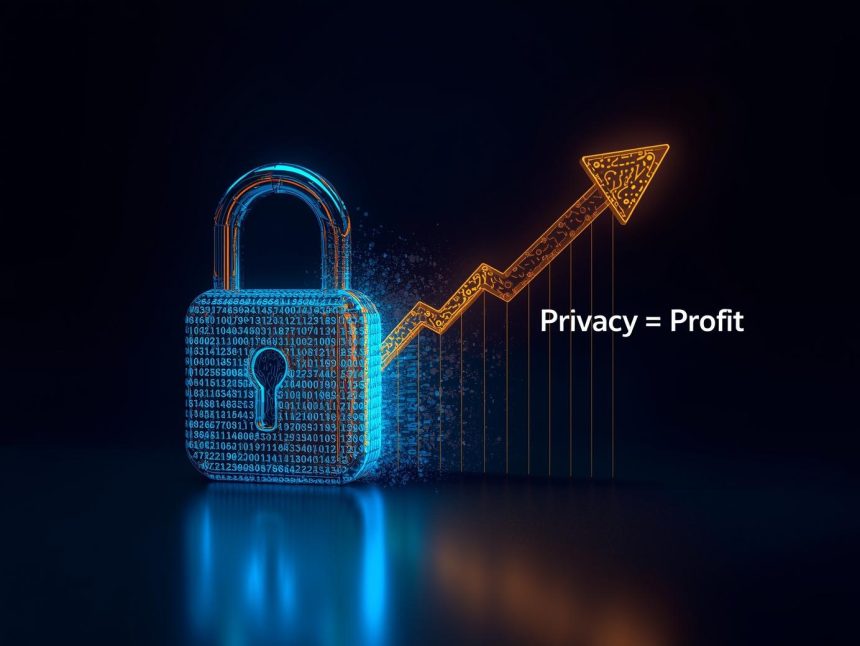
As privacy becomes a competitive advantage, marketers who take it seriously will win more trust and loyalty.
Note
Secure marketing is not just a technical requirement—it’s a business advantage. It shows respect for your audience and positions your brand as responsible and modern. By using the right tools, collecting only necessary data, and staying compliant with global regulations, marketers can create campaigns that are both effective and ethical.
The future of digital marketing is not just more data—it’s better, safer, and more secure data. And that starts with you.
More Read

References
Cisco. (2023). 2023 Consumer Privacy Survey. https://www.cisco.com/c/en/us/about/trust-center/privacy-research.html
DuckDuckGo. (2022). DuckDuckGo Traffic. https://duckduckgo.com/traffic
Flurry Analytics. (2021). App Tracking Transparency Opt-In Rate. https://www.flurry.com/blog/att-opt-in-rate-2021/
IBM. (2023). Cost of a Data Breach Report 2023. https://www.ibm.com/reports/data-breach
Jotform. (n.d.). Encrypted Online Forms. https://www.jotform.com/features/encrypted-forms/
OneTrust. (n.d.). Privacy Management Platform. https://www.onetrust.com
Securiti. (n.d.). Data Privacy Automation Platform. https://securiti.ai