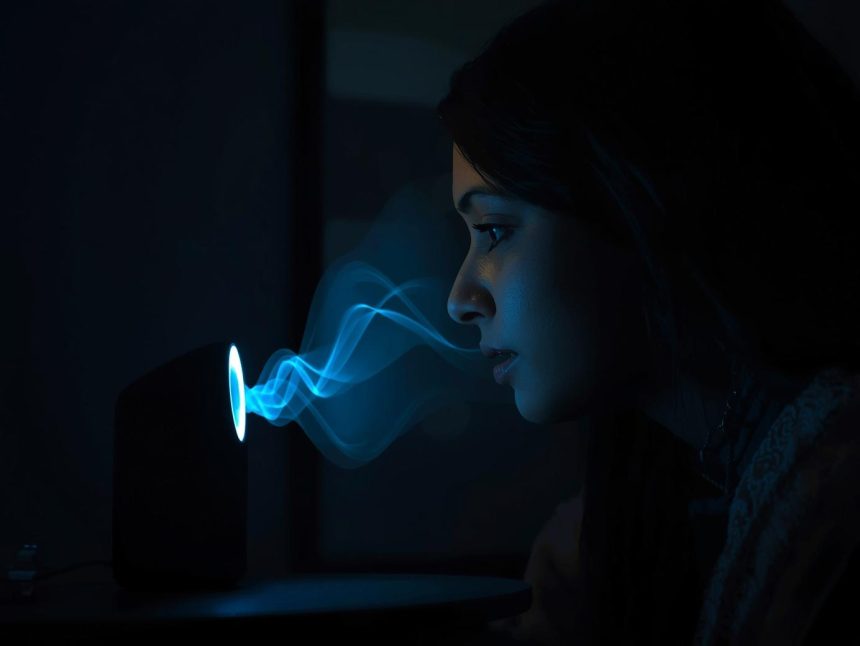
As voice technology becomes a more integrated part of daily life—through smart speakers, mobile assistants, and in-car voice systems—concerns over privacy, consent, and trust are growing. While these tools enhance convenience, they also collect and process highly personal data, often without users being fully aware of how or why. According to Cisco (2023), 76% of global consumers express concern over how their voice data is collected and used.
- The Importance of Trust in Voice Technology
- Key Privacy Risks in Voice Interactions
- Consumer Sentiment and Expectations
- Legal and Regulatory Landscape
- Industry Responses and Privacy Features
- Best Practices for Brands to Build Trust
- Ethical Voice Design Beyond Compliance
- Case Examples: Privacy Features in Action
- The Cost of Ignoring Trust
- References
The challenge for brands is clear: to benefit from voice-enabled experiences, they must first earn user trust. This article examines the key privacy risks, global legal frameworks, and practical steps brands can take to ensure ethical and transparent voice interactions.
The Importance of Trust in Voice Technology
1. Voice Is Personal and Biometric
Voice carries unique biometric data—such as tone, pitch, and speaking patterns—that can identify individuals. This classifies it as personally identifiable information (PII) in many privacy laws, requiring heightened protection.
2. Devices Are Always Listening
Smart devices often operate in “standby” mode, passively listening for wake words like “Hey Siri” or “Alexa.” This raises questions about accidental recordings and data storage without explicit awareness.
3. Consumer Trust Drives Adoption
According to PwC (2023), 64% of users say trust is the most important factor influencing their willingness to use voice assistants. Without trust, even the best-designed experiences risk rejection.
Key Privacy Risks in Voice Interactions
| Risk | Description |
| Unintentional Recording | Voice data may be captured inadvertently, including sensitive personal details |
| Data Misuse | Data collected for functionality might be reused for profiling or advertising |
| Lack of Transparency | Users often don’t know what is stored or who can access it |
| Hacking and Security | Poor security practices can expose voice logs to cyber threats |
| Consent Confusion | Many interfaces fail to clearly explain what users are consenting to |
Consumer Sentiment and Expectations
Deloitte (2023) found that 43% of users have abandoned a service due to privacy concerns. Additionally:
- 38% worry about smart devices eavesdropping (PwC, 2023)
- 41% would feel safer with full control over voice data
- 72% expect brands to be transparent about how voice data is used (Cisco, 2023)
Legal and Regulatory Landscape
1. General Data Protection Regulation (GDPR) – EU
- Requires explicit consent for biometric and audio data.
- Users have rights to access, correct, and delete their data.
- Mandates privacy by design and data minimisation (European Commission, 2024).
2. California Consumer Privacy Act (CCPA) and CPRA
- Grants the right to know, delete, or opt-out of the sale of personal data.
- Voice data is included as “personal information” (State of California, 2024).
3. Personal Data Protection Acts (Asia)
- Countries like Singapore, Thailand, and Malaysia require that businesses obtain informed, clear consent for all types of personal data, including voice recordings (PDPC Singapore, 2024).
Industry Responses and Privacy Features
Amazon
- Offers voice deletion commands (e.g., “Alexa, delete everything I said today”).
- Hosts a privacy dashboard at www.amazon.com/alexaprivacy.
- Allows users to auto-delete audio history and manage permissions at myactivity.google.com.
- Introduced Guest Mode for Assistant to limit tracking.
Apple
- Processes many Siri requests on-device, avoiding cloud transmission.
- Does not use Siri data for marketing purposes (Apple, 2024).
These actions indicate progress—but user understanding and control remain inconsistent across ecosystems.
Best Practices for Brands to Build Trust
1. Seek Clear, Active Consent
Avoid pre-checked boxes or vague terms. Present consent prompts that:
- Explain what will be recorded
- Specify how the data will be used
- Offer the option to opt out or delete
Example:
“We collect voice commands to improve service accuracy. You may opt out or delete this data anytime.”
2. Minimise Voice Data Collection
Apply data minimisation principles:
- Collect only what is necessary
- Avoid storing full audio recordings when transcripts suffice
- De-identify or anonymise data where possible
3. Offer Full User Control
Let users:
- Mute or disable microphones
- Delete data manually or set auto-delete intervals
- Adjust settings through a user-friendly privacy dashboard
Transparency enhances trust—especially when control is easily accessible.
4. Encrypt Voice Data and Secure Access
All audio data should be:
- Encrypted at rest and in transit
- Protected by multi-factor authentication and role-based access controls
- Logged and monitored for unauthorised access attempts
5. Design for Transparency
Incorporate privacy-by-design features:
- Display lights or indicators when microphones are active
- Use sound cues to confirm recording
- Provide real-time explanations for personalised recommendations (e.g., “We suggested this because you asked about similar products last week.”)
Ethical Voice Design Beyond Compliance
1. Avoid Bias
Voice interfaces should respond equitably across languages, accents, and dialects. AI training must include diverse speech data to reduce exclusion.
2. Protect Vulnerable Groups
Children, older people, and people with disabilities need added protection. For example:
- Disable profiling features for minors
- Avoid emotion detection or upselling to vulnerable users without clear benefit
3. Transparent Use of AI and Emotion Detection
Some assistants detect user emotions to tailor responses. While this may improve experience, it raises ethical concerns over manipulation and psychological profiling. Users should be clearly informed and able to disable such features.
Case Examples: Privacy Features in Action
| Company | Privacy Feature |
| Amazon | Voice deletion via command; privacy hub access |
| Auto-delete voice history; Guest Mode | |
| Apple | On-device voice processing; no use of voice for marketing |
| Samsung | Mute switch and local voice recognition |
| Spotify | Disclosure on how voice data impacts personalised playlists |
These practices demonstrate that building trust is not only feasible—but a competitive advantage.
The Cost of Ignoring Trust
Poor privacy practices in voice technology can lead to:
- Reputational harm
- User abandonment
- Regulatory penalties
For example, Amazon was fined €746 million in 2021 under GDPR for privacy violations—highlighting the potential financial and legal consequences of poor data handling (European Data Protection Board, 2021).
Note
Voice technology offers significant advantages in engagement, speed, and user satisfaction—but with those benefits comes a critical responsibility. Brands must not only comply with data laws but go beyond them to embed transparency, consent, and ethical design into every voice interaction.
By embracing privacy-first principles, companies can turn concern into confidence, and create voice experiences that are not just smart—but also secure, respectful, and trusted.
More Read

References
Apple. (2024). Siri Privacy Overview. https://www.apple.com/privacy/
Cisco. (2023). 2023 Consumer Privacy Survey. https://www.cisco.com
Deloitte. (2023). Data Privacy: From Compliance to Competitive Advantage. https://www2.deloitte.com
European Commission. (2024). General Data Protection Regulation (GDPR). https://gdpr.eu/
European Data Protection Board. (2021). Amazon GDPR Fine. https://edpb.europa.eu
PDPC Singapore. (2024). Personal Data Protection Act Guidelines. https://www.pdpc.gov.sg
PwC. (2023). Consumer Trust in Voice-Enabled Devices. https://www.pwc.com
State of California. (2024). California Privacy Rights Act (CPRA). https://oag.ca.gov/privacy/ccpa
Statista. (2024). Smart Speaker and Voice Assistant Usage Statistics. https://www.statista.com