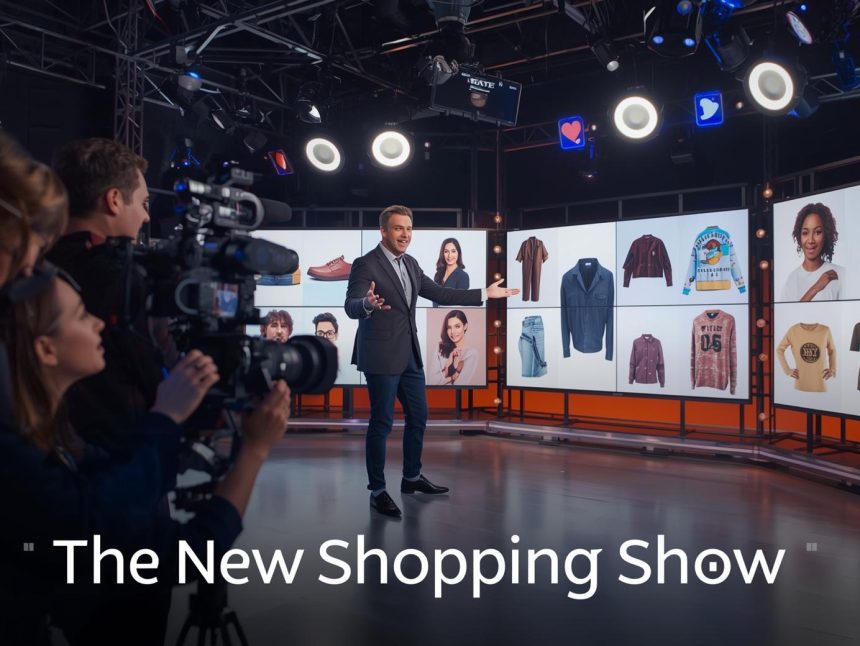
The way people shop has changed dramatically in the past five years. Instead of browsing endless product listings on e-commerce websites, many consumers now prefer live commerce, also known as livestream shopping. This trend combines real-time video with instant purchasing options, creating a shopping experience that is both interactive and entertaining. Live commerce is no longer a side experiment—it is now one of the fastest-growing pillars of social commerce, especially among younger audiences.
What Is Live Commerce?
Live commerce refers to shopping experiences hosted in real time, usually by influencers, celebrities, or brand representatives. These hosts demonstrate products, answer audience questions, and encourage viewers to purchase immediately, often with one-click checkout built into the livestream. Unlike traditional online shopping, live commerce brings products to life, adding a human element that enhances trust and engagement (Washington Post, 2024).
Popular platforms supporting live commerce include TikTok Live, YouTube Live, Instagram Live Shopping, Amazon Live, and in Asia, Taobao Live and Douyin. These platforms are designed to merge entertainment with commerce, making the buying process feel more natural and engaging.
The Global Growth of Live Commerce
The rise of live commerce is visible across multiple regions, and the numbers tell the story:
- In China, livestream shopping generated $480 billion in sales in 2023, accounting for about 17% of total e-commerce sales (McKinsey & Company, 2023).
- Globally, the live commerce market was worth $918.9 million in 2023 and is expected to reach $3.1 billion by 2031, growing at a compound annual growth rate (CAGR) of 16.7% (Washington Post, 2024).
- In the United States, livestream shopping reached $31 billion in sales in 2023 and is projected to rise to $68 billion by 2026 (Insider Intelligence, 2024).
- Surveys show that 78% of Gen Z and 74% of Millennials have joined livestream shopping events, compared to just 42% of Baby Boomers (Amra & Elma, 2025).
- In Southeast Asia, TikTok Shop’s livestream sessions were responsible for billions in sales, with Indonesia and Vietnam leading adoption (PromptCloud, 2025).
These figures show that live commerce is not a short-term experiment but a long-term shift in consumer behavior.
Why Livestream Shopping Works
There are several reasons live commerce resonates so strongly with modern consumers:
1. Real-Time Interaction
Viewers can ask questions during streams and receive instant answers from hosts. This direct engagement builds confidence in the product and reduces purchase hesitation.
2. Authenticity Through Influencers
When trusted influencers or creators showcase products live, the endorsement feels more authentic than traditional advertising. This element of social proof is central to live commerce’s effectiveness.
3. Urgency and Scarcity
Livestream events often feature limited-time offers, flash discounts, or product drops, which create urgency and drive impulse purchases. The fear of missing out (FOMO) is a powerful motivator.
4. Entertainment Value
Livestreams are not just about shopping—they feel like interactive shows. This mix of fun, storytelling, and commerce keeps audiences engaged far longer than static product pages.
5. Accessibility for Small Brands
Smaller businesses can compete with large retailers by leveraging live commerce. With engaging hosts and creative presentations, even small sellers can reach global audiences.
Case Studies of Success
China’s Taobao Live
China is the global leader in live commerce. During Alibaba’s Singles’ Day in 2022, livestream sales surpassed $7.5 billion within the first 30 minutes (McKinsey & Company, 2023). Influencers there have turned livestreaming into full-scale retail businesses.
Southeast Asia and TikTok Live
In Indonesia and Vietnam, TikTok Shop has transformed shopping. Many local sellers now rely heavily on daily live sessions to reach customers. TikTok’s integration of live commerce with viral short videos makes the region a testing ground for global strategies (PromptCloud, 2025).
The U.S. and Amazon Live
Amazon Live hosts thousands of live shows every month. These events feature creators reviewing gadgets, fashion, and lifestyle items, directly linking to Amazon checkout. While adoption is slower than in China, U.S. consumers are warming to the model (Insider Intelligence, 2024).
Challenges Facing Live Commerce
Even as it grows, live commerce faces challenges:
- Consumer Trust: Some shoppers remain skeptical of product quality. Fake promotions or misleading streams can harm credibility.
- Content Saturation: With thousands of live events daily, it is difficult for brands to stand out. Successful sessions require creative storytelling.
- Platform Dependency: Brands depend on platform algorithms for visibility. If reach drops, sellers must invest in paid promotions.
- Logistics and Fulfillment: After a successful live event, sellers must fulfill large order volumes quickly. Poor delivery experiences can discourage repeat purchases.
How Brands Can Succeed in Live Commerce
For businesses planning to enter livestream shopping, several strategies are essential:
- Partner with the Right Hosts – Choose engaging and authentic influencers who can connect with your target audience.
- Make Content Interactive – Use polls, giveaways, and live Q&A sessions to boost engagement.
- Focus on Mobile Optimization – Since most viewers watch on mobile, product visuals, captions, and checkout flows should be mobile-first.
- Balance Paid and Organic Reach – Promote livestreams with targeted ads to ensure strong attendance.
- Follow Up Post-Livestream – Retarget viewers with reminders, discounts, and personalized offers after the event ends.
Expert Insight
“Livestream shopping is where commerce feels alive. People want connection, not just transactions. That’s why live commerce is growing—it combines trust, fun, and urgency into one experience.”
— Mr. Phalla Plang, Digital Marketing Specialist
The Future of Live Commerce
The future points to deeper integration of technology and personalization. Artificial intelligence will allow livestream hosts to recommend products tailored to each viewer. Augmented reality (AR) will let customers try on clothes or visualize furniture in their homes while watching a live session.
By 2030, analysts predict that live commerce could account for 20% of global e-commerce, following China’s example (McKinsey & Company, 2023). The message for brands is clear: adopting live commerce now is the best way to stay ahead of changing consumer expectations.
Note
Live commerce has moved from trend to transformation. By merging entertainment with shopping, it creates an engaging, trust-filled experience that traditional e-commerce cannot match. While challenges like competition and fulfillment remain, the opportunities are far greater.
Brands that embrace creator partnerships, interactive content, and strong post-live strategies will be best positioned for success in the coming years. The future of e-commerce will not just be about clicks—it will be about connections, and live commerce is leading the way.
More Read

References
Amra & Elma. (2025, May 18). Top social commerce statistics 2025. Amraandelma.com. https://www.amraandelma.com/social-commerce-statistics
Insider Intelligence. (2024, July 22). Livestream shopping forecast 2024–2026. Insiderintelligence.com. https://www.insiderintelligence.com
McKinsey & Company. (2023, September). The future of live commerce: Lessons from China. McKinsey.com. https://www.mckinsey.com
PromptCloud. (2025, August). TikTok Shop data trends: How to turn viral products into opportunities. Promptcloud.com. https://www.promptcloud.com/blog/tiktok-shop-data-for-competitive-insights
Washington Post. (2024, November 13). Live commerce: How TikTok and Twitch are redefining shopping. Washingtonpost.com. https://www.washingtonpost.com/business/2024/11/13/live-commerce-tiktok-twitch