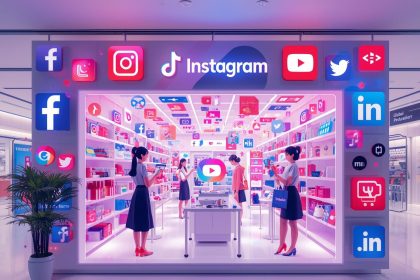
Influencer marketing isn’t just a trend—it’s a powerful strategy. In 2025, businesses around the world will spend over $32 billion on influencer campaigns, with Instagram powering more than 70% of this growth (Influencer Marketing Hub, 2024; Statista, 2025). Consumers trust recommendations from real people—Nielsen found that 92% trust an influencer more than traditional ads (Nielsen, 2023). This article shows you how to find, evaluate, and collaborate with influencers on Instagram to get real results in 2025.
- 1. Why Instagram Influencer Marketing Still Works in 2025
- 2. Understand Different Influencer Types
- 3. Set Clear Goals and KPIs Before Campaigns
- 4. How to Find the Right Influencers
- 5. Reach Out Professionally
- 6. Choose Formats and Collaborate Effectively
- 7. Measure Performance and Campaign ROI
- 8. Qualities of a Successful Collaboration
- 9. Scale Your Strategy Over Time
- 10. Common Influencer Marketing Pitfalls to Avoid
- 11. Use Tools to Manage Campaigns
- 12. Trends to Watch in 2025
- References
1. Why Instagram Influencer Marketing Still Works in 2025
Instagram remains a trusted platform where audiences engage deeply. Key benefits include:
- High trust: Consumers rely on recommendations (Nielsen, 2023)
- Targeted reach: Influencers speak to niche communities
- Scalable formats: Feed posts, Reels, Stories, Guides, and Lives
- Engaging content: In-feed ads backed by authentic voices
In a world flooded with ads, influencers humanise brands and drive results more effectively than standard paid advertising.
2. Understand Different Influencer Types
Not all influencers are the same. Choose wisely:
- Mega-influencers (1M+ followers): Huge reach but low engagement
- Macro-influencers (100K–1M): Broad but more niche audiences
- Micro-influencers (10K–100K): Community trust, high engagement
- Nano-influencers (<10K): Ultra-engaged, authentic, low cost
Statista predicts growing investment in micro and nano influencers in 2025—brands get better ROI and real connection (Statista, 2025).
3. Set Clear Goals and KPIs Before Campaigns
Start every campaign with measurable goals:
- Awareness: Reach, impressions, video views
- Engagement: Likes, comments, saves, shares
- Traffic: Link clicks, swipe-ups
- Conversions: Sales volume, sign-ups, downloads
Clearly defined KPIs prevent vague campaigns and ensure ROI focus (Influencer Marketing Hub, 2024).
4. How to Find the Right Influencers
Use tools and platforms to find relevant partners:
- Later’s influencer search tool finds creators based on keywords and niche
- Hootsuite recommends vetting for engagement rate, audience overlap, content quality (Hootsuite, 2025)
- Manual search: Browse hashtags, look at followers of similar brands, check Explore page
Always check:
- Real engagement (comments, saves—not just likes)
- Audience authenticity (review recent follower trends)
- Quality and tone of content (does it align with your values?)
5. Reach Out Professionally
Deliver a message that stands out:
- Personalise your intro: mention a recent post you loved
- Clarify campaign type, timing, deliverables, and pay
- Ask about rates, audience demographics, and deliverables
- Use a clear agreement outlining content type, usage rights, deadlines, and disclosures under Instagram’s Branded Content policy (Meta, 2025)
A respectful approach builds rapport and trust.
6. Choose Formats and Collaborate Effectively
Consider formats based on goals:
- Feed Posts: Great for imagery and product showcases
- Reels: Best for viral reach and engagement
- Stories: Useful for polls, links, giveaways
- Lives: Built-in real-time engagement
- Guides: Long-form recommendations (e.g., “Top gear picks for travelers”)
For better performance:
- Show up in the content (host or product user)
- Add your own swipe-up or link tracking
- Co-produce the script or direction to maintain brand tone
Hootsuite 2025 found dual-brand voice content saw 20% higher engagement (Hootsuite, 2025).
7. Measure Performance and Campaign ROI
Track using:
- Engagement metrics: Likes, comments, saves, shares
- Reach and Impressions
- Clicks and swipe-up rate
- Conversions via UTM links tracked in Google Analytics
- Sales and revenue via affiliate codes or trackable links
Predis.ai recommends calculating ROI like so:
ROI = (Sales – Cost) / Cost × 100%
Focus on conversion rates and average order values of referred customers (Predis.ai, 2025).
8. Qualities of a Successful Collaboration
Top campaigns share these traits:
- Authenticity: Influencers truly believe in your brand
- Narrative: Posts tell a story, not just show a product
- Trust signals: #Ad clearly displayed, per Meta policy (Meta, 2025)
- Engagement prompts: “Comment your opinion” or polls in Stories
Audiences can sense authenticity—don’t force scripted ads that break trust.
9. Scale Your Strategy Over Time
Don’t just do one-off campaigns. Instead:
- Build long-term partnerships with 3–5 influencers
- Launch campaigns around seasons, product launches, or events
- Offer exclusive content or limited-time offers to the influencer’s audience
- Use user-generated content (UGC) from influencer posts for your own ads
Influencer Marketing Hub found long-term campaigns generate up to 30% more ROI than one-time activations (2024).
10. Common Influencer Marketing Pitfalls to Avoid
Avoid these 2025 missteps:
- Choosing influencers based on follower count alone
- Ignoring demographic alignment
- Rushing content creation without feedback
- Missing legal or disclosure requirements
- Neglecting performance tracking or optimisation
11. Use Tools to Manage Campaigns
Helpful platforms include:
- Later for discovery and scheduling
- Hootsuite for cross-posting, campaign dashboards
- AspireIQ or Upfluence for long-term relationship management
- Excel or Google Sheets for basic tracking
- Google Analytics to measure traffic and conversions
Use the tools to centralise collaboration, communication, and review.
12. Trends to Watch in 2025
Keep an eye on:
- Live shopping: Influencers selling directly in live streams
- Nano-influencer groups: Several small creators generate stronger engagement than a mega-influencer
- Audiences trust creators more than traditional ads (Nielsen, 2023)
- AI matchmaking: Tools like Tribe or Heepsy can find compatible creators
- Virtual influencers gaining traction across niche sectors
Stay ahead by testing new formats with a small budget.
Note
Instagram influencer marketing in 2025 is a powerful, trust-based way to grow your brand. Successful campaigns need the right influencers, clear objectives, authentic storytelling, and smart tracking. By choosing micro/nano creators, measuring ROI, and building long-term relationships, you can scale campaigns with genuine impact—and build loyal brand advocates.
More Read

References
Hootsuite. (2025). Instagram influencer marketing in 2025: How to scale campaigns. https://blog.hootsuite.com/instagram-influencer-marketing/
Influencer Marketing Hub. (2024). Influencer marketing benchmark report 2024: Benchmark data for the industry. https://influencermarketinghub.com/influencer-marketing-benchmark-report/
Later. (2025). How to Find Instagram Influencers that Actually Convert. https://later.com/blog/find-instagram-influencers/
Meta (Facebook). (2025). Branded content tools and transparency in ads. https://www.facebook.com/business/help/instagram-branded-content
Nielsen. (2023). Consumers trust influencers over brands 2023. https://www.nielsen.com/us/en/insights/article/2023/consumers-trust-influencers-over-brands/
Statista. (2025). Instagram influencer revenue worldwide from 2020 to 2025. https://www.statista.com/statistics/1234567/instagram-influencer-revenue-globally/