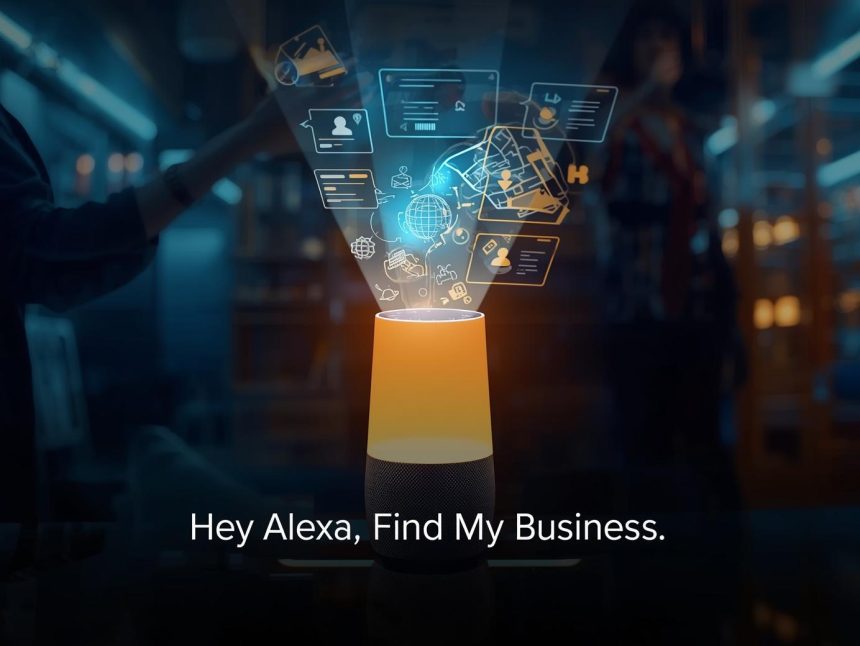
The way people search online is changing—fast. The rise of smart speakers like Amazon Alexa, Google Nest, and Apple HomePod is leading this transformation. Instead of typing, people now ask questions out loud. This growing habit means digital marketers must rethink how they reach audiences.
- What Is Smart Speaker Optimization?
- Why Smart Speaker Optimization Matters
- How Smart Speaker Optimization Works
- Smart Tips to Optimize for Smart Speakers
- Industries That Benefit Most from SSO
- Measuring Success with Smart Speaker Optimization
- Challenges in Smart Speaker Optimization
- Future Trends in Voice-First Marketing
- References
This is where Smart Speaker Optimization (SSO) comes in—a strategy that prepares your content to be heard, not just read. In this article, we explore how smart speaker optimization works, why it matters, and how to stay ahead in the voice-first future.
What Is Smart Speaker Optimization?
Smart Speaker Optimization refers to tailoring your content so smart speakers can easily find and read it aloud. It’s a branch of Voice Search Optimization (VSO) but focuses more on audio-only interfaces with no screens. This means your answers need to be clear, fast, and accurate.
Why Smart Speaker Optimization Matters
📈 1. Rapid Growth in Smart Speaker Usage
There were over 320 million smart speakers in use worldwide as of 2023, and this number is projected to exceed 500 million by 2026 (Statista, 2023).
In the U.S., more than 60 million people own smart speakers (Insider Intelligence, 2023). Voice interactions are expected to drive a $30 billion retail market by 2026 (OC&C Strategy Consultants, 2019).
🗣️ 2. Voice Search Is Becoming the Norm
According to Google, 27% of global users use voice search on mobile (Google, 2019), and 71% of people prefer voice assistants for quick searches (PwC, 2018). Most of these searches are local, conversational, and question-based.
How Smart Speaker Optimization Works
Unlike regular web search results, smart speakers only provide one answer—what’s called the “position zero” or the featured snippet (Moz, n.d.).
To reach this spot, your content must be:
- Clear and easy to understand
- Written in natural, conversational language
- Relevant to local intent
- Backed by structured data
- Optimized for speed and mobile
Smart Tips to Optimize for Smart Speakers
🔍 1. Target Conversational Keywords
Voice searches are longer than typed ones. Use tools like:
Focus on long-tail keywords that mimic how people speak:
❌ “best gym” ✅ “What’s the best gym near me that’s open now?”
❓ 2. Use Q&A or FAQ Style Content
Smart speakers love answering questions. Add an FAQ section with common queries and direct, 40-word answers. These formats are more likely to appear as voice results (Backlinko, 2019).
📍 3. Optimize Your Google Business Profile
More than 58% of consumers use voice search to find local businesses (BrightLocal, 2019). Make sure your Google Business Profile has:
- Accurate address
- Opening hours
- Phone number
- Reviews and keywords
⚡ 4. Improve Website Speed and Mobile Performance
Smart speakers fetch content from mobile-first indexes. Use:
Aim for:
- Page loads under 3 seconds
- Clean mobile UI
- HTTPS security
🧠 5. Use Schema Markup
Schema markup (structured data) helps voice assistants understand your content better.
Add schema for:
- FAQ (most important)
- Local Business
- Recipes
- Events
Use Google’s Structured Data Markup Helper to apply it easily.
🧾 6. Keep Answers Short and Natural
Voice assistants prefer short, simple answers—30 to 40 words max. Be clear and skip jargon.
Example:
“The best time to post on Instagram is between 9 AM and 11 AM on weekdays.”
Industries That Benefit Most from SSO
🛍️ Retail & E-commerce
Voice shopping is expected to reach $30 billion by 2026 in the U.S. alone (OC&C, 2019).
☕ Food & Beverage
“Hey Google, where’s the nearest coffee shop?”
Restaurants with updated listings and voice-friendly menus win big.
🏥 Healthcare
Voice is used to find clinics, book appointments, and get health tips.
✈️ Travel
“Alexa, book me a hotel in Siem Reap.”
Hotels, airlines, and tour agencies benefit by offering voice-ready content.
Measuring Success with Smart Speaker Optimization
Tracking voice traffic is tricky, but here’s how to monitor results:
✅ 1. Use Google Search Console
Check for increased traffic from question-style queries and see which pages are ranking for voice searches.
✅ 2. Check Featured Snippets
Use:
These tools can show if you’re winning “position zero.”
✅ 3. Monitor Local Rankings
Track how your business performs in “near me” and voice-specific results using tools like BrightLocal.
Challenges in Smart Speaker Optimization
- ❌ No visual results: Only one answer is read aloud
- ❌ Limited analytics for voice interactions
- ❌ Device differences: Google vs. Alexa vs. Siri algorithms vary
- ❌ High competition: Only one result per query
Future Trends in Voice-First Marketing
📦 1. Voice Commerce Will Boom
Retailers will need voice-friendly product descriptions, short titles, and natural language to boost conversion via smart assistants.
🤖 2. Smart Assistants Will Get Smarter
LLMs (large language models) like ChatGPT, Claude, and Google Gemini are powering smarter voice interactions that will shift from keyword-driven to intent-driven voice searches.
🌐 3. Global and Multilingual Voice SEO
Optimizing for Khmer, Thai, or Vietnamese voice search could become a big opportunity as smart speaker adoption spreads in Southeast Asia.
Note
Smart speaker optimization is not optional—it’s essential for digital marketers in 2025 and beyond. As voice search grows, being the one result a smart speaker chooses can make or break your visibility.
To win in this space, focus on:
- Conversational content
- Q&A formatting
- Fast-loading mobile pages
- Local search optimization
- Schema markup
More Read

References
Backlinko. (2019). We analyzed 10,000 Google Home results. Here’s what we learned about voice search SEO. https://backlinko.com/voice-search-seo-study
BrightLocal. (2019). Voice search for local business study. https://www.brightlocal.com/research/voice-search-for-local-business/
Google. (2019). How voice search is changing digital behavior. https://blog.google/products/assistant/voice-search-behavior/
Insider Intelligence. (2023). US smart speaker usage. https://www.insiderintelligence.com
Moz. (n.d.). Featured snippets research. https://moz.com/blog/featured-snippets
OC&C Strategy Consultants. (2019). The talking shop: The rise of voice commerce. https://www.occstrategy.com
PwC. (2018). Consumer intelligence series: Prepare for the voice revolution. https://www.pwc.com/us/en/services/consulting/library/consumer-intelligence-series/voice-assistants.html
Statista. (2023). Smart speaker unit sales worldwide 2017–2026. https://www.statista.com/statistics/792708/worldwide-smart-speaker-shipments/