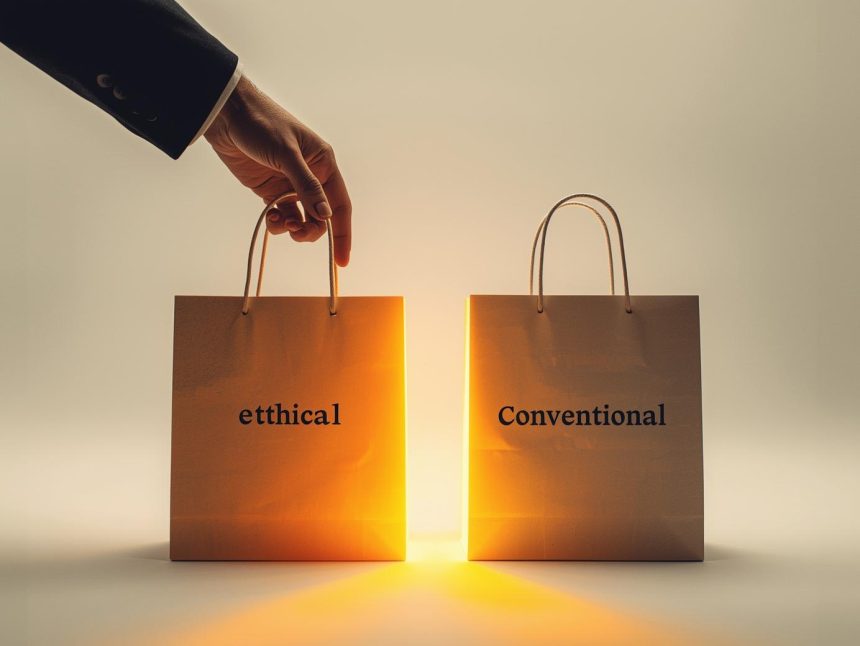
A quiet revolution is reshaping the world of marketing—and Gen Z is leading the charge. These young, socially aware digital natives don’t just buy products; they support causes. They demand more than convenience or price—they expect authenticity, action, and purpose.
For brands, this means adjusting not only what they say—but how they behave.
This article explores how Generation Z is reshaping the expectations of brands, what it means to market with integrity, and how to build meaningful relationships with conscious consumers in the age of activism.
Who Is Gen Z—and Why Do They Matter?
Generation Z—those born roughly between 1997 and 2012—grew up in an age of social upheaval, climate urgency, digital overload, and cultural change. These formative experiences shaped them into the most socially and environmentally conscious consumer group yet.
What the data says:
- 76% of Gen Z believe brands should take a stand on social issues (McKinsey & Company, 2021).
- 73% are willing to pay more for sustainable products (First Insight, 2022).
- 64% have boycotted a brand based on its social or political stance (Statista, 2021).
These figures reflect a generation that links values with spending—and they expect brands to do the same.
What Gen Z Expects from Brands
✅ 1. Authenticity
Gen Z has grown up on the internet and can spot performative marketing instantly.
- Be transparent about your values, your flaws, and your progress.
- Avoid polished corporate jargon. Use real voices, behind-the-scenes stories, and founder perspectives.
Key Insight: Authenticity doesn’t mean being perfect—it means being real.
✅ 2. Inclusivity
Gen Z celebrates diversity and demands representation in branding, leadership, and operations.
- Reflect real people in your ads—not just models.
- Embrace diverse creators and partners.
- Promote inclusion not just in products, but in company policy.
✅ 3. Purpose in Action
Gen Z isn’t impressed by good intentions—they expect measurable impact.
- Align with causes that connect with your brand DNA.
- Fund change, advocate publicly, and share the results.
- Turn slogans into systemic shifts.
✅ 4. Two-Way Engagement
This generation values co-creation. They want to help shape the future of the brands they support.
- Use polls, surveys, and open comments to get their input.
- Showcase user-generated content in campaigns.
- Host community events or forums for cause-led discussions.
Tool: Platforms like CrowdRiff can help brands source and share authentic visual content created by users.
How to Market to Gen Z with Integrity
🌍 1. Make Your Mission Clear
Your purpose should be more than a slogan—it should be a strategy.
Example: Patagonia doesn’t just talk about the environment. It donates all profits to climate efforts, encourages people not to overconsume, and leads grassroots activism.
📱 2. Communicate Where They Are
Gen Z spends time on platforms like TikTok, Instagram, and YouTube. But content must be:
- Short, real, and value-driven
- Focused on stories rather than products
- Delivered through creators they trust—not faceless ads
🌱 3. Back Up Every Claim
Gen Z will research your brand. That means no greenwashing, rainbow-washing, or empty words.
- Provide data, certifications, and links to sustainability or impact reports.
- Admit what you’re still working on.
- Highlight people and communities impacted by your initiatives.
Consider using third-party certifications such as B Corp or Climate Neutral to verify your efforts.
🎓 4. Educate and Inspire
Many Gen Z consumers are still forming brand preferences. Brands that empower them with knowledge build early trust.
- Create explainer videos on how products are made.
- Share tips on conscious living.
- Partner with nonprofits or influencers to build credibility.
Brands Getting It Right
✅ Fenty Beauty
From day one, Rihanna’s beauty brand was built around inclusivity. With over 40 foundation shades and campaigns that reflect gender, race, and body diversity, Fenty quickly became a Gen Z icon.
- Result: A cultural reset in the beauty industry and $100 million in sales in its first 40 days.
✅ Nike
Nike’s bold campaigns around Colin Kaepernick and women’s rights show that taking a stand can pay off.
- Despite backlash, Nike gained $6 billion in brand value post-campaign.
- Gen Z continues to see Nike as a brand of courage and conviction.
✅ Dr. Bronner’s
The soap company publishes its full ingredient list, worker wages, and donation recipients online. It’s a model of radical transparency.
- Donates over 10% of revenue to causes
- Engages customers with clear values and full disclosure
Avoid These Common Mistakes
| Mistake | Why It Backfires | What to Do Instead |
| Performative activism | Feels fake and exploitative | Align with causes you’ve supported long-term |
| Trend hijacking | Risks backlash | Stay true to your core mission |
| Silence on social issues | Seen as complicity | Speak up when it aligns with your values |
| Too much polish | Appears inauthentic | Show behind-the-scenes and real people |
Note
Gen Z is not just buying brands—they’re shaping them. They’re building a new consumer world: one where identity, activism, and authenticity are central to every decision.
To earn their attention—and loyalty—brands must stand for something real. They must speak truth, take action, and build meaningful community.
Because in this era, marketing isn’t just about selling—it’s about serving. And the brands that serve with purpose will lead the future.
More Read

References
- First Insight. (2022). The state of consumer spending: Gen Z shoppers demand sustainability. https://www.firstinsight.com/white-papers-posts/the-state-of-consumer-spending
- McKinsey & Company. (2021). True Gen: Generation Z and its implications for companies. https://www.mckinsey.com/industries/consumer-packaged-goods/our-insights/true-gen-generation-z-and-its-implications-for-companies
- Statista. (2021). Share of consumers boycotting brands that took or did not take a stand on social issues in the U.S. https://www.statista.com/statistics/1100788/us-consumers-boycotting-brands-activism
- WP Engine. (2021). Gen Z: The future of digital experiences. https://wpengine.com/resources/gen-z-digital-experiences/