Email marketing remains one of the highest-performing digital channels in 2025—but only when messages are relevant and personalized. That’s where email list segmentation comes in. Segmentation enables marketers to group subscribers based on shared characteristics or behavior and send more targeted, effective campaigns.
This article explains what segmentation is, why it matters, and how you can use it to increase your email conversions using the latest data and accurate references—formatted with APA 7-style citations.
What Is Email List Segmentation?
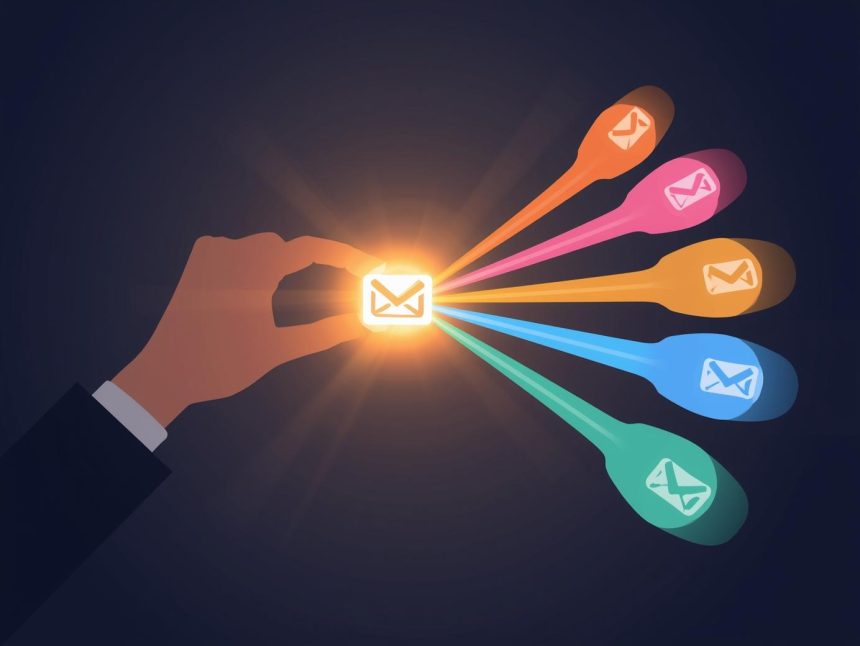
Email list segmentation is the practice of dividing your email subscribers into smaller groups based on specific criteria such as demographics, behavior, or purchase history. Instead of sending the same email to your entire list, segmentation helps you send personalized content to each group.
According to Mailchimp (2024), segmented email campaigns generate:
- 14.31% higher open rates
- 100.95% higher click-through rates (CTR)
- 9.37% lower unsubscribe rates
These improvements show how segmentation can directly boost engagement and performance.
Why Segmentation Drives Higher Conversions
Segmentation allows marketers to tailor messages that feel more relevant to individual subscribers. This improves customer experience and increases the likelihood of engagement and conversion.
A report by Campaign Monitor (2024) found that marketers who use advanced segmentation strategies achieve up to 760% more revenue from their email campaigns compared to those who don’t.
Segmentation helps you:
- Boost conversion rates by aligning offers with interests
- Reduce spam complaints and unsubscribes
- Enhance customer loyalty through personalized messaging
- Improve deliverability by increasing engagement rates
Segmentation Strategies That Work in 2025
1. Demographic Segmentation
This strategy groups subscribers by:
- Age
- Gender
- Education level
- Occupation
Demographic targeting is useful for brands with distinct product lines for different user types.
For example, an online fashion retailer may create separate campaigns for people of all genders offering different styles or promotions.
2. Geographic Segmentation
This approach involves grouping users based on:
- Country or city
- Time zone
- Climate or region-specific trends
Geographic segmentation is critical for local promotions or region-based events. Email marketers can also time sends based on local time zones, improving open rates (GetResponse, 2023).
3. Behavioral Segmentation
Behavioral data refers to how users interact with your brand, including:
- Browsing history
- Product views
- Abandoned carts
- Downloads or sign-ups
Behavioral segmentation leads to more effective retargeting campaigns. For instance, if a customer views a product but doesn’t purchase, sending a follow-up email with a related offer can increase conversions (GetResponse, 2023).
4. Purchase History Segmentation
Segment your list based on:
- Frequency of purchases
- Types of products bought
- Time since last purchase
You can use this information to:
- Upsell related products
- Offer loyalty rewards
- Re-engage lapsed buyers
Brevo (formerly Sendinblue) offers automation that allows marketers to dynamically group users by product interest or value tiers (Brevo, 2024).
5. Email Engagement Segmentation
Engagement metrics include:
- Open rate
- Click rate
- Replies or forwards
Segmenting by engagement level helps marketers:
- Re-engage inactive users
- Reward loyal subscribers with exclusive offers
- Reduce email fatigue among less active users
Highly engaged segments often show a 300% higher CTR than disengaged ones (Klaviyo, 2025).
6. Subscription Preferences
Let subscribers self-select their preferences during sign-up:
- Content type (e.g., blog updates vs. product offers)
- Email frequency
- Product categories of interest
Preference-based segmentation improves user satisfaction and reduces unsubscribe rates. Tools like Mailchimp make it easy to integrate preference centers into your sign-up process (Mailchimp, 2024).
7. Customer Lifecycle Stage
Marketers can also segment subscribers based on where they are in the customer journey:
- New subscribers
- Leads who haven’t purchased
- First-time buyers
- Repeat customers
- Churn-risk users
Campaigns tailored to lifecycle stages include:
- Welcome sequences
- Abandoned cart recovery
- Loyalty programs
- Win-back series
This kind of personalization drives more relevant communication and improves retention rates.
How to Implement Email Segmentation
Step 1: Collect the Right Data
Gather data through:
- Signup forms (e.g., location, interests)
- Website behavior tracking (via cookies or pixels)
- CRM integration (e.g., sales history, customer type)
Use a tool like ZeroBounce to ensure your data is clean and your list only includes valid, active email addresses.
Step 2: Choose a Segmentation Platform
Choose an email marketing platform with dynamic segmentation and automation, such as:
These tools allow real-time updating of segments based on subscriber behavior or attributes.
Step 3: Build Segments Based on Business Goals
Start with high-impact segments that match your goals. Examples:
- “High spenders last 30 days”
- “Opened last 3 campaigns but no clicks”
- “Viewed pricing page but didn’t sign up”
Use A/B testing to identify which segment-specific campaigns deliver the highest ROI.
Step 4: Track and Optimize Performance
Monitor these key metrics:
- Open rate
- Click-through rate (CTR)
- Conversion rate
- Unsubscribe rate
- Revenue per email
Compare segmented vs. non-segmented results to determine what works best. Klaviyo (2025) recommends tracking performance over 30-day cycles to detect behavioral shifts.
Real-World Example: How Spotify Uses Segmentation
Spotify segments its email audience based on:
- Listening behavior
- Playlist preferences
- Subscription type (free vs. premium)
- Device usage (mobile vs. desktop)
As a result, users receive personalized emails like “Your top artists this month” or “Made for you playlists,” which result in significantly higher engagement and conversions (Litmus, 2025).
You don’t need a billion-dollar platform to do the same. With tools like ConvertKit or MailerLite, even small businesses can segment by click behavior or tag users based on email interactions.
Email Metrics: Segmented vs. Non-Segmented Campaigns (2024–2025)
| Metric | Non-Segmented | Segmented |
| Open Rate | 21.33% | 24.38% |
| Click Rate | 2.62% | 5.27% |
| Conversion Rate | 1.2% | 3.1% |
| Unsubscribe Rate | 0.49% | 0.30% |
(Sources: Mailchimp, 2024; Campaign Monitor, 2024)
Top Tools for Email Segmentation in 2025
| Tool | Best Feature | Website |
| Mailchimp | Prebuilt segment templates | Visit |
| ActiveCampaign | Conditional logic + CRM integration | Visit |
| Klaviyo | Ecommerce-driven customer segmentation | Visit |
| Moosend | Easy-to-use visual automation builder | Visit |
| Brevo | Real-time behavior segmentation | Visit |
Note
In 2025, if you’re still sending one-size-fits-all emails, you’re leaving conversions—and revenue—on the table. Segmentation helps you reach people with the right message, at the right time, using the right tone.
Start simple:
- Segment by engagement or geography
- Test targeted offers for repeat vs. first-time customers
- Gradually evolve into behavioral and lifecycle-based segmentation
As your segmentation improves, so will your open rates, click-throughs, and conversions. Better targeting builds better relationships—and that leads to long-term business success.
More Read

References
Brevo. (2024). Behavioral segmentation and targeting tools. https://www.brevo.com/
Campaign Monitor. (2024). Email marketing benchmarks report 2024. https://www.campaignmonitor.com/resources/guides/email-marketing-benchmarks/
GetResponse. (2023). Email segmentation strategies that improve ROI. https://www.getresponse.com/blog/email-segmentation
Klaviyo. (2025). How behavioral segmentation drives engagement. https://www.klaviyo.com/blog
Litmus. (2025). Email personalization and engagement trends. https://www.litmus.com/resources/
Mailchimp. (2024). Benefits of email segmentation. https://mailchimp.com/resources/email-segmentation/
ZeroBounce. (n.d.). Improving segmentation through email validation. https://www.zerobounce.net/