In 2025, customers no longer want one-size-fits-all marketing. They want timely, relevant, and personalized experiences—delivered at just the right moment. For marketers and sales teams, this means using two powerful strategies together: CRM data segmentation and customer journey mapping.
- What is CRM Data Segmentation?
- Why Segmentation Matters in 2025
- Types of CRM Segmentation
- What is Customer Journey Mapping?
- Five Key Stages of a Typical Customer Journey
- How CRM Supports Journey Mapping
- Combining Segmentation + Journey Mapping: A Powerful Strategy
- Top CRM Tools for Segmentation and Journey Mapping
- Best Practices for CRM Segmentation and Journey Mapping
- Common Mistakes to Avoid
- References
In this article, we’ll explore what these strategies mean, why they matter, and how to use them to turn leads into loyal customers.
What is CRM Data Segmentation?
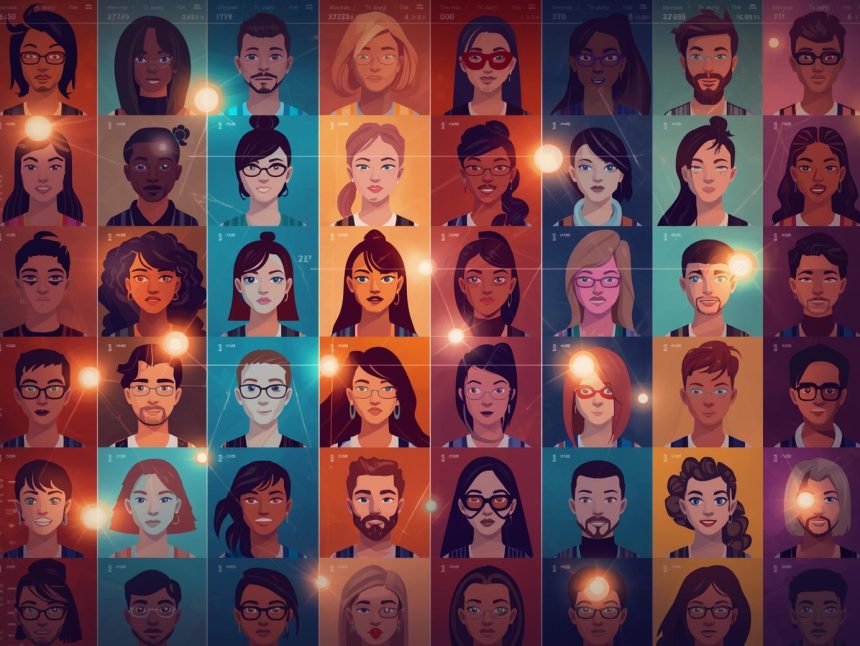
CRM segmentation is the process of organizing your contact database into smaller, meaningful groups—or segments—based on shared traits like behavior, location, lifecycle stage, or purchase history. This allows you to deliver targeted messages that feel personal and timely.
For example:
- New subscribers can receive a welcome series
- Past buyers can receive loyalty offers
- Cart abandoners can get reminders or incentives
Modern CRM tools like HubSpot, Zoho CRM, ActiveCampaign, and Klaviyo make segmentation simple with real-time data filters and automated workflows.
Why Segmentation Matters in 2025
Personalization drives results—and segmentation is the engine behind it. Campaign Monitor (2024) found that segmented email campaigns deliver 14.3% higher open rates, 100.95% more clicks, and 760% more revenue compared to non-segmented ones.
CRM segmentation helps businesses:
- Increase relevance by sending content users care about
- Reduce unsubscribes and improve customer satisfaction
- Automate marketing flows based on specific behaviors
- Identify opportunities for upsells, reactivation, or loyalty rewards
This strategy transforms how you communicate, enabling smarter, scalable marketing.
Types of CRM Segmentation
Let’s break down the most common types of segmentation used in CRM marketing:
1. Demographic Segmentation
Groups contacts based on age, gender, job title, or location.
Example: A clothing brand might send winter gear promotions only to customers in colder regions.
2. Behavioral Segmentation
Segments based on how users interact—clicks, downloads, purchases, or time on site.
Example: If a customer views a product category multiple times, send a recommendation email.
3. Lifecycle Stage Segmentation
Targets contacts based on their funnel position: new lead, marketing-qualified lead (MQL), sales-qualified lead (SQL), customer, or promoter.
Example: New leads receive education content; long-term customers get loyalty perks.
4. Purchase History Segmentation
Groups customers based on previous orders—what they bought, how often, and how much.
Example: If someone purchases every month, they’re a great fit for a subscription or VIP tier.
5. Engagement Segmentation
Segments users based on their activity level—opens, clicks, or site visits.
Example: Send reactivation campaigns to subscribers who haven’t opened an email in 60+ days.
What is Customer Journey Mapping?
Customer journey mapping is the process of visually mapping every touchpoint a customer experiences—from first discovery to loyal advocacy. It helps you identify:
- Where leads drop off
- What messages they need at each stage
- How to improve conversion and retention
Instead of guessing, you map out the actual steps your customer takes and design content or campaigns that move them forward.
According to McKinsey & Company (2023), organizations that manage journeys well see 20% higher customer satisfaction, 15% lower churn, and 25–50% greater revenue growth than those that focus only on touchpoints.
Five Key Stages of a Typical Customer Journey
- Awareness – The user first learns about your brand
- Consideration – They explore solutions and compare
- Decision – They buy from you (or not)
- Retention – They continue to use and engage
- Advocacy – They refer others and leave reviews
Each stage requires different messages, timing, and channels.
How CRM Supports Journey Mapping
Your CRM provides the behavioral and transactional data needed to map journeys accurately:
- Email opens and click history
- Web page visits
- Sales funnel position
- Customer service interactions
- Product usage data
Tools like HubSpot, Salesforce Marketing Cloud, and ActiveCampaign even let you build automated workflows based on journey stages.
For example:
- A visitor who downloads a whitepaper enters the consideration stage
- If they click on a pricing page, you trigger a sales sequence
- After purchasing, they’re moved to a thank-you and onboarding workflow
Combining Segmentation + Journey Mapping: A Powerful Strategy
When you combine segmentation with journey mapping, you can:
- Send content that’s relevant to both the person and their current needs
- Build automation that adapts as behavior changes
- Drive higher engagement and conversion rates
Example: Fitness App Funnel
| Stage | Segment | Campaign Example |
| Awareness | New subscribers | Welcome email + success stories |
| Consideration | Free trial users | Comparison emails + benefits checklist |
| Decision | Active trial users | Limited-time offer |
| Retention | Paying subscribers | Weekly tips + upsell offers |
| Advocacy | Long-term users | Referral rewards + review requests |
Using CRM segmentation, each campaign is personalized, relevant, and sent at exactly the right moment.
Top CRM Tools for Segmentation and Journey Mapping
| Tool | Best For |
| HubSpot | End-to-end mapping and smart segmentation |
| ActiveCampaign | Email-based automation by behavior |
| Klaviyo | eCommerce segmentation and flows |
| Zoho CRM | Budget-friendly dynamic lists |
| Salesforce Marketing Cloud | Enterprise-level journey design |
| Brevo | Simple segmentation with email/SMS |
Best Practices for CRM Segmentation and Journey Mapping
To make your strategy effective:
- Use real-time data: Keep your CRM synced with live user behavior
- Create dynamic segments: Let lists update automatically as data changes
- Automate by stage: Set up journey-based workflows for each funnel step
- Limit your segments: Focus on the few that drive the most impact
- Review and refine: Use A/B testing and campaign reports to improve over time
Common Mistakes to Avoid
❌ Using static lists – Instead, use dynamic rules that adapt to behavior
❌ Skipping middle journey stages – Don’t just focus on acquisition or sales—focus on retention and advocacy too
❌ Too many segments – Over-segmentation adds complexity and weakens messaging clarity
❌ No journey alignment – Avoid sending the same message to leads and loyal customers
Note
CRM segmentation and journey mapping are essential strategies for modern marketers. They help you deliver personalized, timely, and relevant experiences that build trust and increase conversions.
Whether you’re running an email campaign, launching a product, or managing customer success, these two strategies give you the power to move beyond “one-size-fits-all” and start delivering experiences your customers actually want.
With tools like HubSpot, Klaviyo, and ActiveCampaign, you don’t need a large team or a huge budget to succeed—you just need a smart strategy and the right data.
More Read

References
Campaign Monitor. (2024). Email marketing benchmarks. https://www.campaignmonitor.com/resources/guides/email-marketing-benchmarks/
HubSpot. (2025). CRM features and automation tools. https://www.hubspot.com/products/crm
Klaviyo. (2025). The importance of journey-based email. https://www.klaviyo.com/blog/customer-journey-mapping
McKinsey & Company. (2023). Customer journey insights: Fuel for growth. https://www.mckinsey.com/business-functions/growth-marketing-and-sales/our-insights/the-three-cs-of-customer-satisfaction-consistency-consistency-consistency
Salesforce. (2023). State of the connected customer. https://www.salesforce.com/resources/research-reports/state-of-the-connected-customer/
Zoho. (2025). Customer segmentation tools. https://www.zoho.com/crm/features/customer-segmentation.html