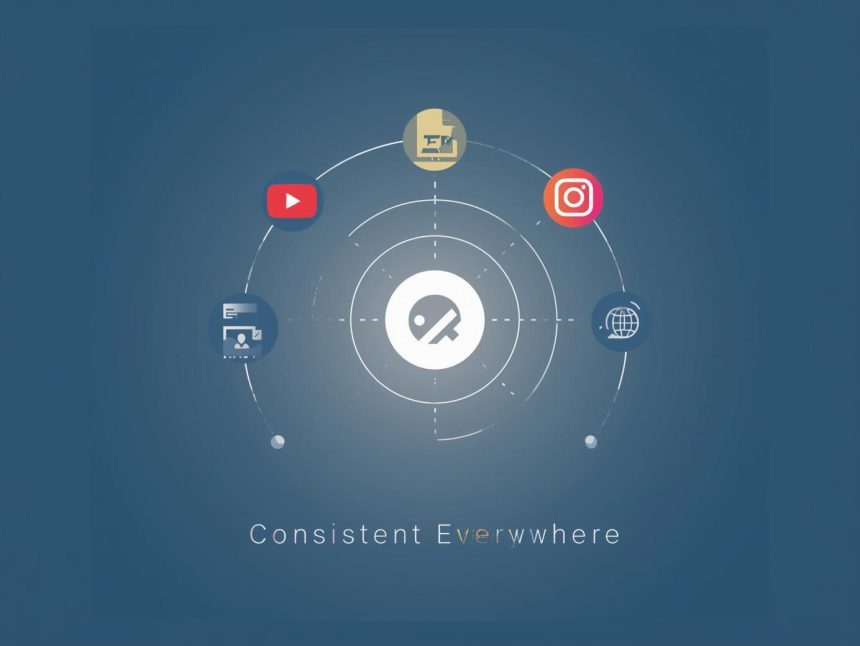
In today’s digital age, consumers interact with brands across various platforms—from websites and blogs to social media, email, video, podcasts, and messaging apps. This shift has made multichannel marketing essential for reaching and engaging modern audiences. However, the key to success is not just being present on multiple channels—it’s about creating consistent, tailored content that resonates across each platform.
This article explores how to design a content strategy for multichannel marketing, what tools can support it, and how to balance brand consistency with personalisation. Using the E-E-A-T principles—Experience, Expertise, Authoritativeness, and Trustworthiness—we’ll also explore best practices and real-world examples to help businesses grow effectively through content.
What Is Multichannel Marketing?
Multichannel marketing is the practice of using multiple platforms—both online and offline—to promote a brand, product, or service. These may include:
- Websites and blogs
- Email newsletters
- Social media (Facebook, LinkedIn, Instagram, TikTok)
- Messaging apps (WhatsApp, Telegram)
- YouTube and podcasts
- Paid ads and SEO content
- Events, webinars, or even print materials
According to Salesforce (2023), 78% of consumers expect consistent interactions across digital channels, and 68% have switched brands due to poor multichannel experiences. This makes coordinated content creation more important than ever.
Why Multichannel Content Strategy Matters
- Audience Preferences Vary
Some users prefer email, others follow on TikTok, while others still rely on blog articles or YouTube. A single-channel strategy risks missing key segments. - Improves Brand Visibility
Multiple channels increase your chances of being discovered—especially with integrated SEO, social media, and ads. - Drives Higher Engagement and Conversions
Marketers using three or more channels see 494% higher order rates than those using a single channel (Omnisend, 2024). - Reinforces Messaging Through Repetition
Hearing the same brand message across platforms helps it stick—especially when each touchpoint is tailored to the platform.
Step-by-Step Guide to Content Creation for Multichannel Marketing
1. Define Your Core Message and Audience Personas
Before jumping into content creation, define your core brand message. What problem are you solving? Who are you speaking to?
Use tools like:
Each channel may require a different tone, format, or visual style—but the core message should remain unified.
2. Choose the Right Channels Based on Audience Behaviour
Not every platform is necessary. Focus on where your audience actually engages.
| Audience Type | Best Channels |
| B2B Professionals | LinkedIn, Email, Webinars, Blogs |
| Gen Z Consumers | TikTok, Instagram, YouTube Shorts |
| eCommerce Shoppers | Instagram, Email, Facebook Ads |
| Tech-Savvy Users | Reddit, Twitter, Podcasts |
According to Statista (2024), TikTok now reaches 43% of users aged 18–24, while LinkedIn remains the top channel for B2B content.
3. Create a Centralised Content Calendar
To ensure message consistency and timing, use a master content calendar that maps:
- Content topics
- Formats (text, image, video, audio)
- Channels
- Publishing dates
- Owners/responsible team members
Tools like CoSchedule, Trello, or Notion can help teams coordinate content across departments.
4. Tailor the Content to Each Channel
While the message is unified, each channel has its own rules:
| Channel | Ideal Format | Best Practice |
| Website | Long-form blog posts | SEO-optimised with keywords |
| Visuals + short captions | Use hashtags, Reels for reach | |
| Thought leadership posts | Formal tone, B2B relevance | |
| YouTube | Educational/inspirational videos | Include CTAs and descriptions |
| Personalised newsletter copy | Segment lists, track open rates | |
| TikTok | Short, fast-paced videos | Trends, music, and visuals matter |
Tip: Repurpose content. A blog post can become:
- A YouTube video script
- A LinkedIn post
- A carousel for Instagram
- A quote-based tweet
- A newsletter highlight
This strategy maximises return on your content efforts.
5. Maintain Brand Consistency Across All Channels
Use brand guidelines for:
- Logos and fonts
- Tone and voice
- Colour schemes
- Messaging pillars
This helps build trust and familiarity, even if users encounter your brand on different platforms. According to Lucidpress (2023), consistent branding increases revenue by up to 33%.
6. Automate and Schedule Smartly
Use automation tools to plan and deliver your content without manual effort:
- Buffer and Hootsuite for social media scheduling
- Mailchimp for email campaigns
- Zapier to connect multiple apps and streamline workflow
- ContentStudio for unified publishing across channels
However, always monitor for real-time engagement and adjust accordingly.
7. Measure Performance by Channel and Content Type
Use analytics dashboards to assess:
- Engagement (likes, comments, shares)
- Click-through and open rates
- SEO ranking changes
- Conversion and sales data
Tools:
- Google Analytics 4
- Meta Business Suite
- YouTube Studio
- LinkedIn Analytics
- Email analytics in Mailchimp or HubSpot
Based on results, adjust your content formats, post times, or channel priorities.
Case Study: Multichannel Content in Action
Example: Adobe’s Creative Cloud Campaign
Adobe tailored a global campaign across platforms:
- YouTube: Tutorial videos
- Instagram: Creative user-generated content
- Email: Tips based on user activity
- Website: Detailed case studies
- LinkedIn: Professional insights from designers
By keeping the message (“Creativity for All”) consistent but tailored for each platform, Adobe saw a 12% increase in user engagement and 18% boost in paid subscriptions (Adobe, 2024).
Example: Shopify’s B2B Content Strategy
Shopify creates content on:
- Blog: eCommerce guides
- LinkedIn: Industry trends and updates
- YouTube: Store setup tutorials
- Email: Abandoned cart messages
Their multichannel approach helped them reach different audience stages—awareness, consideration, and conversion—more effectively (Shopify, 2023).
Challenges to Watch Out For
- Content fatigue: Posting too frequently with low-quality content can lead to audience burnout.
- Inconsistent tone or message: Can confuse users and reduce trust.
- Lack of platform-specific knowledge: Leads to poor engagement.
- Over-automation: Can make the brand feel robotic or disconnected.
Future Trends in Multichannel Content Creation
- AI-Powered Personalisation
AI will increasingly help segment audiences and generate tailored content per user or persona (e.g., via ChatGPT Enterprise or Persado). - Voice and Conversational Channels
Smart speakers, chatbots, and voice search will be integrated into multichannel strategies. - Interactive Content
Polls, quizzes, and interactive videos will boost engagement on platforms like Instagram Stories, LinkedIn polls, or YouTube Cards. - Cross-Device Optimization
Marketers must ensure content looks and feels consistent across mobile, tablet, and desktop screens.
Note
Content creation for multichannel marketing is no longer optional—it’s foundational to modern marketing success. Brands must understand where their audience spends time, create content tailored for each platform, and maintain a consistent, trustworthy message.
By combining central planning, platform-specific optimisation, and ongoing analytics, marketers can build strong relationships across the buyer journey—no matter the channel.
Remember: Don’t just post everywhere. Post the right thing, in the right place, at the right time.
More Read

References
Adobe. (2024). Creative Cloud Campaign Report. https://www.adobe.com
Lucidpress. (2023). The Impact of Brand Consistency on Revenue. https://www.marq.com/blog/brand-consistency
Omnisend. (2024). Omnichannel Marketing Automation Stats. https://www.omnisend.com/blog/omnichannel-statistics
Salesforce. (2023). State of the Connected Customer. https://www.salesforce.com/resources/research-reports/state-of-the-connected-customer/
Shopify. (2023). Shopify Case Studies and Content Strategy. https://www.shopify.com/blog/content-marketing
Statista. (2024). Social Media Usage by Platform and Age Group. https://www.statista.com/statistics/tiktok-age-group