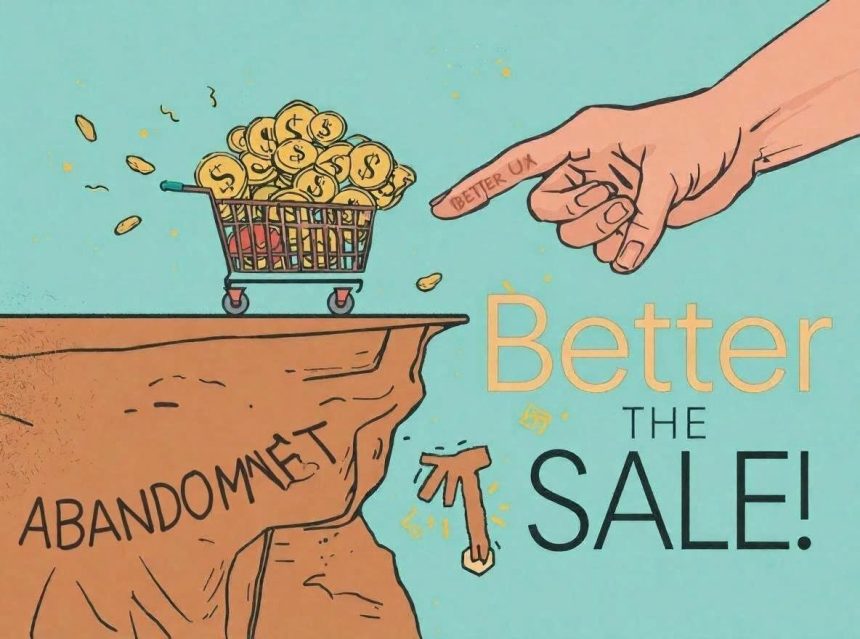
Shopping cart abandonment is one of the costliest problems in eCommerce. On average, 70.19% of online shopping carts are abandoned globally (Baymard Institute, 2025). The situation is even worse on smartphones, where 85.2% of shoppers leave before checkout (Cropink, 2025). These numbers show that the majority of lost sales happen at the final step—the checkout process.
The good news? Many of these drop-offs can be prevented through checkout optimization and user experience (UX) improvements. In 2025, customers expect a checkout that is fast, mobile-friendly, transparent, and secure. By simplifying the process, eCommerce businesses can significantly reduce abandonment rates and boost conversions.
As Mr. Phalla Plang, Digital Marketing Specialist, explains:
“Improving checkout is not just about design—it’s about respecting the shopper’s time. The smoother the experience, the higher the conversion.”
Why Customers Abandon Checkout
Research shows that most abandonment reasons are tied to checkout and UX problems rather than product interest. According to Baymard Institute (2025), the leading reasons are:
- Extra costs (48%) such as shipping, taxes, and hidden fees.
- Forced account creation (26%), with no option for guest checkout.
- Complicated checkout (22%), requiring too many steps or form fields.
- Payment security concerns (18%).
- Slow delivery or limited shipping options (17%).
This means that businesses can recover significant revenue by addressing these pain points.
The Business Impact of Checkout Optimization
The benefits of checkout optimization are clear:
- Conversion increases by up to 35% when checkout is streamlined (Baymard Institute, 2025).
- Transparent pricing reduces cart abandonment by 20% (Baymard Institute, 2025).
- Guest checkout recovers ~25% more sales compared to forced registration (Hotjar, 2024).
- Mobile-optimized checkout lowers abandonment by 12–15% (Statista, 2025).
These numbers highlight that even small UX improvements can translate into big revenue wins.
Key Strategies to Optimize Checkout
1. Enable Guest Checkout
Requiring account creation is the second most common reason for abandonment. Offering guest checkout allows customers to buy quickly without creating an account. You can encourage account signup after purchase by offering perks like faster tracking or loyalty points.
2. Reduce Form Fields
Lengthy forms discourage shoppers. Baymard (2025) recommends 6–8 key fields (name, email, shipping address, payment info) instead of 15+. Simplifying forms can increase conversion rates by 20%.
3. Offer Multiple Payment Methods
Shoppers abandon when their preferred payment isn’t available. Provide diverse options such as:
- Credit/debit cards
- Digital wallets (PayPal, Apple Pay, Google Pay)
- Buy Now, Pay Later services (Klarna, Afterpay)
4. Be Transparent With Costs
Hidden fees are the #1 abandonment reason (48%). Display shipping, tax, and fees upfront—ideally on the product page. Transparency builds trust and prevents checkout surprises.
5. Mobile-First Checkout Design
With 85.2% mobile abandonment (Cropink, 2025), checkout must be optimized for small screens:
- One-page checkout
- Autofill for shipping and billing
- Large CTA buttons for easier tapping
6. Provide Express Checkout Options
One-click checkout solutions like Shopify’s Shop Pay and Bolt allow customers to pay in seconds. Amazon’s “Buy Now” button is the gold standard—reducing friction and saving sales.
7. Add Trust Signals
Include SSL certificates, secure payment badges, and customer reviews. Shoppers who trust your site are more likely to complete a purchase.
8. Offer Live Chat or Chatbot Support
If shoppers have unanswered questions, they often leave. Offering real-time support during checkout reduces abandonment and improves trust.
9. Use Progress Indicators
Checkout progress bars show customers how many steps remain. This reduces uncertainty and improves completion rates.
10. Add Exit-Intent Popups
If a customer moves to exit checkout, trigger a special offer popup (e.g., 10% off or free shipping) to convince them to stay.
Tools to Improve Checkout Experience
Several tools help businesses optimize checkout flows:
- Shopify Plus – Customizable checkout for enterprise.
- BigCommerce – Optimized checkout templates.
- Stripe – Secure, flexible payment processing.
- Bolt – One-click checkout solution.
- PayPal One Touch – Faster repeat checkouts.
Measuring Checkout Optimization Success
Key metrics to track include:
- Cart abandonment rate – % of carts not completed.
- Checkout conversion rate – % of sessions that end with a purchase.
- Form completion rate – Where users abandon form fields.
- Mobile vs desktop conversions – Compare performance by device.
Analytics tools like Google Analytics and heatmap tools like Hotjar can identify problem areas in checkout flow.
Future Trends in Checkout UX (2025 and Beyond)
- AI-driven checkout: AI predicts the best payment and shipping options for each shopper.
- Passwordless checkout: Biometric login (Face ID, fingerprint).
- Voice-assisted checkout: Completing purchases via Alexa or Google Assistant.
- Social commerce checkout: Shoppers completing purchases directly inside TikTok, Instagram, and YouTube.
Note
With 70% of carts abandoned globally, checkout is the most critical step to optimize in 2025. By enabling guest checkout, reducing form fields, offering multiple payment options, designing for mobile, and adding trust signals, businesses can dramatically lower abandonment rates.
As Mr. Phalla Plang emphasizes:
“Checkout optimization is not just about reducing friction—it’s about creating trust and convenience so customers feel confident to complete their purchase.”
In 2025, the brands that invest in seamless, transparent, and mobile-first checkout flows will be the ones turning abandoned carts into loyal customers.
More Read

References
- Baymard Institute. (2025). Cart abandonment rate statistics. Retrieved from https://baymard.com/lists/cart-abandonment-rate
- Cropink. (2025). Cart abandonment statistics [2025 update]. Retrieved from https://cropink.com/cart-abandonment-statistics
- Hotjar. (2024). Cart abandonment stats and strategies. Retrieved from https://www.hotjar.com/blog/cart-abandonment-stats/
- Statista. (2025). Mobile share of eCommerce traffic and conversions. Retrieved from https://www.statista.com/