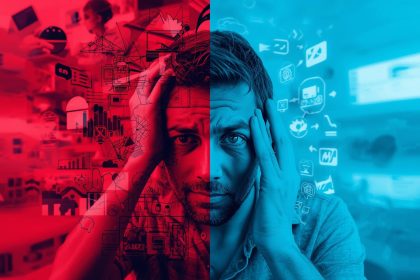
In a world flooded with digital content, brands face a key challenge: grabbing attention fast and keeping it. One of the most effective ways to do that today is through animation. Once limited to cartoons and entertainment, animation has become a serious tool in digital marketing, helping brands stand out, simplify complex messages, and drive engagement.
This article explores why animation is essential in modern digital marketing, which formats work best, and how businesses can implement animated strategies to build stronger customer connections and boost results.
What Is Animation in Digital Marketing?
Animation in digital marketing means using motion graphics, characters, and visual storytelling to communicate messages online. This includes everything from animated product explainers and logo reveals to motion-infused social media posts and video ads.
With the rise of easy-to-use platforms like Vyond, Canva, and Toonly, even small businesses can now produce professional animated content affordably.
Why Animation Works So Well
1. It Captures Attention Instantly
According to Statista (2023), the average attention span online is just 8.25 seconds. In this environment, movement is your best friend. Animated visuals naturally stand out in feeds and websites, making users pause and engage.
2. It Simplifies Complex Ideas
Brands often need to explain how products or services work. Animation can turn complicated concepts into simple, visual stories. In fact, Wyzowl (2023) found that 96% of people have watched an explainer video to learn more about a product, and 88% say that video convinced them to make a purchase.
3. It Boosts Conversions and Engagement
Video and animation increase user action. Landing pages with animation or video can improve conversion rates by up to 80% (Unbounce, 2022). This means more leads, signups, and sales from the same traffic.
4. It Builds Brand Personality
Animation helps express your brand’s tone, values, and style. From playful characters to slick motion graphics, animated content allows you to connect emotionally and stand out from competitors.
Common Types of Animation in Marketing
Explainer Videos
These short animations (typically 60–90 seconds) demonstrate how something works in a fun, easy-to-understand way. They’re ideal for landing pages, email campaigns, and product launches.
Tool: Powtoon
Animated Logos
A motion-enhanced logo adds professionalism and polish to brand intros and videos.
Tool: Renderforest Logo Animation
Motion Infographics
Data becomes easy and engaging when animated into charts, icons, and graphs that move.
Tool: Visme
Character Animation
Cartoon-style characters tell stories, explain products, or interact with users. They’re particularly effective for e-learning, onboarding, and storytelling.
Tool: Animaker
GIFs and Micro-Animations
Small, looping animations for emails or social media posts boost click-through rates and engagement.
Tool: Biteable
Where to Use Animation in Your Strategy
- Websites: Animated banners, hover effects, and explainer videos increase time-on-site.
- Emails: Litmus (2023) reports that adding animation to emails increases click-through rates by up to 26%.
- Social Media: Motion graphics are more likely to be shared, liked, and remembered.
- Product Demos: Replace bulky manuals with short, clear animated videos that show instead of tell.
- Training & Onboarding: Use animated modules to teach employees or users in an engaging format.
Real-World Examples
Dropbox
Dropbox famously used a simple animated explainer video in its early days. That video helped grow its customer base by 100,000 users without major advertising (Wyzowl, 2023).
Headspace
The meditation app built a recognizable brand identity using soothing animated characters that reflect calmness and emotional clarity.
Google Doodles
Google frequently replaces its homepage logo with interactive or animated doodles, driving millions of user interactions and boosting engagement without paid ads.
How to Get Started with Animation
1. Define Your Goal
Are you looking to explain a product, increase brand awareness, or boost engagement? The animation style you choose should reflect that.
2. Start with a Script
A great animation starts with a clear script and message. Avoid overloading your content—simplicity sells.
3. Use the Right Tools
Use drag-and-drop platforms if you’re just starting out:
4. Keep It Short
Aim for videos between 30 to 90 seconds for maximum engagement.
5. Make It Mobile-Friendly
Optimise animations for small screens and fast loading times—most users are on mobile.
6. Add Subtitles
Since 85% of videos on social media are watched without sound, captions ensure your message is still delivered (HubSpot, 2023).
SEO and Animation: A Winning Combo
While animation itself can’t be “read” by search engines, it improves engagement metrics like bounce rate, dwell time, and sharing—all of which help SEO.
Tips for SEO-friendly animation:
- Add alt text and captions
- Use a transcript for animated videos
- Host animations on YouTube or Vimeo and embed them with metadata
The ROI of Animation
According to Vidyard (2023), 91% of marketers say video and animation are key to their strategies, and companies using video grow revenue 49% faster than those that don’t.
Animation often has a higher return on investment than traditional ads because it’s more engaging, reusable, and adaptable across platforms.
Challenges to Keep in Mind
- Time and Budget: High-quality animation requires planning and resources.
- Overuse: Too many animations can be distracting or slow down your site.
- Poor Design: Low-quality animation can hurt your credibility, so always focus on clarity and brand consistency.
Note
Animation isn’t just a fun extra—it’s a strategic powerhouse in modern marketing. It boosts attention, explains complex ideas, and converts passive viewers into active customers. As digital competition grows, businesses that embrace animation will stand out, connect more deeply, and drive better results.
Whether you’re just getting started or expanding your digital toolkit, animation is one of the smartest investments you can make in your marketing journey.
More Read

References
HubSpot. (2023). The state of video marketing in 2023. HubSpot Blog. https://blog.hubspot.com/marketing/state-of-video-marketing-new-data
Litmus. (2023). Email marketing benchmarks and engagement. https://www.litmus.com/blog/email-marketing-benchmarks/
Statista. (2023). Average attention span of internet users. https://www.statista.com/statistics/1291552/average-attention-span-worldwide/
Unbounce. (2022). Video landing page stats. https://unbounce.com/landing-page-articles/video-landing-pages/
Vidyard. (2023). 2023 video in business benchmark report. https://www.vidyard.com/blog/video-benchmark-report/
Wyzowl. (2023). The state of video marketing 2023. https://www.wyzowl.com/video-marketing-statistics/