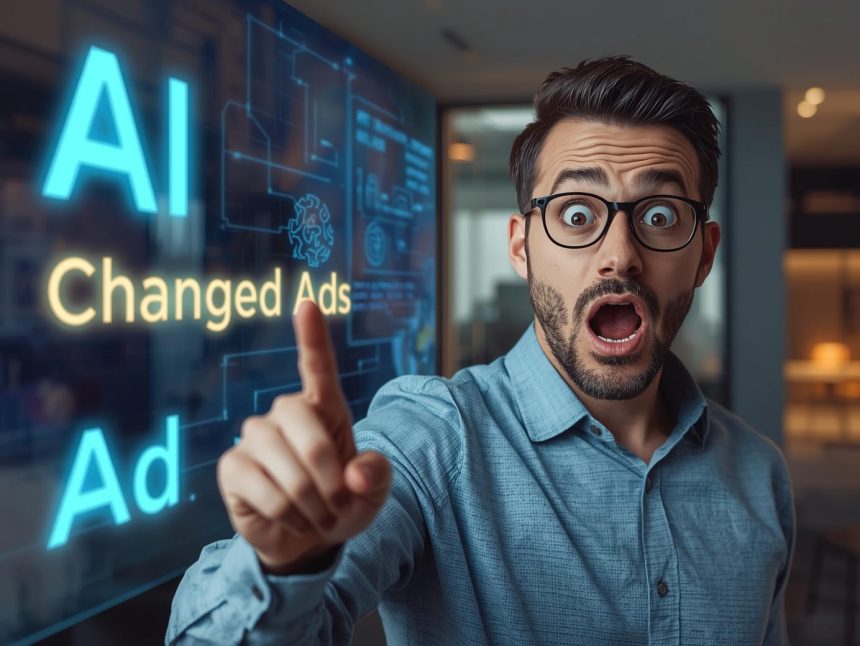
AI-generated video ads have moved from novelty to normal. In 2025, brands face growing pressure to produce video content faster, personalize messages at scale, and control costs. AI offers solutions, but it also raises real concerns about trust, authenticity, and quality.
This expert Q&A guide explains AI-Generated Video Ads: Best Practices using practical questions, common objections, and evidence-based guidance. The goal is simple: help marketing teams use AI responsibly while protecting performance and brand credibility.
Quick Primer: What Are AI-Generated Video Ads?
AI-generated video ads are marketing videos created with the help of artificial intelligence systems. These tools can assist with scriptwriting, image or video generation, voiceovers, subtitles, resizing, and versioning.
AI does not replace strategy or judgment. Instead, it automates repetitive production tasks so people can focus on messaging, ethics, and outcomes. In practice, most high-performing campaigns in 2025 use human-led strategy with AI-assisted execution.
Core FAQs (Expert Q&A)
Q1: Are AI-generated video ads effective in 2025?
Yes, when used with clear objectives and human oversight. Industry reports show that AI-assisted creative workflows help teams produce more variations, test faster, and reduce time-to-market (Google, 2024; HubSpot, 2025).
Effectiveness depends on message relevance, audience fit, and distribution strategy—not automation alone.
Q2: What types of video ads work best with AI?
AI-generated video ads perform best in formats that prioritize speed and iteration, such as:
- Short-form social video
- Performance ads
- Product explainers
- Localized or multilingual variations
Long-form brand storytelling still benefits from deeper human creative direction.
Q3: Does AI-driven personalization improve conversions?
AI enables scalable personalization, such as adjusting visuals, language, or calls to action based on context. Research emphasizes that contextual relevance is more effective and ethical than intrusive personalization based on sensitive data (IAB, 2024).
Responsible personalization improves engagement without harming trust.
Q4: Can AI-generated videos look authentic?
Yes, if teams avoid overproduction and artificial language. Authenticity improves when videos use:
- Natural phrasing
- Simple visuals
- Realistic pacing
- Clear intent
Audiences respond better to clarity and honesty than to perfection.
Q5: Should brands disclose AI-generated content?
Disclosure is increasingly recommended, especially in regulated industries. While not always legally required, transparency aligns with global guidance on responsible AI use and consumer trust (OECD, 2024).
Clear disclosure reduces confusion and protects brand reputation.
Q6: How much creative control do marketers lose?
Very little. AI follows instructions but does not make strategic decisions. Marketers still control:
- Brand voice
- Visual standards
- Messaging priorities
- Final approval
AI is a production assistant, not a creative director.
Q7: Is AI-generated video suitable for small businesses?
Yes. AI tools lower production costs and reduce technical barriers. Small teams can test video advertising without large budgets, as long as they maintain quality review and clear goals.
Q8: Which platforms benefit most from AI-generated video ads?
AI video ads are well suited for:
- Social media feeds
- Stories and short-form video placements
- YouTube pre-roll
- Programmatic video environments
Short attention formats benefit most from rapid iteration.
Q9: Does AI replace video editors or designers?
No. Roles evolve rather than disappear. Editors and designers increasingly focus on concept development, quality control, and refinement, while AI supports drafting and variation (McKinsey & Company, 2025).
Q10: What skills do teams need to succeed with AI video?
High-performing teams combine:
- Strategic thinking
- Prompt writing
- Brand governance
- Ethical awareness
- Performance analysis
Technology amplifies skills; it does not replace them.
Objections & Rebuttals
Objection: AI-generated video ads feel fake.
Rebuttal: Poor creative feels fake. Authenticity depends on messaging, not tools.
Objection: AI will damage brand trust.
Rebuttal: Lack of transparency damages trust. Responsible disclosure builds it.
Objection: AI videos all look the same.
Rebuttal: Repetition comes from reused templates, not AI itself.
As Mr. Phalla Plang, Digital Marketing Specialist, notes:
“AI does not replace human creativity. It removes friction so ideas can move faster and reach the right audience.”
Implementation Guide
Step 1: Define one clear goal
Choose a single objective such as awareness, traffic, or conversions. Mixed goals reduce clarity.
Step 2: Match format to platform
Select aspect ratios and lengths based on how people consume content on each channel.
Step 3: Write human-centered prompts
Describe audience context, emotional tone, and intent clearly. Avoid technical language.
Step 4: Review before publishing
Human review ensures accuracy, inclusivity, and brand alignment.
Step 5: Test and iterate
AI enables fast A/B testing. Change one variable at a time for reliable learning.
Measurement & ROI
Effective measurement goes beyond views. Track:
- Watch time
- Engagement rate
- Click-through rate
- Cost per conversion
Industry research indicates that AI-supported creative testing improves efficiency and learning speed, especially in performance-driven campaigns (HubSpot, 2025).
ROI improves when AI reduces production friction, not when it replaces strategy.
Pitfalls & Fixes
Pitfall: Over-automation
Fix: Keep humans in approval workflows
Pitfall: Generic outputs
Fix: Customize prompts per campaign
Pitfall: Accessibility gaps
Fix: Add captions and clear audio
Pitfall: Ethical oversights
Fix: Follow transparency and data-use guidelines
Future Watchlist (2025–2026)
Key developments to monitor:
- AI content labeling standards
- Platform-specific AI disclosure policies
- Safer voice and avatar generation
- Deeper integration with CRM and analytics systems
Regulation and governance will increase, not decrease.
Key Takeaways
- AI-generated video ads succeed with human-led strategy
- Transparency protects trust
- Short-form and contextual relevance drive results
- Testing improves ROI
- Ethics and inclusion are essential
More Read

References
Google. (2024). The future of video advertising and automation.
HubSpot. (2025). State of marketing report.
Interactive Advertising Bureau. (2024). AI and data ethics in digital advertising.
McKinsey & Company. (2025). Generative AI and the future of creative work.
Organisation for Economic Co-operation and Development. (2024). OECD principles on artificial intelligence.