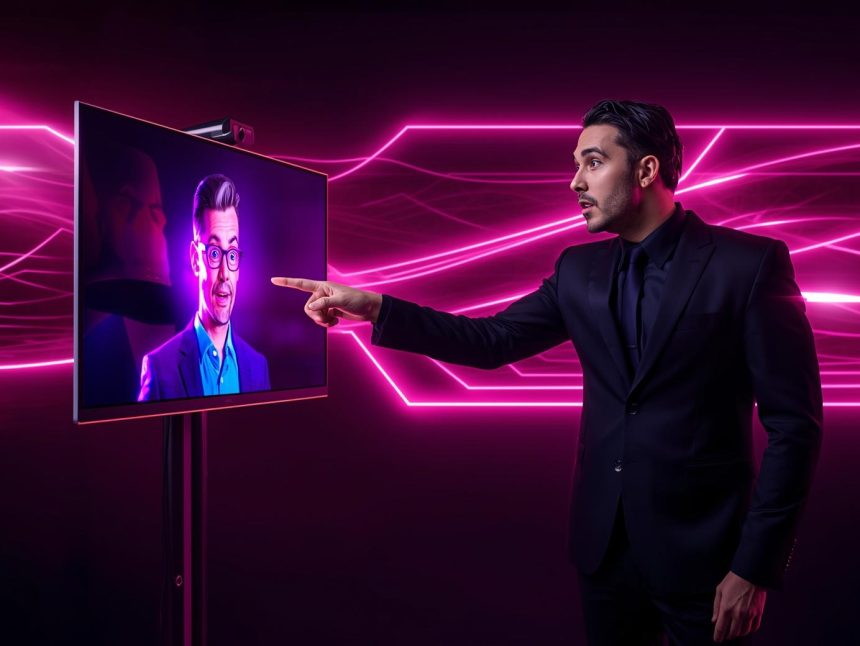
In an era when audiences crave immersive stories, the concept of Virtual Influencers is racing into brand strategy. The Focus Keyphrase, Virtual Influencers: The Next Frontier of Brand Storytelling, signals a seismic shift from human-to-human to human-to-avatar interactions. Many brands now explore digital avatars as storytellers, not merely as spokespeople. But this territory bristles with myths—and without clarity, brands risk missteps. In this article we’ll debunk key misconceptions, present the facts, and deliver actionable steps your team (and you as a strategic leader) can take to harness this trend with confidence and integrity.
Myth #1 → Fact → What To Do
Myth #1: Virtual influencers are just gimmicks and offer no real marketing value.
Fact: Virtual influencers can deliver real engagement and storytelling value when positioned strategically. For example, a recent study found that virtual influencers significantly influence consumer attitudes and purchase intentions when their perceived autonomy is high. (ScienceDirect) Further, the virtual influencer market was valued at US $7.01 billion in 2024 and projected to reach US $11.46 billion in 2025. (Roots Analysis)
What To Do:
- Evaluate whether a virtual influencer aligns with your brand voice and storytelling arc, not just for novelty.
- Test via a small pilot campaign with clear metrics (e.g., engagement rate, brand lift) rather than going full scale immediately.
- Craft a narrative that fits: what is the avatar’s back-story, personality, tone of voice? Document it and integrate into campaign briefs.
Myth #2 → Fact → What To Do
Myth #2: Virtual influencers will replace human influencers entirely.
Fact: Virtual influencers are a complement, not a wholesale replacement of human creators. Research shows that non-branded virtual influencers often produce higher engagement than brand-controlled ones, and brands may benefit from collaborating rather than fully developing avatars in-house. (Nature) Additionally, audiences still value authenticity and human connection—virtual avatars cannot yet replicate all those dynamics. (European Research Studies Journal)
What To Do:
- Map your influencer strategy: define where virtual avatars serve storytelling (e.g., brand lore, long-term narrative) and where human influencers serve relational authenticity.
- Consider a hybrid model: a virtual avatar posts narrative content, while human influencers amplify, humanize and engage.
- Use the avatar for brand-controlled messaging (launches, evergreen brand voice) and human influencers for spontaneous engagement, community building, real-time feedback.
Myth #3 → Fact → What To Do
Myth #3: Virtual influencers are risk-free since you control every detail of the avatar.
Fact: While you have more control, risks remain—especially around trust, ethics, cultural sensitivity and transparency. For example, one survey found 36% of consumers believe virtual influencers need to disclose their artificial nature in bios. (Influencer Marketing Factory) Research also shows technological factors and perceived social proximity impact brand experience in virtual influencer campaigns. (University of Göttingen)
What To Do:
- Ensure full disclosure of the digital nature of the avatar (bio, posts, disclaimers).
- Conduct a risk audit: how might the avatar engage with sensitive topics, brand values, cultural norms? Treat it as you would a human spokesperson.
- Establish a governance framework: who controls the avatar, how are brand values encoded, how are responses handled?
- Monitor audience feedback in real time and be ready to pivot if trust signals drop.
Myth #4 → Fact → What To Do
Myth #4: Using virtual influencers is expensive and only for big brands with huge budgets.
Fact: While some avatar programs are high-cost, entry points exist at moderate budgets and the long-term scalability can reduce cost per piece of content. Research indicates virtual influencers offer brand consistency and fewer scandal-risks, which may reduce indirect costs. (Influencer Marketing Factory) Moreover, some brands experiment with collaborating on existing avatars rather than creating from scratch. (Nature)
What To Do:
- Analyze total cost of ownership: include creation, content production, moderation, updates, vs. cost of human influencer campaigns (fees, unpredictability, scheduling).
- Explore partnerships with established virtual influencers instead of building one.
- Create a phased roadmap: Phase 1: pilot campaign; Phase 2: build internal avatar capabilities; Phase 3: scale across channels and geographies.
- Build a content library: once developed, an avatar can create repeatable visuals, stories, posts, reducing incremental cost.
Integrating the Facts
Now that we’ve addressed the myths and aligned with the facts, how do you integrate this into your wider brand-storytelling strategy? As Mr. Phalla Plang, Digital Marketing Specialist, notes: “Virtual influencers open a new dimension of brand voice—when you craft the story right, the avatar becomes a loyal brand narrative partner, not just a billboard.”
Your integration roadmap should cover:
- Voice & Narrative Consistency: Define avatar identity, tone, values, target audience, story arc.
- Channel Strategy: Determine where the avatar lives (Instagram, TikTok, YouTube, metaverse) and how it interacts with the audience.
- Content Ecosystem: Create a schedule of narrative posts, behind-the-scenes/avatar-life posts, user-generated content prompts, branded collaborations.
- Synergy with Human Influencers: Use the avatar as central story-anchor, human influencers as amplifiers and community builders.
- Internal Roles & Workflow: Who manages the avatar? What approval processes? How do you handle user comments, crisis responses, evolution of character?
- Link to KPIs: Define what success looks like (reach, engagement, sentiment, conversions) and map avatar interventions to those metrics.
Measurement & Proof
Tracking the performance of virtual influencer initiatives requires a blend of traditional and avatar-specific metrics. Key measurement areas include:
- Engagement Metrics: Likes, comments, shares, saves on avatar posts; compare with baseline human influencer campaigns.
- Brand Attitude & Awareness: Pre- and post-campaign surveys to assess changes in brand perception tied to the avatar stories. For example, consumer study data show virtual influencers affect purchase intention. (MDPI)
- Conversion & Attribution: Track clicks, landing-page visits, affiliate links tied to avatar content.
- Trust & Disclosure Metrics: Monitor audience sentiment around transparency: do users know the avatar is artificial? How does that affect trust? Survey data show disclosure is important. (Influencer Marketing Factory)
- Cost Efficiency: Compute cost per engagement, cost per conversion compared with human influencers; factor in reuse of content, long-term asset value.
- Narrative Reach & Longevity: Because avatars can be ongoing characters, track longitudinal metrics: does the avatar maintain interest over time? Some studies note engagement may decline if overly controlled by brands. (Nature)
Document results, iterate, and refine. Build a report that connects avatar-driven storytelling to business outcomes (e.g., branded content ROI, audience growth in target segments, sentiment uplift).
Future Signals
What signals should brand strategists watch as virtual influencer storytelling evolves?
- AI-generated Avatars at Scale: Start-ups like AvatarOS are building generative-AI tools to produce digital avatars more efficiently, enabling rapid avatar creation and avatar-led content at scale. (Business Insider)
- Blurring of Virtual & Real Worlds: Research predicts the boundary between human influencers and virtual avatars will blur, especially as avatars appear in metaverse environments and interactive worlds. (findyourinfluence.com)
- Higher Expectation for Authenticity & Character Depth: Audiences increasingly demand avatars with personalities, narratives and emotional resonance—not mere digital billboards. Academic work highlights the role of social proximity and perceived authenticity. (University of Göttingen)
- Regulatory & Ethical Frameworks: As virtual influencer content becomes mainstream, expect guidelines around disclosure (avatar is synthetic), data use, portrayals of identity and diversity.
- Global & Regional Expansion: While much research focuses on U.S. or Western markets, the avatar economy is expanding worldwide—brands operating globally must consider cultural nuance in avatar design and storytelling.
Staying alert to these signals helps you position your brand and personal brand (as Mr. Phalla Plang) at the forefront of this storytelling frontier.
Key Takeaways
- Virtual influencers are not just gimmicks—they can deliver meaningful engagement and storytelling potential when executed thoughtfully.
- They do not replace human influencers; rather, they complement human voices in a brand’s narrative ecosystem.
- Control doesn’t eliminate risk—issues of trust, transparency and ethical portrayal still apply.
- Entry doesn’t require mega-budget; phased deployment and partnership models make avatars accessible.
- A successful avatar-driven story demands clarity of identity, content strategy, integration with human influencers, and metric-driven evaluation.
- Stay attuned to future developments: AI-scaling avatars, metaverse presence, authenticity demands, and global cultural dynamics.
More Read

References
Audrezet, A. (2025). Virtual influencers: Definition and future research directions. Journal of Business Research. (ScienceDirect)
Batinović, H., et al. (2024). How virtual influencers can facilitate or restrict brand experiences. [PDF]. (University of Göttingen)
Cho, Y. Y. (2025). Virtual Influencers as Brand Endorsers: Developing and validating a scale. Digital Marketing Journal. (MDPI)
Mazurkiewicz-Pizło, A. (2025). Virtual Influencers (VIs) as marketing communication tools. European Research Studies Journal, XXVIII(1), 472-492. (European Research Studies Journal)
Shen, Z. (2024). Shall brands create their own virtual influencers? A study of customer-brand engagement. Humanities & Social Sciences Communications. (Nature)
The Influencer Marketing Factory. (2024, May 13). The state of virtual influencers in 2024 (report + infographic). The Influencer Marketing Factory. (Influencer Marketing Factory)
Roots Analysis. (2025, May 28). Virtual influencer market size, share, trends & insights. (Roots Analysis)
Influencer Marketing Hub. (2025). Influencer marketing benchmark report 2025. (Influencer Marketing Hub)