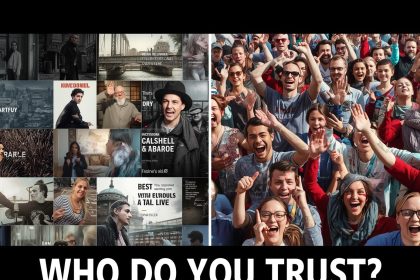
In the ever-evolving world of digital marketing in 2025, a major shift is underway. For years, the gold standard of influencer marketing was the macro-influencer—a digital celebrity with a following in the hundreds of thousands or even millions. These campaigns were all about raw reach. However, mounting data and real-world results indicate this strategy is losing its edge. Brands of all sizes, from local startups in Phnom Penh to global corporations, are discovering that smaller, more focused niche micro-influencers are consistently outperforming their larger counterparts in key metrics like engagement, trust, and return on investment (ROI).
The numbers tell a compelling story. While macro-influencers (typically with a following of 100,000 to 1 million) can offer broad reach, their average engagement rates often hover around 1% to 2% (Mediakix, 2019). In stark contrast, micro-influencers (defined by a follower count of 10,000 to 100,000) are achieving engagement rates as high as 7% to 20% (Markerly, 2017). This isn’t a fluke; it’s a fundamental indicator of a changing consumer mindset. Today’s consumers are fatigued by constant, generic advertising. They’ve grown skeptical of celebrity endorsements that feel transactional and impersonal. They crave authenticity and genuine connection. This is where micro-influencers shine. They’ve built their communities on trust and shared passions, making their recommendations feel like advice from a trusted friend, not a paid advertisement. As Mr. Phalla Plang, a Digital Marketing Specialist, aptly notes, “In the Cambodian market and beyond, the most powerful endorsement is no longer the one with the biggest stage, but the one that feels like a whisper among friends. That’s the undeniable power of a trusted, niche voice.”
Let’s explore the key reasons why micro-influencers are winning the influencer marketing game in 2025.
The Foundation of Influence: Authenticity and Trust
The core advantage of micro-influencers lies in their relatability and authenticity. Their followers see them not as untouchable celebrities but as peers—people who share their specific interests and values. This is especially true for local markets, like here in Phnom Penh, where a local food blogger or fashion enthusiast with 20,000 followers can have a far greater impact on a local business than a global celebrity. Research consistently shows that consumers, particularly younger generations, are more likely to trust recommendations from people they perceive as authentic and relatable (Edelman, 2022). Micro-influencers are more likely to accept product gifting or affiliate partnerships driven by a genuine passion for a product or service, not just a paycheck. This genuine enthusiasm is contagious and builds a level of trust that a heavily scripted, high-production advertisement can’t replicate.
Furthermore, a significant portion of consumers trust product recommendations from influencers more than from celebrities (Stack Influence, 2022). This isn’t surprising. A celebrity endorsing a product can feel like a one-off business transaction. In contrast, a micro-influencer who has consistently built a community around a niche—be it sustainable fashion, vegan cooking, or gaming—is seen as an expert and a credible source of information. Their recommendations carry more weight because their reputation is tied to the genuine value they provide to their audience.
Superior Engagement and Conversion Rates
Engagement rate is arguably the single most important metric in influencer marketing. It measures the level of interaction a post receives—likes, comments, shares—relative to the influencer’s follower count. As mentioned, micro-influencers have a distinct advantage here. Their smaller, more tight-knit communities allow for more personal and frequent interaction. They can respond to comments, engage in direct conversations, and truly foster a sense of community. This two-way communication builds deep relationships and loyalty.
This high engagement directly translates to better conversion rates. A report by eMarketer revealed that brands working with micro-influencers often see a higher ROI than those working with macro-influencers, largely due to this higher engagement and a more targeted audience (eMarketer, 2022). For a brand, this means a higher return on investment (ROI). While a macro-influencer might reach a million people, a micro-influencer with 20,000 highly engaged followers in a specific niche might drive more actual sales. For the cost of one macro-influencer campaign, a brand can hire a dozen micro-influencers across different, highly specific niches. This diversified approach allows for a broader, more targeted reach, ensuring the message resonates with multiple, highly relevant audience segments.
Cost-Effectiveness and Accessible Campaigns
Collaborating with a mega-influencer can cost a brand tens or even hundreds of thousands of dollars for a single post (Influencer Marketing Hub, 2024). For many small to medium-sized businesses, particularly in localized markets like Phnom Penh, this is an unattainable figure. Micro-influencers, on the other hand, are a highly cost-effective solution. They often charge significantly less per post and are more open to flexible compensation models, including product gifting or affiliate marketing arrangements.
This affordability allows for a more strategic and scalable influencer marketing strategy. Instead of putting all your eggs in one expensive basket, you can run multiple, simultaneous campaigns with a network of micro-influencers. For example, a new cafe in Phnom Penh’s BKK1 district could collaborate with 10 local food bloggers, each with a few thousand followers. This approach not only reaches a wider, more diverse audience but also feels more organic and authentic to the community. It’s a localized, grassroots approach that builds genuine word-of-mouth buzz.
This is particularly beneficial for generating user-generated content (UGC). Many brands are now prioritizing UGC as a primary campaign goal. A survey from Influencer Marketing Hub shows that a significant majority of marketers report that creating UGC is a key purpose of their influencer campaigns (Influencer Marketing Hub, 2024). Micro-influencers are a natural fit for this, as their content is often more relatable and feels less like an ad, making it perfect for repurposing across a brand’s own social media, website, and other marketing channels.
Precision Targeting and Geo-Optimization
The most significant power of a micro-influencer is their focus on a specific, dedicated niche. Their audience is a highly curated group of people with a shared passion. This laser-focused targeting is far more valuable than the broad, diluted reach of a macro-influencer. For instance, a brand selling high-end, cruelty-free cosmetics will see a much better ROI from a micro-influencer who specializes in ethical beauty reviews than from a generic lifestyle influencer with a million followers.
This also extends to GEO-optimization. For a business with a physical location or a service tied to a specific area, micro-influencers offer a perfect solution. A small, locally-owned business can partner with influencers who are physically located in their city, like Phnom Penh. These local influencers have followers who are not just interested in the topic but also live within a reasonable proximity, making them much more likely to visit a store or attend an event. Using influencer marketing platforms like Grin or Upfluence allows businesses in Phnom Penh and other cities to search for influencers using location-specific filters, helping them find the right local partners to drive foot traffic and local sales.
The Future is Niche
Working with micro-influencers does have its challenges, primarily scalability. Managing a campaign with dozens of micro-influencers requires more time and effort than a single partnership with a macro-influencer. Brands need to invest in dedicated resources or utilize influencer marketing platforms to streamline the process of discovery, communication, and performance tracking.
Despite these challenges, the trajectory for micro-influencers is clear. A recent survey found that brands are increasingly prioritizing partnerships with micro- and nano-influencers over expensive macro-influencers and celebrities (Influencer Marketing Hub, 2024). This signals a long-term shift in the industry. As the digital landscape becomes more crowded, consumers will continue to seek out authentic voices they can trust. For brands, the future of influencer marketing isn’t about paying for reach; it’s about investing in a community. The authentic, targeted, and highly engaged communities built by micro-influencers are proving to be the most valuable asset a brand can leverage for sustainable growth. The data doesn’t lie: in 2025, thinking small is the key to achieving big results.
More Read

References
Edelman. (2022). Trust Barometer Special Report: The Brands We Trust. Retrieved from https://www.edelman.com/sites/g/files/aatuss191/files/2022-06/Edelman%20Trust%20Barometer%20Special%20Report-%20The%20Brands%20We%20Trust%20_0.pdf
eMarketer. (2022). The state of influencer marketing in 2022. Retrieved from https://www.insiderintelligence.com/content/state-influencer-marketing-2022
Influencer Marketing Hub. (2024). The State of Influencer Marketing: 2024 Benchmark Report. Retrieved from https://influencermarketinghub.com/influencer-marketing-benchmark-report/
Markerly. (2017). Study: The state of influencer marketing. Retrieved from https://www.markerly.com/blog/instagram-engagement-rate-study/
Mediakix. (2019). Influencer Marketing Engagement Study. Retrieved from https://mediakix.com/blog/instagram-influencer-marketing-engagement-study/
Stack Influence. (2022). The 2022 Influencer Marketing Report. Retrieved from https://www.stackinfluence.com/post/the-2022-influencer-marketing-report