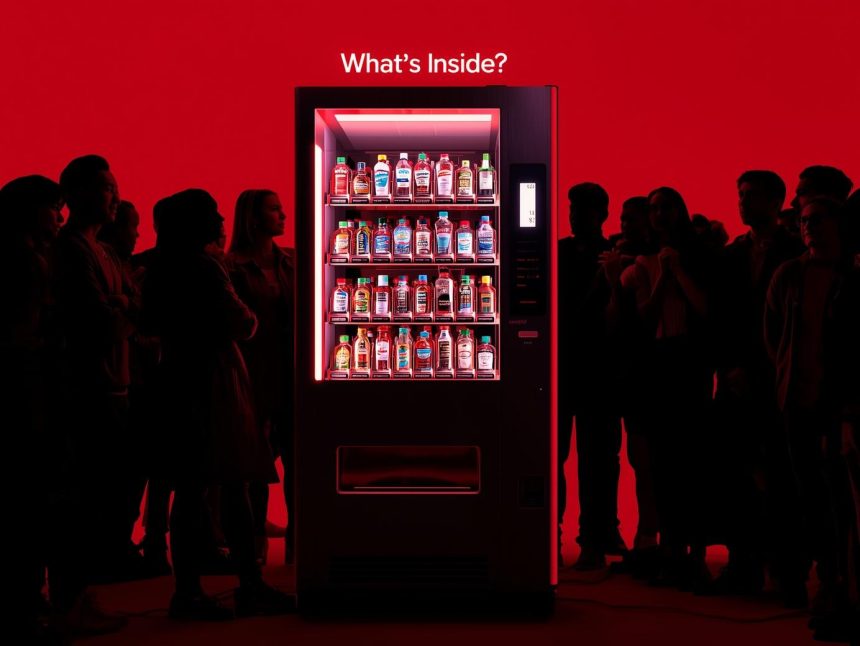
In 2025, digital marketing is no longer just about ads, email funnels, or content strategies—it’s about experiences that create trust, engagement, and loyalty. One of the fastest-growing trends powering this shift is tokenization. From loyalty rewards to branded NFTs, businesses are adopting tokenized campaigns to deliver value directly to customers. According to Deloitte, global tokenization markets are projected to surpass $5.6 billion by 2030, with marketing and customer engagement playing a central role (Deloitte, 2023).
This article explores how tokenization in marketing works, why it matters in today’s digital-first world, and how brands are using tokenized campaigns to create stronger, lasting connections with audiences.
What Is Tokenization in Marketing?
At its core, tokenization refers to the process of converting a real or digital asset into a blockchain-based token. These tokens can represent ownership, access rights, or rewards. In marketing, this means that a brand can reward customers with digital tokens that are stored securely on blockchain networks, providing transparency, transferability, and personalization.
Unlike traditional rewards systems that are limited to centralized databases, tokenized campaigns empower customers with true ownership of their rewards. For example, instead of loyalty points that expire, customers may receive digital tokens or NFTs they can trade, sell, or use for exclusive benefits.
Why Tokenization Matters in 2025
The rise of Web3 and decentralized ecosystems has changed how customers expect to interact with brands. Today’s consumers want control, transparency, and personalization—and tokenized marketing delivers exactly that.
- Trust through transparency: Tokens live on the blockchain, which ensures records cannot be manipulated.
- Interoperability: Tokens can move across platforms, letting customers use them in multiple ecosystems.
- Stronger loyalty: Customers are more likely to engage when they can own and trade their rewards.
Research by MarketsandMarkets predicts that the global blockchain in advertising and marketing market will reach $1.9 billion by 2027, with tokenization being a major driver (MarketsandMarkets, 2023).
Types of Tokenized Marketing Campaigns
1. Loyalty Tokens
Instead of traditional loyalty points, brands issue blockchain-based tokens that customers can store in digital wallets. These tokens can be redeemed across partner platforms or even traded in secondary markets.
Example: Starbucks introduced its Starbucks Odyssey program, where customers earn NFTs (digital stamps) that unlock exclusive experiences.
2. NFT-Based Engagement
Non-fungible tokens (NFTs) are unique digital assets. Marketers use NFTs for limited edition products, collectibles, or gated content.
Example: Nike launched NFT sneakers that customers could wear in virtual worlds, combining digital ownership with brand loyalty.
3. Access Tokens
Some brands issue tokens that unlock exclusive membership privileges like early product access, backstage passes, or VIP experiences.
Example: Music artists use tokenized passes to give fans early access to albums or concert tickets.
4. Branded Utility Tokens
Utility tokens can act as currency within a brand’s ecosystem. For instance, customers may earn tokens by completing certain actions—sharing content, referring friends, or reviewing products.
Example: Crypto.com rewards its users with CRO tokens that can be spent on platform services or exchanged.
5. Gamified Campaigns
Marketers gamify the customer journey using earn-to-play or earn-to-redeem models, where tokens reward specific behaviors like daily logins, quizzes, or interactive brand challenges.
Benefits of Tokenized Campaigns for Brands
1. Increased Customer Loyalty
Tokenization transforms traditional loyalty points into valuable, tradeable assets. Customers feel a stronger connection because their rewards hold real-world or secondary market value.
2. Higher Engagement Rates
Interactive token-based campaigns—such as quests, challenges, or NFT drops—drive more engagement compared to passive discounts.
3. Transparency and Trust
Blockchain ensures all token transactions are publicly verifiable, reducing fraud and building trust.
4. Cross-Platform Opportunities
Tokens can move beyond a single brand ecosystem, creating collaboration opportunities between companies.
5. Enhanced Customer Data
Tokenized systems let customers share data voluntarily in exchange for tokens, aligning with privacy-first marketing trends.
Challenges of Tokenized Marketing
Despite its benefits, tokenization isn’t without hurdles:
- Education gap: Many consumers are still unfamiliar with blockchain.
- Regulatory uncertainty: Global regulations on tokens and NFTs remain inconsistent.
- Adoption costs: Building tokenized systems requires investment in blockchain infrastructure.
- Scalability issues: High transaction fees and technical bottlenecks can affect user adoption.
Brands must balance innovation with education and compliance to succeed.
Tools and Platforms for Tokenized Marketing
Several platforms make it easier for marketers to launch tokenized campaigns without building blockchain systems from scratch:
- Rally.io: Enables creators and brands to launch their own social tokens.
- Chiliz: Powers fan tokens in sports and entertainment.
- Flow: A blockchain designed for NFTs and digital collectibles.
- Polygon: A low-cost, scalable blockchain used for token projects.
These tools provide plug-and-play options for businesses looking to experiment with tokenized customer engagement.
Real-World Case Studies
Case Study 1: Coca-Cola’s NFT Collectibles
Coca-Cola launched NFT collectibles tied to brand storytelling campaigns. Within 72 hours, the NFT auction raised over $575,000, proving the marketing power of tokenized campaigns (CoinDesk, 2022).
Case Study 2: Adidas Into the Metaverse
Adidas partnered with Bored Ape Yacht Club to release limited NFTs, offering both digital and physical products. The campaign generated $23 million in sales in just one afternoon (The Verge, 2022).
Case Study 3: Clinique Tokenized Rewards
Cosmetic giant Clinique rewarded its loyalty members with NFTs that unlock early product drops and exclusive experiences. This deepened brand-customer relationships while driving social buzz.
Future of Tokenized Marketing
By 2030, tokenization will likely become as common as today’s email marketing. Gartner predicts that 20% of global brands will have adopted tokenized loyalty programs by 2027 (Gartner, 2023).
As adoption accelerates, tokenized campaigns will shift from niche experiments to mainstream marketing strategies. Brands that embrace them early will stand out in a crowded digital space.
Expert Insight
“As digital marketing evolves, tokenization allows brands to transform rewards into real, ownable assets. This builds not only customer loyalty but also trust. In my view, tokenized campaigns will soon become a standard tool for marketers who want to connect more authentically with audiences.” – Mr. Phalla Plang, Digital Marketing Specialist
Note
Tokenization is not just a buzzword—it’s a game-changer in digital marketing. By offering customers tokens they can own, trade, or redeem, brands move beyond discounts and loyalty points into authentic, transparent, and engaging relationships.
The future of marketing lies in tokenized ecosystems, where customers feel empowered and brands build deeper trust. Companies that adopt tokenized campaigns today will be the leaders of tomorrow’s Web3-driven marketplace.
More Read

References
- CoinDesk. (2022). Coca-Cola sells NFT collectibles for $575,000. Retrieved from https://www.coindesk.com/
- Deloitte. (2023). Blockchain and tokenization market outlook 2030. Retrieved from https://www2.deloitte.com/
- Gartner. (2023). Emerging technologies and Web3 marketing trends. Retrieved from https://www.gartner.com/
- MarketsandMarkets. (2023). Blockchain in advertising and marketing market forecast 2027. Retrieved from https://www.marketsandmarkets.com/
- The Verge. (2022). Adidas made $23 million selling NFTs in one afternoon. Retrieved from https://www.theverge.com/