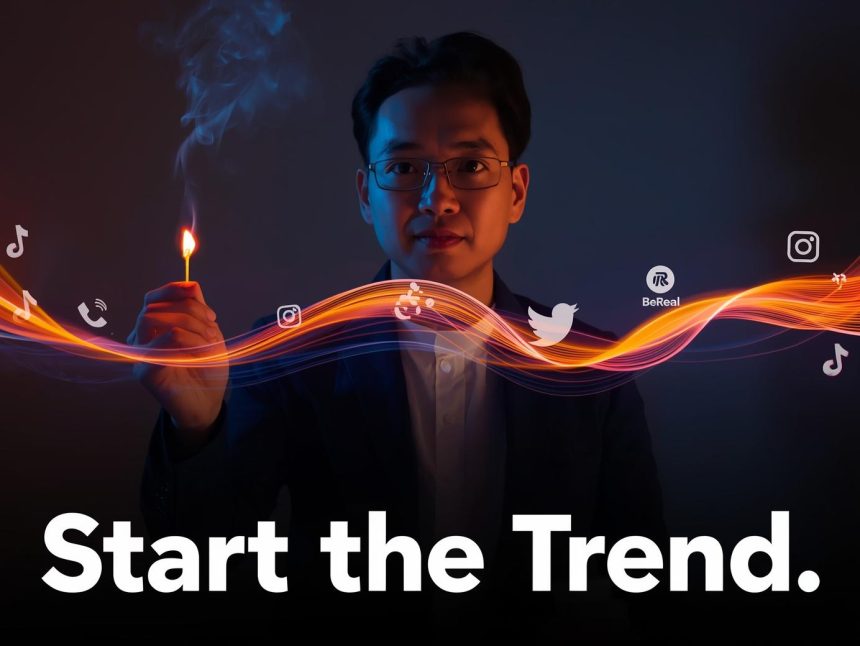
In 2025, marketing success isn’t about reaching everyone—it’s about reaching the right people in the right spaces. With audiences fragmented across online groups and specialized platforms, niche communities and trendsetting platforms have become the most powerful places for building thought leadership.
- Why Niche Communities Matter
- The Power of Trendsetting Platforms
- Benefits of Engaging in Niche Communities
- Strategies to Build Thought Leadership in Niche Communities
- Case Studies of Community-Led Thought Leadership
- The Importance of Authenticity
- SEO Benefits of Community Engagement
- Tools for Community-Centric Thought Leadership
- Key Takeaways
- References
This article explores why niche communities matter, how new platforms shape influence, and practical strategies for brands and executives to build authentic authority and long-term visibility.
Why Niche Communities Matter
Mass marketing is losing impact. Instead, people seek smaller, trusted spaces to exchange ideas.
A GlobalWebIndex (2024) report found that 76% of internet users participate in at least one online community built around their professional or personal interests. These communities range from LinkedIn groups and Reddit forums to private Slack or Discord channels.
For B2B, the Edelman & LinkedIn Thought Leadership Impact Study (2023) showed that 61% of decision-makers trust insights shared in focused professional communities more than traditional brand messaging.
This makes sense: people trust real conversations more than polished campaigns.
The Power of Trendsetting Platforms
Certain platforms are emerging as hubs for thought leadership:
- LinkedIn: With over 1 billion members worldwide, LinkedIn remains the most important platform for professional influence (LinkedIn, 2024).
- Substack: Transforms newsletters into thought leadership channels, allowing executives to build direct subscriber relationships.
- Reddit: Home to over 100,000 active communities, Reddit is a hub for authentic dialogue and early trend discussions (Reddit, 2024).
- Discord & Slack: Private, topic-driven channels are increasingly important for niche professional and hobbyist groups.
For thought leaders, these platforms offer direct access to engaged, self-selecting audiences.
Benefits of Engaging in Niche Communities
- Trust & Credibility – Community members value leaders who consistently provide insight, not promotion.
- Early Trendspotting – Communities often discuss innovations before they hit mainstream media.
- Deeper Engagement – Niche groups provide higher-quality conversations compared to broad social media posts.
- Organic Advocacy – Valuable contributions are naturally shared, fueling word-of-mouth visibility.
Strategies to Build Thought Leadership in Niche Communities
1. Listen Before Speaking
Communities value relevance. Before posting, observe ongoing discussions and identify knowledge gaps. Tools like BuzzSumo and Brandwatch can help track trends and conversations.
2. Share Insights, Not Ads
Self-promotion rarely works. Instead, share case studies, frameworks, or lessons learned that solve real problems.
3. Partner with Micro-Influencers
Smaller influencers often have deeper trust in niche spaces. Collaborating with them can accelerate authority-building.
4. Maintain Multi-Platform Consistency
Thought leadership grows stronger when consistent across LinkedIn, Reddit, newsletters, and private forums.
5. Create Interactive Experiences
Host Ask Me Anything (AMA) sessions, webinars, or live Q&As. Interactivity builds stronger authority than one-way broadcasting.
Case Studies of Community-Led Thought Leadership
- Notion: Grew by engaging with productivity communities on Reddit and YouTube, where users shared templates and hacks.
- HubSpot: Strengthened its brand by actively participating in LinkedIn and Slack groups, not just publishing on its own channels.
- Stripe: Built credibility by engaging in developer forums, making its documentation and insights part of broader community conversations.
These brands show that leadership in communities creates industry-wide influence.
The Importance of Authenticity
Communities thrive on honesty. Stackla (2022) reported that 88% of consumers consider authenticity a deciding factor when choosing brands to follow or support.
As Mr. Phalla Plang, Digital Marketing Specialist, explains:
“Communities can sense insincerity immediately. The leaders who succeed are those who share honestly, admit challenges, and provide real value instead of promotion.”
Authenticity is not just good behavior—it is the foundation of community trust.
SEO Benefits of Community Engagement
Community-based thought leadership also boosts SEO visibility. Mentions, backlinks, and shares within communities signal authority to search engines.
- Reddit threads are indexed by Google and can drive referral traffic.
- LinkedIn articles rank in search results and strengthen personal branding.
- Substack newsletters provide backlinks and ongoing traffic to brand websites.
The Content Marketing Institute (2024) found that companies active in communities achieved 2.5x more referral traffic from organic search than those that were not.
This shows that community trust and SEO visibility are closely linked.
Tools for Community-Centric Thought Leadership
- Reddit Analytics – Explore trending subreddits and engagement metrics.
- Discord Insights – Manage community engagement data.
- Hootsuite – Monitor cross-platform conversations.
- Substack – Build and engage a direct subscriber base.
These tools help leaders find and engage the right communities at scale.
Key Takeaways
- 76% of internet users are active in online communities (GlobalWebIndex, 2024).
- LinkedIn, Substack, Reddit, and Discord are trendsetting platforms for thought leadership.
- Communities deliver trust, engagement, and early trend insights.
- Authenticity matters—88% of consumers prefer real voices (Stackla, 2022).
- Community engagement improves SEO visibility and referral traffic.
Note
In 2025, successful thought leadership is not about broadcasting to everyone—it’s about contributing meaningfully to the right communities. Niche groups and trendsetting platforms are where trust is built, ideas spread, and trends emerge.
Executives and brands that commit to authentic participation, consistent presence, and real value-sharing will not only strengthen visibility but also earn long-term loyalty and influence.
The future of thought leadership marketing belongs to those who understand that to grow big, you must first go small and go deep.
More Read

References
Content Marketing Institute. (2024). B2B content marketing benchmarks and trends. Content Marketing Institute.
Edelman & LinkedIn. (2023). 2023 B2B thought leadership impact study. Edelman.
GlobalWebIndex. (2024). Social media and online community usage report. GlobalWebIndex.
LinkedIn. (2024). LinkedIn user statistics. LinkedIn Press.
Reddit. (2024). Reddit communities data. Reddit Inc.
Stackla. (2022). Consumer content and authenticity survey. Stackla Research.