In 2025, Search Engine Optimization (SEO) is no longer just about using keywords or backlinks. Today, Artificial Intelligence (AI) and machine learning are helping marketers work faster and smarter. From keyword research to content writing and ranking predictions, AI is transforming how SEO works. This article explains how AI improves SEO, what tools lead the change, and how businesses can benefit.
1. What is AI-Powered SEO?
AI-powered SEO refers to using artificial intelligence and machine learning technologies to automate and enhance SEO tasks. These tasks include:
- Finding the right keywords
- Writing SEO-friendly content
- Understanding search intent
- Predicting ranking outcomes
- Fixing technical site issues
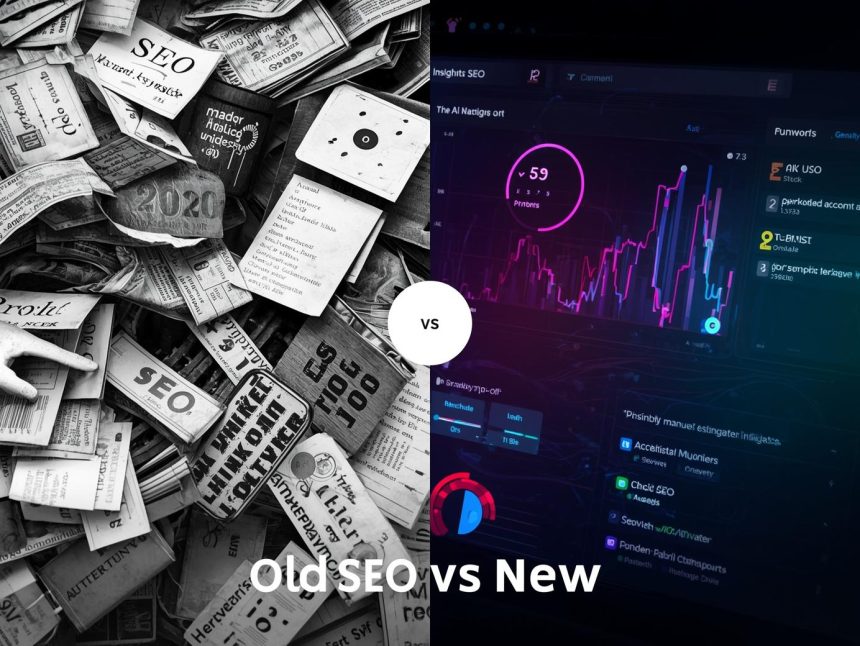
Traditional SEO depends heavily on manual work. AI tools, on the other hand, use large sets of data to identify patterns, automate processes, and suggest optimisations based on how search engines actually work.
2. Why AI Matters in SEO Today
Google has been using AI in its search algorithms for years. For example:
- RankBrain, launched in 2015, helps Google understand the meaning behind user searches (Moz, 2023).
- BERT, introduced in 2019, uses Natural Language Processing (NLP) to better understand how words relate in context (Google, 2020).
- MUM, or Multitask Unified Model, is designed to answer complex queries by analyzing text, images, and videos in multiple languages (Nayak, 2021).
These technologies mean search results are no longer based just on keyword matching. Google is now focused on understanding intent and context—and that’s exactly what AI can help marketers do too.
3. How AI is Used in SEO Today
A. Smarter Keyword Research
AI tools can scan millions of search queries and competitor pages to find high-opportunity keywords with real intent behind them. Platforms like Surfer SEO, SEMrush, and Ahrefs use machine learning to suggest keywords based on:
- Topic relevance
- Search volume trends
- Difficulty to rank
- Searcher intent
For instance, Surfer SEO uses NLP to recommend semantic keywords, helping you match what Google expects in top-ranking pages (Surfer SEO, n.d.).
B. Content Creation and Optimisation
AI writing tools like Jasper, Copy.ai, and ChatGPT assist in:
- Generating content outlines
- Writing entire blog posts
- Rephrasing or shortening copy
- Adding SEO-focused keywords
However, human input is still vital. AI-written content should always be reviewed, edited, and aligned with your brand voice and audience needs.
C. Predictive SEO
Some tools like MarketMuse and BrightEdge use machine learning to predict which topics will perform well in the future. These tools analyze competitor gaps and help plan strategic content that’s likely to rank.
D. Technical SEO Enhancements
AI tools can quickly scan your website to:
- Identify broken links and errors
- Suggest internal links
- Highlight mobile or speed issues
- Recommend schema markup
Tools like Screaming Frog and JetOctopus do this at scale, saving SEO teams hours of manual review.
4. Key Benefits of AI in SEO
1. Time Savings
AI tools automate time-consuming tasks like keyword grouping, link audits, and content scoring.
2. Better Content Quality
With NLP and topic modeling, AI helps create content that better matches what users and search engines expect.
3. Improved Personalisation
AI understands user preferences, enabling marketers to deliver content tailored to each visitor.
4. Data-Driven Decisions
AI reduces guesswork by using large datasets to recommend changes backed by real search behavior.
5. Popular AI SEO Tools in 2025
| Tool Name | Primary Use |
| Surfer SEO | NLP content optimisation |
| Jasper | AI-powered content writing |
| SEMrush | Keyword and competitor research |
| Ahrefs | Backlink analysis and site audits |
| Frase | Content briefs and Q&A automation |
| MarketMuse | Content planning and gap analysis |
| Clearscope | Keyword and readability scoring |
| Alli AI | On-page SEO automation |
These tools offer various plans, so businesses of all sizes can find one that fits their needs.
6. Challenges with AI in SEO
While AI is powerful, it comes with a few challenges:
- Overuse may harm quality: AI-written content can sound robotic if not edited.
- Tool accuracy varies: AI is only as good as the data it is trained on.
- High cost: Some AI tools are expensive for small businesses.
- SEO ethics: Using AI to mass-produce content may go against Google’s helpful content guidelines if not done properly (Google Search Central, 2023).
The key is to use AI as a support tool, not a replacement for human judgment and creativity.
7. Future Trends in AI-Powered SEO
A. Multimodal Search Optimisation
Google’s MUM is bringing multimodal search, which means it can understand text, images, and even videos together. Future SEO strategies will need to optimise visuals, captions, and transcripts, not just text (Nayak, 2021).
B. Hyper-Personalised SEO
As AI learns more about user behavior, expect to see personalised content rankings. One user might see a different top result than another, depending on location, search history, and device used.
C. Voice Search Growth
By 2025, over 50% of internet users globally use voice assistants for daily searches (Statista, 2024). AI helps marketers optimize content for natural language queries, such as “Where’s the best vegetarian restaurant near me?”
D. Real-Time Optimisation
AI tools are moving toward real-time SEO adjustments, where rankings, keywords, and page performance are constantly monitored and updated without human input.
8. Best Practices for Using AI in SEO
- Start with one tool, then expand once you’re confident in using AI insights.
- Keep your content human—even if AI writes the first draft, always review.
- Use AI to inform, not decide—combine AI suggestions with your SEO strategy.
- Measure results with tools like Google Search Console and analytics platforms.
- Stay updated—AI and SEO trends change fast, so continuous learning is key.
Note
AI-powered SEO is not a future idea—it’s already here. From content writing and keyword analysis to predictive planning and technical improvements, machine learning is transforming how we succeed in search. But the most powerful SEO strategies in 2025 will come from combining AI tools with human insight.
If you want to grow your website traffic and stay ahead of the competition, now is the time to start using AI tools that match your goals.
More Read

References
Google. (2020). Understanding searches better than ever before. Retrieved from https://blog.google/products/search/search-language-understanding-bert/
Google Search Central. (2023). What creators should know about Google’s helpful content system. Retrieved from https://developers.google.com/search/blog/2022/08/helpful-content-update
Moz. (2023). RankBrain: A Look Back at Google’s AI-Powered Ranking Signal. Retrieved from https://moz.com/blog/google-rankbrain
Nayak, P. (2021). Introducing MUM: A new AI milestone for understanding information. Retrieved from https://blog.google/products/search/introducing-mum/
Statista. (2024). Digital voice assistant usage worldwide. Retrieved from https://www.statista.com/statistics/973815/worldwide-digital-voice-assistant-in-use/
Surfer SEO. (n.d.). Surfer SEO Tool Features. Retrieved from https://surferseo.com
Frase. (n.d.). Create better content, faster with AI. Retrieved from https://www.frase.io
Jasper. (n.d.). AI Writing Tool for Marketing Teams. Retrieved from https://www.jasper.ai