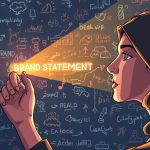
Brand positioning is how your business creates a unique place in customers’ minds. It’s not just about selling—it’s about identity, trust, and emotional connection. When done well, positioning helps attract the right audience and build lasting loyalty.
- 1. Apple – Innovation & Premium Design
- 2. Tesla – Sustainability & High Performance
- 3. Nike – Empowerment Through Sports
- 4. Coca-Cola – Happiness & Togetherness
- 5. Starbucks – Community & Experience
- 6. Amazon – Convenience & Variety
- 7. Walmart – Everyday Low Prices
- 8. Rolex – Luxury & Craftsmanship
- 9. IKEA – Affordable Style + Functionality
- 10. Zappos – Exceptional Customer Service
- 11. Airbnb – Belong Anywhere
- 12. Zoom – Simplicity in Communication
- 13. Patagonia – Environmental Advocacy & Trust
- 14. HubSpot – Inbound Marketing Education
- 15. Canva – Design Made Easy
- Expert Insight
- Lessons for SMEs & Startups
- References
Research shows that 59% of global shoppers prefer buying new products from familiar brands—a powerful reminder that familiarity builds trust and drives purchasing behavior (Capital One Shopping). This trust advantage is at the heart of effective brand positioning.
Below are 15 real-world brand positioning examples, each with key takeaways for big brands and small businesses alike.
1. Apple – Innovation & Premium Design
Apple stands for sleek, intuitive products that feel magical. Their brand consistently communicates creativity and high quality.
Takeaway for SMEs: Choose a standout trait—be it design, innovation, or ease of use—and make it your signature.
2. Tesla – Sustainability & High Performance
Tesla blends green energy with luxury and speed. It stands for more than a car—it’s about a vision for a sustainable, fast future.
Takeaway: Merge your brand’s values with tangible benefits. Ethical and effective.
3. Nike – Empowerment Through Sports
Nike doesn’t just sell gear. “Just Do It” motivates people to believe in themselves.
Takeaway: Sell emotions and transformation, not just features.
4. Coca-Cola – Happiness & Togetherness
Coca‑Cola sells shared joy, not just soft drinks. Campaigns like “Share a Coke” link the brand to real emotions and connection (Wikipedia).
Takeaway: Anchor your brand in positive feelings or lifestyles.
5. Starbucks – Community & Experience
Starbucks offers a cozy “third place” between work and home. The vibe matters almost as much as the coffee.
Takeaway: Elevate the experience around your product.
6. Amazon – Convenience & Variety
Amazon is known for fast delivery, low prices, and endless choices. Its brand promise is “ease, always.”
Takeaway: Simplify life for your customers—speed, breadth, or simplicity can be your edge.
7. Walmart – Everyday Low Prices
Walmart’s message is clear: affordable for everyone, every day. A consistent promise that resonates with millions.
Takeaway: Keep your brand promise simple and repeatable.
8. Rolex – Luxury & Craftsmanship
Rolex isn’t just a watch—it’s a symbol of achievement and craftsmanship.
Takeaway: If you can’t be the cheapest, strive to be the most premium in your category.
9. IKEA – Affordable Style + Functionality
IKEA brings design to self-assembly furniture at fair prices, offering both style and practicality.
Takeaway: Make things stylish, functional, and accessible.
10. Zappos – Exceptional Customer Service
Zappos differentiated itself with generous returns and round-the-clock support.
Takeaway: Service can be your strongest brand differentiator.
11. Airbnb – Belong Anywhere
Airbnb sells authentic travel and belonging, not just lodging.
Takeaway: Build your brand around community and connection.
12. Zoom – Simplicity in Communication
During the pandemic, Zoom became the effortless video tool—ease won over complexity.
Takeaway: Solve the pain point your competitors overlook.
13. Patagonia – Environmental Advocacy & Trust
Patagonia pairs outdoor gear with conservation causes. Its message matches its actions.
Takeaway: Authentic values-backed branding builds strong loyalty.
14. HubSpot – Inbound Marketing Education
HubSpot branded itself as the go-to teacher for inbound marketing.
Takeaway: Establish authority by educating your audience.
15. Canva – Design Made Easy
Canva removes design barriers from non-experts.
Takeaway: Democratize complex tools with simplicity and accessibility.
Expert Insight
As Mr. Phalla Plang, Digital Marketing Specialist, explains:
“Great brand positioning is about clarity. Customers should instantly know what makes you different. Whether you aim for premium, affordable, or value-driven, your message must be consistent and simple.”
Lessons for SMEs & Startups
- Own one clear differentiator. Don’t muddle your identity.
- Connect with emotions. People may forget specs, but not the feelings you evoke.
- Be consistent. Familiarity builds trust—59% of shoppers prefer brands they already know (The Branding Journal, Capital One Shopping).
- Embrace brand familiarity. A known brand reduces purchase risk and drives preference (Wikipedia).
- Support with proof. Whether through messaging or customer experience, make your position tangible and trustworthy.
Note
In 2025, brand positioning is critical for differentiation and growth. The brands above succeed by keeping one truth at their core—whether about value, emotion, quality, or values—and reinforcing it consistently.
Small businesses can follow the same path: pick a heart-winning idea, make people feel something, and stay true to it.
More Read

References
Brand awareness. (2025, August). Wikipedia. Retrieved from https://en.wikipedia.org/wiki/Brand_awareness (The Branding Journal, ResearchGate)
Capital One Shopping. (2025, April 28). Branding statistics: Awareness, recognition & trends. Retrieved from https://capitaloneshopping.com/research/branding-statistics/ (Capital One Shopping)
LinEarIty. (2023, July 14). 100 branding statistics, global impact, and consumer insights. Retrieved from https://www.linearity.io/blog/branding-statistics/ (Linearity)
UserSence. (2024). Brand awareness research: What, how & why. Retrieved from https://www.usersense.com/knowledge-base/brand-awareness-research (UserSense)
Would you like an SEO FAQ section next to boost your search rankings even more?