When organizing an event—whether it’s a conference, festival, or webinar—getting the right audience to find and engage with it is crucial. Social SEO for events merges search engine optimization (SEO) and social media strategy to ensure maximum reach before, during, and after your event. In this article, we’ll explore actionable steps and real examples of how to leverage this combination for sustained visibility and engagement. As Mr. Phalla Plang, Digital Marketing Specialist, says: “Events are living stories—your SEO and social media should let audiences discover, engage, and remember them.”
Why Social SEO Matters for Events
Search behavior continues to evolve as people use both search engines and social platforms like TikTok, YouTube, and LinkedIn to find event-related content. According to HubSpot’s 2024 State of Marketing Report, 67% of marketers say SEO is their top channel for driving event awareness, while 58% credit social media as their most effective engagement driver (HubSpot, 2024). Additionally, local SEO has become a critical factor for event discovery. Research from BrightLocal (2024) found that 76% of people who search for local events on mobile visit a related venue within 24 hours. This means ranking for searches like “tech conference in New York” or “wellness expo 2025 London” can directly impact attendance and visibility. With the rise of Answer Engine Optimization (AEO) and Generative Engine Optimization (GEO)—search models that rely on structured, answer-ready data—your event’s presence in both search and AI-driven results now depends on SEO signals combined with social proof (Search Engine Journal, 2025). In essence: Social SEO connects discovery (search) with engagement (social)—turning awareness into action.
Before the Event: Priming Your Visibility
1. Conduct Intent-Focused Keyword Research
Start by combining your event type, audience, theme, and location to find intent-based keywords. Use tools like Google Keyword Planner, Ahrefs, or SEMrush to identify long-tail keywords such as “Digital marketing summit Phnom Penh 2025,” “Tech conference in San Francisco,” or “Free webinar on AI tools for business.” Map your keywords to the buyer’s journey: awareness (“what is”), consideration (“how to attend”), and action (“register now”). This will guide both your website and social content. Tip: Focus on search intent over volume—target phrases your audience is actively using to find similar events.
2. Optimize Your Event Landing Page
Your event landing page is your central hub for SEO. Follow these optimization guidelines: Meta title: Include your main keyword, benefit, and location (e.g., “AI Conference Phnom Penh 2025 – Keynotes, Workshops & Networking”). Meta description: Compelling, keyword-rich summary (155–160 characters). URL structure: Clean and short (e.g., /events/ai-conference-phnom-penh-2025). Schema markup: Use Event schema so Google can display rich results like dates, ticket info, and venue. Mobile-first design: Since over 60% of searches are mobile, prioritize fast loading and mobile responsiveness (Google, 2024). Add sections for FAQs, speaker bios, schedule, sponsors, maps, and accessibility—Google rewards comprehensive, informative pages (Search Engine Journal, 2025).
3. Build Early Backlinks and Partnerships
Reach out to speakers, sponsors, and industry bloggers to feature your event on their websites. Backlinks from relevant, high-authority sources improve your domain’s trust and search visibility (Moz, 2025). Submit your event to directories like Eventbrite, Meetup, 10Times, and local city calendars. Each listing acts as a backlink and citation, enhancing local SEO. Also, encourage co-marketing: when speakers or partners post about your event on LinkedIn or X (Twitter), ensure they link back to your landing page.
4. Use Social SEO in Pre-Event Content
Your social posts should be optimized for discoverability: include target keywords in captions (e.g., “Join our AI Conference 2025 in Phnom Penh”), use location-based hashtags (#PhnomPenhEvents, #AIConference2025), tag speakers, sponsors, and local media for amplification, and create keyword-rich posts like “Top 5 Things You’ll Learn at [Event Name]” or “Meet Our Keynote Speaker [Name].” Post countdowns, teaser clips, and Q&As—each linking back to your landing page.
5. Leverage Geo-Targeting and Local Signals
For in-person events, geo-optimization is essential. Update your Google Business Profile with event dates and venue details, include your city and region keywords in headers, image alt text, and meta tags, and collaborate with local influencers or community pages. BrightLocal (2024) found that 82% of event-related searches include a geographic term, so this step can dramatically improve discovery.
6. Launch a Pre-Event Content Series
Begin publishing blog posts, videos, or LinkedIn articles two to three months before launch. Feature speaker interviews, topic previews, and “What to Expect” posts. Link these to your event page to help search engines build topical authority and content clusters around your event. By the time registration opens, your pages will already be indexed and ranking for related terms.
During the Event: Real-Time Search & Social Signals
1. Live Content that Drives Search Visibility
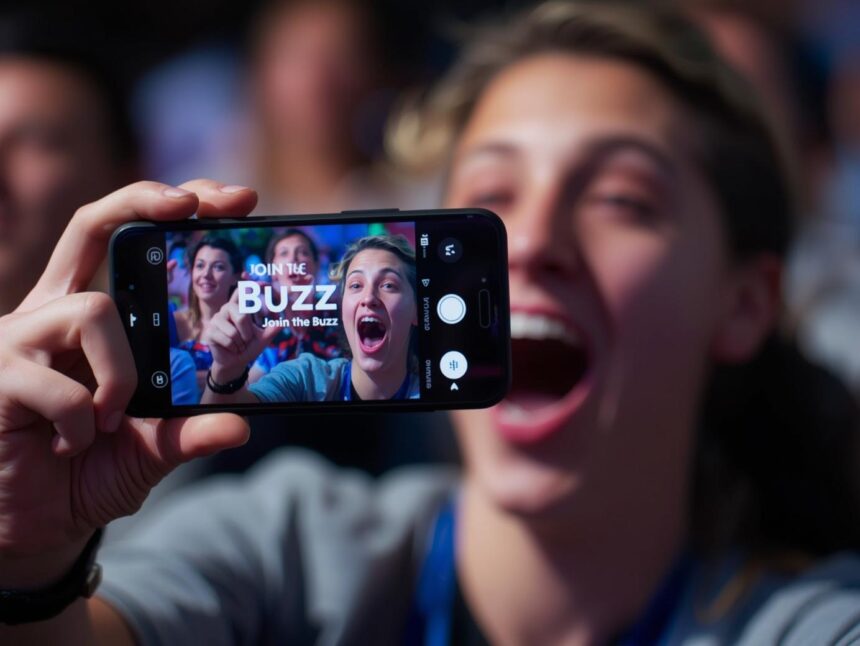
During the event, use real-time posts to engage audiences and feed search algorithms: live-tweet key quotes or stats with event hashtags, share photos and short clips on Instagram and LinkedIn Stories, tag locations and speakers in every post, and stream highlights via YouTube Live or Facebook Live with descriptive titles (“AI Conference Phnom Penh 2025 – Day 1 Highlights”). These actions create fresh content signals that boost your event’s authority in search and social feeds.
2. Encourage User-Generated Content (UGC)
Prompt attendees to share their experiences using your branded hashtag. UGC not only amplifies reach but also generates backlinks and engagement, which indirectly support SEO rankings (HubSpot, 2024). Consider running a “Best Photo” or “Top Tweet” contest to motivate participants to post more content.
3. Publish Same-Day Recaps
Create daily recap blog posts or micro-articles summarizing key insights. Example titles: “Day 1 Recap: Emerging Trends in AI Design” or “Top 10 Quotes from Our Keynote Speakers.” These quick-turnaround posts get indexed fast and rank for real-time search queries during the event.
4. Track and Adapt in Real Time
Use tools like Google Analytics 4, Search Console, and Hootsuite Insights to monitor engagement and traffic sources. If a particular session or speaker goes viral, pivot your promotion—update meta tags and pin that content across platforms to capture surge traffic.
After the Event: Sustaining Long-Term SEO Value
1. Repurpose and Recycle Event Content
Turn your event assets into evergreen content: convert recorded sessions into YouTube videos, optimized with SEO titles and timestamps; transform speaker decks into SlideShare or blog summaries; and transcribe panels into articles optimized for “how-to” queries. This not only extends visibility but also helps build your content authority within the niche.
2. Keep Event Pages Live and Evergreen
Don’t delete your event page after it ends. Instead, update it with “Highlights,” “Photos,” and “Replay” sections; link to future event pre-registration; and add internal links to recap articles and resources. Search Engine Journal (2025) recommends keeping past event pages active because they often attract backlinks and maintain search equity over time.
3. Publish a Post-Event Recap and Media Coverage
Write a detailed wrap-up article summarizing outcomes, key stats, and audience feedback. Pitch this story to industry blogs, local media, or partners for backlinks. Example: “What We Learned from the 2025 AI Conference: 3 Emerging Trends in Automation.”
4. Analyze and Improve
Review keyword rankings, backlinks, impressions, and engagement metrics post-event. Identify top-performing pages and replicate their structure in your next campaign. Platforms like Ahrefs, Google Search Console, and HubSpot Marketing Hub provide visibility into which event assets continue to drive traffic weeks or months later.
5. Build Momentum for the Next Event
Link to your upcoming event from your recap pages (“See what’s next for 2026”). This strengthens your internal linking and maintains continuity. Over time, a well-maintained archive of event content builds a powerful authority cycle—helping every new event rank faster and higher.
Common Pitfalls to Avoid
- Deleting event pages right after the event ends.
- Ignoring mobile optimization, especially for location-based searches.
- Using generic hashtags that dilute your brand identity.
- Failing to update schema markup when details change.
- Neglecting analytics—SEO is only as strong as your measurement.
Final Thoughts
Social SEO for events isn’t just about ranking on Google—it’s about creating digital touchpoints across every phase of the event lifecycle. When done right, SEO builds discovery, and social media drives engagement—together forming an engine for lasting visibility. As Mr. Phalla Plang emphasizes: “Events are living stories—your SEO and social media should let audiences discover, engage, and remember them.” By blending structured SEO with authentic storytelling and social proof, your events can continue to attract, engage, and convert audiences long after the lights go out.
More Read
References
BrightLocal. (2024). Local Consumer Review Survey 2024. https://www.brightlocal.com/research/local-consumer-review-survey/
Google. (2024). Mobile-first indexing best practices. https://developers.google.com/search/mobile-sites/mobile-first-indexing
HubSpot. (2024). State of Marketing Report 2024. https://www.hubspot.com/state-of-marketing
Moz. (2025). SEO ranking factors 2025. https://moz.com/blog/seo-ranking-factors
Search Engine Journal. (2025). SEO best practices for 2025: Content, schema, and engagement. https://www.searchenginejournal.com/seo-best-practices/
Search Engine Land. (2025). SEO priorities in 2025: The shift to intent-based visibility. https://searchengineland.com/seo-priorities-2025