In the fast-paced world of B2B marketing, generating qualified leads and building a strong pipeline is more crucial than ever. While many platforms compete for attention, LinkedIn remains the undisputed heavyweight for professional networking and business growth. For forward-thinking marketers, LinkedIn Events offer a powerful, yet often underutilized, tool to connect with their target audience in a more personal and engaging way.
But a successful LinkedIn event is not just about getting a high number of RSVPs. The real magic lies in what happens after the initial click—transforming attendees from passive participants into valuable Sales Qualified Leads (SQLs). This is where a well-designed LinkedIn Event Funnel comes into play. It’s a strategic, multi-stage process that guides prospects from initial discovery and registration all the way to a meaningful sales conversation.
This article will serve as your definitive guide to building and optimizing a LinkedIn Event Funnel. We will explore each stage of the journey, from attracting the right audience to meticulously nurturing them post-event, all backed by the latest data and actionable best practices.
Understanding the Anatomy of a LinkedIn Event Funnel
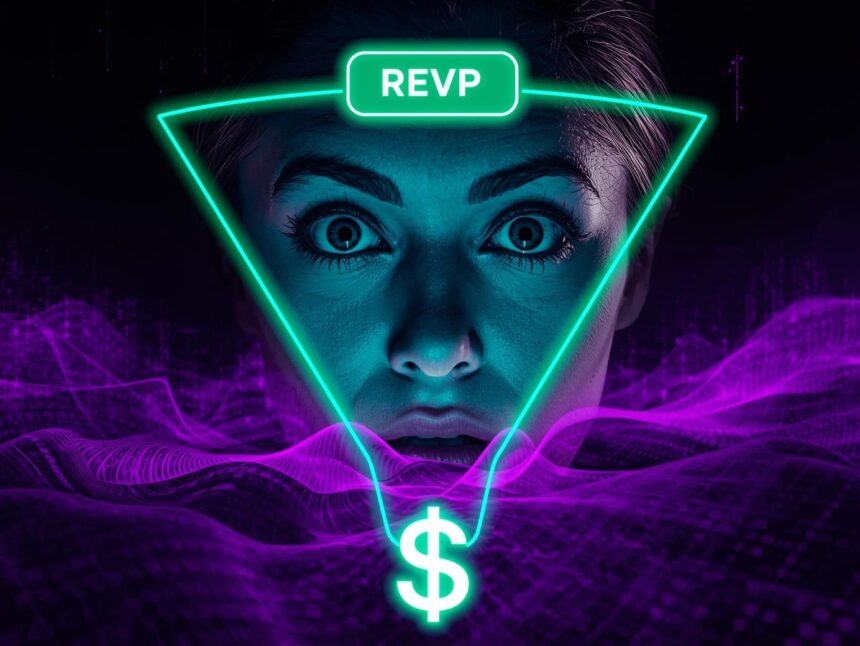
Think of the LinkedIn Event Funnel as a refined version of the traditional marketing and sales funnel, specifically tailored for the LinkedIn ecosystem. It’s designed to capture interest at the top and progressively qualify leads as they move toward the bottom.
- Top of Funnel (TOFU): Awareness & RSVP. This is the initial stage where you aim to maximize event visibility and attract a large, relevant audience. The goal is to generate as many RSVPs as possible.
- Middle of Funnel (MOFU): Engagement & Attendance. Once someone RSVPs, the focus shifts to nurturing their interest and ensuring they show up. This stage is all about keeping the event top-of-mind and building anticipation.
- Bottom of Funnel (BOFU): Conversion & SQLs. The final stage is about converting engaged attendees into valuable leads for your sales team. This is where you identify the most promising prospects and initiate follow-up actions that lead to an SQL.
The power of this funnel lies in its ability to provide a structured path for every prospect. According to data from early 2025, LinkedIn users are 6x more likely to convert than users on other platforms, making the effort to build this funnel highly worthwhile (Hootsuite, 2025).
Stage 1: The Top of the Funnel (TOFU) – RSVP Acceleration
The journey begins with a compelling event. Your success here hinges on two things: creating an event that provides genuine value and promoting it effectively.
Crafting a High-Value Event
- Identify Your Target Audience. Before you do anything else, you must know who you are trying to reach. What are their pain points? What topics are they genuinely interested in? A well-defined Ideal Customer Profile (ICP) is the foundation of a successful event.
- Choose a Compelling Topic. The topic of your event should directly address a key challenge or opportunity for your target audience. Think thought leadership seminars, practical workshops, or panel discussions with industry experts. “The focus should be on educating, not just selling,” says Mr. Phalla Plang, a Digital Marketing Specialist. “When you provide immense value upfront, the trust you build is priceless and leads to a much stronger pipeline down the line.”
- Optimize Your Event Page. Your LinkedIn Event Page is your virtual landing page. Make it count.
- Headline: Use a clear, keyword-rich headline that immediately tells prospects what the event is about.
- Description: Write a compelling description that outlines the agenda, introduces the speakers, and highlights the key takeaways. Incorporate relevant keywords to improve search visibility on the platform (Dreamcast, 2024).
- Visuals: Use a high-quality, eye-catching cover image (4:1 aspect ratio is recommended) that reflects your brand and the event’s topic. A study by LinkedIn found that videos get 5x more engagement, and live videos get 24x more engagement, making them a powerful tool for event promotion (LinkedIn Business, 2024).
Driving RSVPs with Targeted Promotion
Once your event page is live, it’s time to fill the seats. A multi-channel approach is key.
- Organic Promotion. Start with your own network. Share the event on your company’s LinkedIn Page and your personal profile. Encourage speakers and colleagues to do the same. Post in relevant LinkedIn Groups to tap into targeted communities.
- LinkedIn Ads. For maximum reach, LinkedIn Ads are a must.
- Event Ads: This ad format is specifically designed to promote LinkedIn events. They appear directly in the feed and feature a clear “Attend” button.
- Targeting: Leverage LinkedIn’s robust targeting options to reach your ICP. You can target by job title, industry, company size, and even specific skills. As of early 2025, LinkedIn’s audience penetration metric allows for a deeper understanding of how many unique members you are reaching within your target audience, helping you optimize your ad spend (Microsoft Learn, 2025).
- Lead Gen Forms: A game-changer for event promotion. LinkedIn Lead Gen Forms, which can be attached to Event Ads, auto-populate with a user’s profile information, drastically reducing friction and increasing conversion rates by as much as 5x compared to landing pages (Writeful, 2025). This is a critical step in a streamlined funnel.
Stage 2: The Middle of the Funnel (MOFU) – Engagement and Nurturing
The RSVP is just the beginning. The period between registration and the event day is a golden opportunity to build excitement and ensure a strong attendance rate.
Building Anticipation Pre-Event
- Email Automation. Set up a series of automated emails for all registrants. This sequence should include a confirmation email, a calendar invite, and a series of “drip” emails leading up to the event. These emails can share speaker bios, sneak peeks of the content, or links to related blog posts.
- LinkedIn Content Blitz. Leverage the event page and your company page to create a content marketing campaign. Post short videos of speakers teasing their talks, run polls to gauge audience interest, and share relevant articles. This continuous stream of content keeps the event top-of-mind and provides additional value.
- Direct Messaging. For a more personal touch, use LinkedIn’s direct messaging feature. A simple, customized message to attendees thanking them for registering and offering a chance to ask a pre-event question can significantly increase engagement.
Maximizing Engagement on Event Day
A well-attended event with active participation is a strong indicator of a healthy funnel.
- LinkedIn Live: If you’re hosting a live event, use LinkedIn Live to stream it directly. The platform’s live video feature has been shown to generate significantly higher engagement than pre-recorded videos.
- Interactive Elements: Incorporate polls, live Q&A sessions, and a dedicated chat for attendees to interact with speakers and each other. This not only makes the event more valuable but also provides invaluable data on attendee interests and questions.
Stage 3: The Bottom of the Funnel (BOFU) – From Attendee to SQL
This is the most critical stage. The goal is to turn event attendees into qualified leads who are ready for a sales conversation.
Post-Event Follow-Up and Qualification
- Segment Your Audience. Not all attendees are created equal. Use your event data to segment them based on their level of engagement.
- High-Engagers: These are the attendees who asked questions, participated in polls, and stayed for the entire event. They are your most promising leads.
- Mid-Engagers: Attendees who showed up but had minimal interaction. They are still warm leads, but require more nurturing.
- No-Shows: Don’t write them off. They were interested enough to register, but something got in the way.
- Personalized Follow-up. This is where you earn your keep.
- High-Engagers: Send a personalized LinkedIn message or email within 24 hours. Thank them for attending, reference their specific question or comment, and offer to schedule a brief call to discuss their business needs further. This is your direct path to an SQL.
- Mid-Engagers: Send a thank-you email with a link to the event recording. Offer to answer any questions they may have. This keeps the conversation going and provides an opportunity for them to engage on their own time.
- No-Shows: Send a message expressing regret that they couldn’t make it and provide a link to the recording. This simple act of goodwill keeps your brand top-of-mind and might lead to future engagement.
Automate with Technology
To handle the post-event follow-up at scale, integrating your event platform with your CRM is non-negotiable. Tools like Zapier or LeadsBridge can automatically sync attendee data from your LinkedIn event into your CRM (e.g., Salesforce, HubSpot), allowing your sales team to quickly and efficiently follow up.
Measuring Success and ROI
To justify your investment, you must be able to prove the ROI of your LinkedIn Event Funnel. It’s more than just counting RSVPs.
- Attendance Rate: This is a key metric for MOFU success. A high attendance rate (50% or more is a good target) indicates your promotion and nurturing efforts were effective.
- Cost Per Lead (CPL): Calculate the total cost of your event (ad spend, speaker fees, team time) and divide it by the number of qualified leads generated. LinkedIn Lead Gen Forms can reduce CPL by 40% (Writeful, 2025).
- Pipeline and Revenue Impact: The ultimate measure of success. Connect your event to your sales pipeline. Track how many attendees became marketing qualified leads (MQLs), then sales accepted leads (SALs), and finally, sales qualified leads (SQLs) that lead to closed-won deals. This level of attribution provides an irrefutable case for the value of your LinkedIn event strategy (Swoogo, 2024).
A case study by Sprinklr and LinkedIn, for instance, showed a single LinkedIn carousel post driving a 5.24% engagement rate, which is 3.7x higher than the platform benchmark for B2B campaigns, and ultimately leading to over 1,100 qualified leads (TopRank Marketing, 2025). This showcases the power of a well-executed content and event strategy.
Conclusion
In a digital landscape saturated with content, the LinkedIn Event Funnel offers a powerful way for B2B marketers to cut through the noise and generate high-quality, engaged leads. It’s a strategic journey that begins with a simple RSVP and, when executed with precision, can lead to a robust pipeline of SQLs and a significant boost in revenue. By focusing on creating value, nurturing every stage of the funnel, and meticulously tracking your results, you can turn your LinkedIn events from one-off promotional activities into a consistent, scalable engine for business growth.
More Read
References
- Dreamcast. (2024). The complete LinkedIn event marketing guide for 2024. Retrieved from https://www.dreamcast.in/blog/linkedin-event-marketing/
- Hootsuite. (2025). 51 LinkedIn statistics to shape your social strategy. Retrieved from https://blog.hootsuite.com/linkedin-statistics/
- LinkedIn Business. (2024). LinkedIn pages best practices. Retrieved from https://business.linkedin.com/advertise/linkedin-pages/best-practices
- Microsoft Learn. (2025). Recent marketing API changes – LinkedIn. Retrieved from https://learn.microsoft.com/en-us/linkedin/marketing/integrations/recent-changes?view=li-lms-2025-09
- Swoogo. (2024). Guide to event ROI attribution & measuring. Retrieved from https://swoogo.events/blog/hit-your-event-roi-faster/
- TopRank Marketing. (2025). Case study: How Sprinklr and LinkedIn created full funnel impact with best answer marketing. Retrieved from https://www.toprankmarketing.com/blog/bam-case-study-sprinklr-linkedin/
- Writeful. (2025). LinkedIn stats: A handy reference for 2025. Retrieved from https://writefulcopy.com/blog/linkedin-stats-handy-reference-b2b-marketers