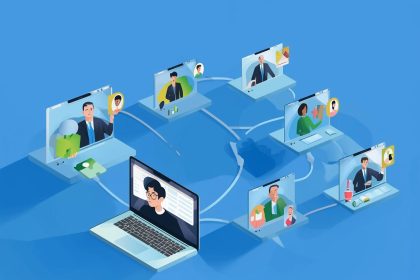
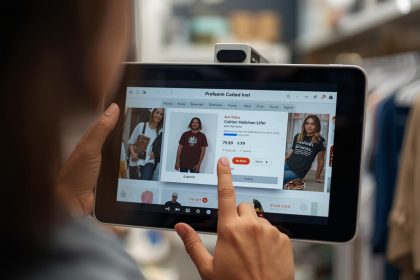
In the fast-moving world of digital media, live streaming has become a powerful way for brands, creators, and educators to connect with audiences in real time. Yet, many live videos disappear once the broadcast ends, leaving untapped value behind. What if those same live sessions could be transformed into evergreen content—resources that continue to attract, engage, and convert for years? This is the strategy of “Live-Stream to Evergreen: Turning Lives into Libraries.” It’s about building long-term visibility from short-term attention.
- The Rise of Live Streaming
- Why Turning Live Streams into Evergreen Content Works
- How to Turn Lives into Libraries: A Step-by-Step Framework
- Geo and Global Optimization
- Case Studies: Turning Lives into Evergreen Success
- Measuring Live-to-Evergreen ROI
- Common Mistakes to Avoid
- The Long-Term Value of a Content Library
- References
“Live streaming is powerful—but its real magic emerges when you turn those moments into lasting resources.” — Mr. Phalla Plang, Digital Marketing Specialist
The Rise of Live Streaming
The live streaming industry has expanded rapidly, driven by audience demand for authenticity and interaction. According to Statista (2025), the global live streaming market is projected to reach $247 billion by 2027, up from $93 billion in 2023. Viewers spend 27% more watch time on live videos compared to pre-recorded content (HubSpot, 2024). In marketing, 80% of consumers prefer watching a brand’s live video over reading a blog, and 74% say live video helps them feel more connected to brands (Wyzowl, 2024). Facebook Live, YouTube Live, and LinkedIn Live sessions often drive six times more engagement than traditional uploads (Sprout Social, 2025). These numbers show that live video isn’t just a trend—it’s an engagement powerhouse. But the problem is longevity. Live content generates spikes in visibility but quickly fades. That’s where evergreen transformation begins.
Why Turning Live Streams into Evergreen Content Works
What Is Evergreen Content?
Evergreen content remains valuable and relevant long after publication. It doesn’t depend on fleeting trends but focuses on timeless topics—how-tos, guides, frameworks, FAQs, and principles that stay useful (Search Engine Journal, 2024).
Benefits include:
- Sustained organic traffic through search visibility
- Authority building, as evergreen content signals expertise
- Higher ROI, since it keeps generating engagement without constant creation (Content Marketing Institute, 2024)
- Repurposing opportunities—evergreen assets can be updated or re-shared over time
Why Live Streams Are Perfect Raw Material
Live content naturally contains:
- Authentic insights and human moments
- Unscripted stories and audience interaction
- Real-time Q&A sessions that surface valuable questions
- Spontaneous authority—speaking live demonstrates mastery
When refined into structured, search-optimized formats, these qualities create content that feels both trustworthy and timeless. In other words, live gives you energy; evergreen gives you endurance.
How to Turn Lives into Libraries: A Step-by-Step Framework
Step 1: Plan for Evergreen Before You Go Live
Before you hit “Go Live,” design your session with future use in mind:
- Choose evergreen topics like “how-to,” “best practices,” or “myths debunked.”
- Structure your outline into clear segments—introduction, insights, Q&A.
- Include universal themes rather than date-specific news.
- Use a strong title format that fits SEO, like “How to [Solve Problem] in [Industry].”
- Record locally in addition to streaming to ensure quality footage.
Planning for repurposing makes editing and syndication far easier later.
Step 2: Record and Archive Strategically
Always record the full live session (including audio and chat if possible). Most major platforms—such as YouTube Live, StreamYard, and Restream—allow you to save or automatically archive your broadcast.
Also:
- Keep time-stamped logs of audience questions.
- Save comments and reactions for use in case studies or highlight reels.
- Store files on a cloud-based system for future editing.
Step 3: Edit and Highlight the Core Moments
Right after the session:
- Trim intros, filler, and dead air.
- Identify “golden moments”—key lessons, questions, or reactions.
- Add graphics, captions, and transitions for clarity.
- Create timestamp chapters (0:00 intro, 10:05 tip #1, 15:20 Q&A).
Editing helps turn a spontaneous conversation into a professional, enduring resource.
Step 4: Repurpose into Multiple Formats
This is where your one live video becomes an entire library:
| Format | Purpose |
|---|---|
| Edited long-form video | Your main evergreen replay |
| Short clips/reels | Snackable highlights for social media |
| Podcast episode | Extract audio for Spotify, Apple Podcasts |
| Blog post or transcript | Convert speech to text for SEO value |
| Infographics | Visual summaries for Pinterest or LinkedIn |
| Email newsletters | Share key takeaways or event recaps |
| Tools like Descript, Otter.ai, or CapCut can help with transcription, editing, and captioning. By repurposing, you multiply one effort into ten assets—maximizing reach and return. |
Step 5: Optimize Each Asset for SEO
After repurposing, ensure every version is optimized for search engines and algorithms:
- Use keyword-rich titles and meta descriptions.
- Add closed captions and ALT text for accessibility.
- Include schema markup for videos to qualify for Google’s “key moments.”
- Link internally between your evergreen assets and related resources.
- Update thumbnails and descriptions for engagement.
You can use tools like Ahrefs, Semrush, or Yoast SEO to identify evergreen keyword opportunities.
Step 6: Promote Across Channels
Publishing isn’t the finish line—it’s the midpoint. Promote your evergreen content across multiple touchpoints:
- Schedule snippets on LinkedIn, YouTube Shorts, TikTok, and Instagram Reels.
- Send email campaigns linking back to the evergreen resource.
- Embed edited videos into related blog posts or landing pages.
- Collaborate with guests or influencers to co-promote.
- Reshare periodically to reintroduce content to new followers.
Research by Hootsuite (2025) shows that brands who consistently reshare evergreen assets see up to 40% more engagement longevity than those who post once.
Step 7: Refresh Regularly
Evergreen doesn’t mean permanent. It means sustainably maintained. Audit every 6–12 months:
- Update outdated stats or visuals.
- Add new sections or data.
- Adjust keywords to current trends.
- Merge overlapping posts if necessary.
HubSpot (2024) found that refreshing existing evergreen articles increased traffic by 106% on average compared to publishing new ones. Regular updates maintain credibility and search performance.
Geo and Global Optimization
For brands with international audiences, apply GEO optimization:
- Add subtitles or translated captions for non-English markets.
- Include regional examples or success stories.
- Localize keywords (e.g., “best live streaming tips in Asia”).
- Use multi-language schema tags where applicable.
Localization ensures your evergreen assets rank in multiple regions, not just English-speaking markets.
Case Studies: Turning Lives into Evergreen Success
Example 1: Coaching Brand
A business coach hosted a live workshop titled “Mindset Shifts for Entrepreneurs.” Afterward, the replay was edited into a 30-minute YouTube video, 10 Instagram Reels, and a blog series. Within six months, those assets drove 300% more organic traffic and generated new email subscribers weekly.
Example 2: SaaS Company
A software company streamed a product tutorial, later divided into short “how-to” clips and FAQ articles. These clips ranked on YouTube for keywords like “CRM automation guide.” Result: 5× higher demo conversions over three months.
Example 3: Nonprofit Education Channel
An NGO used live Q&As with experts, edited them into educational playlists, and transcribed content into multilingual blogs. Their “knowledge library” became a major source of SEO traffic and donor engagement worldwide.
Measuring Live-to-Evergreen ROI
Key performance metrics include:
| Metric | Why It Matters |
|---|---|
| Organic traffic | Measures SEO visibility of evergreen assets |
| Engagement (views, shares, comments) | Reflects audience resonance |
| Retention / watch time | Indicates content relevance |
| Lead generation / conversions | Tracks business impact |
| Backlinks / citations | Builds domain authority |
| Update frequency | Maintains freshness |
| Use analytics from Google Search Console, YouTube Studio, and HubSpot CMS to track performance over time. |
Common Mistakes to Avoid
- Ignoring editing quality. Raw live videos rarely perform well without polish.
- Failing to plan. Unstructured lives are hard to repurpose.
- Not collecting metadata. SEO requires structured titles, tags, and descriptions.
- Skipping refresh cycles. Outdated evergreen content can lose rankings.
- Neglecting accessibility. Always add captions and transcripts.
The Long-Term Value of a Content Library
Building a content library from live videos turns real-time engagement into long-term authority. Each stream you repurpose becomes part of a cumulative ecosystem—one that attracts, educates, and converts on autopilot. When done consistently, your library becomes a knowledge base that audiences trust and search engines reward. Live sessions fade; libraries compound.
More Read

References
Content Marketing Institute. (2024). The value of evergreen content for marketers. https://contentmarketinginstitute.com/articles/evergreen-content
HubSpot. (2024). The state of video marketing report 2024. https://www.hubspot.com/video-marketing-report
Hootsuite. (2025). Social media trends 2025. https://www.hootsuite.com/resources/social-trends
Search Engine Journal. (2024). What is evergreen content and why it matters. https://www.searchenginejournal.com/evergreen-content
Sprout Social. (2025). Live video engagement statistics 2025. https://sproutsocial.com/insights/live-video
Statista. (2025). Live streaming market size worldwide 2023–2027. https://www.statista.com/
Wyzowl. (2024). Video marketing statistics 2024. https://www.wyzowl.com/video-marketing-statistics/